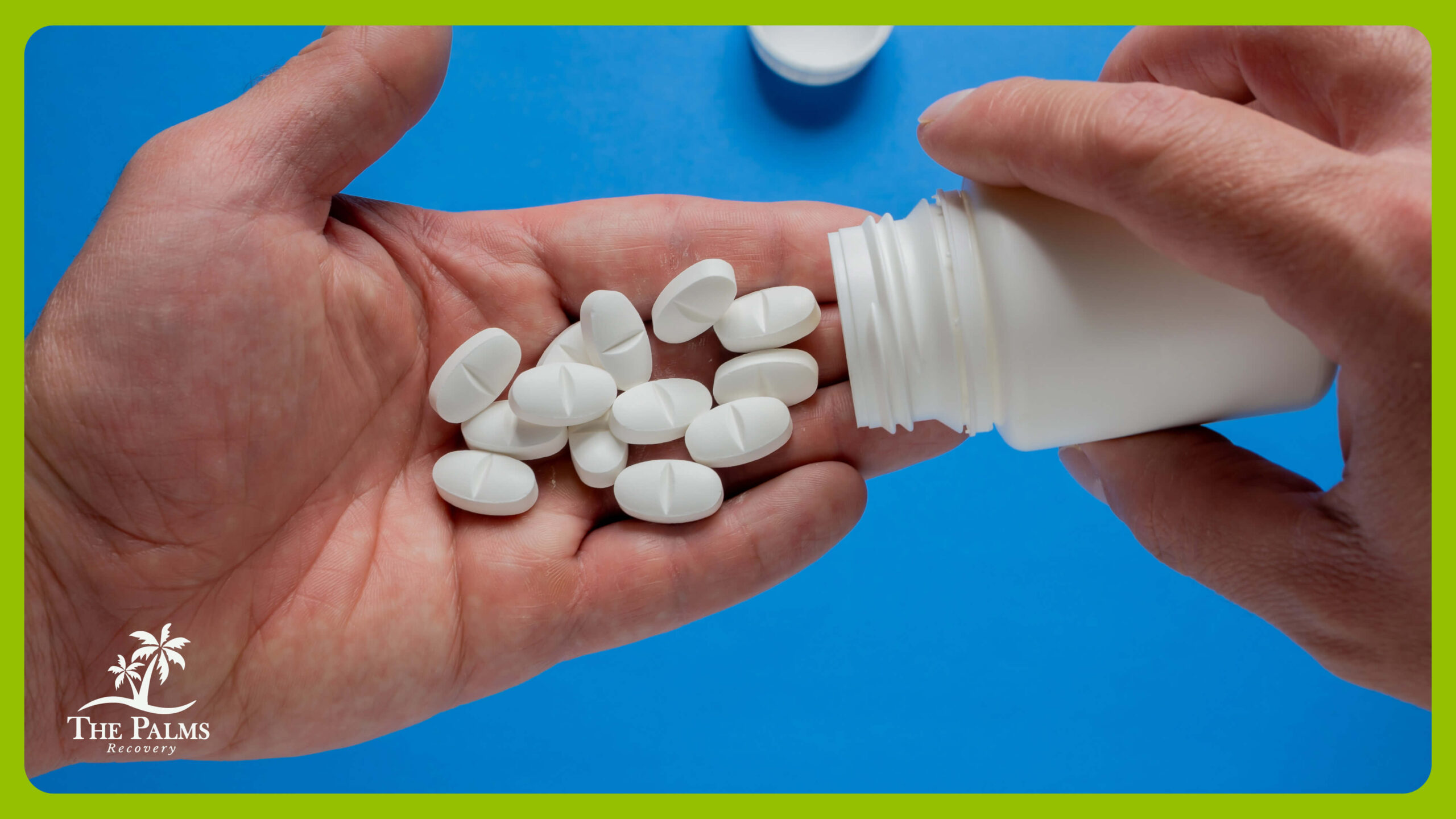

Prescription medications are designed to treat real medical conditions, which is why many people assume they’re safe by default. That assumption isn’t wrong… but it’s incomplete.
The risk usually isn’t the drug on its own. It’s what happens when the body adjusts to it, month after month, in ways that aren’t always visible until stopping becomes harder than continuing.
And it can start with a legitimate prescription, something a doctor recommended, something that worked, then shift gradually into dependence without a clear turning point.
One day, you notice you’re thinking about the next dose before the current one wears off.
Understanding how this happens is the first step toward recognizing when support might be needed.
Can Prescription Drugs Become Addictive?
Yes, some prescription drugs can become addictive, even when taken as directed.
Medications that affect pain, anxiety, or focus can change how the brain processes reward and stress. Over time, this can lead to physical dependence, increased tolerance, and difficulty stopping without support.
Not everyone who takes these medications develops addiction, but the risk increases with duration, dosage, and underlying factors.
What Is Drug Addiction to Prescription Drugs?
Drug addiction to prescription drugs refers to a pattern where medication use becomes difficult to control despite negative consequences.
It typically involves:
- Taking higher doses than prescribed
- Using medication for reasons beyond the original condition
- Feeling unable to function normally without it
- Continuing use despite physical, emotional, or behavioral impact
This type of addiction can develop gradually, often without immediate warning signs.
Which Prescription Drugs Have the Highest Risk of Addiction?
Some medications carry higher risk because of how directly they alter brain chemistry.
Opioid Painkillers
Often prescribed for pain management, opioids can create a strong sense of relief and, in some cases, euphoria. Over time, the body may require higher doses to achieve the same effect.
Approximately 105,000 people died from drug overdose in 2023, and nearly 80,000 of those deaths involved opioids, according to data from the Centers for Disease Control and Prevention (CDC).
Benzodiazepines
Used for anxiety or sleep, these medications can quickly lead to dependence when used consistently. Stopping abruptly can also produce withdrawal symptoms.
In 2021, nearly 14% of opioid overdose deaths in the United States also involved benzodiazepines, according to the National Institute on Drug Abuse.
Stimulants
Prescribed for attention-related conditions, stimulants can become habit-forming when used outside medical guidance or in higher doses.
Among U.S. adults in 2015–2016, about 6.6% used prescription stimulants annually. 4.5% without misuse, 1.9% misusing without a use disorder, and 0.2% with a diagnosed use disorder, according to national survey data.
Why Do Prescription Drugs Become Addictive?
The short answer: the brain adapts.
These medications reduce discomfort quickly, and repeated relief reinforces the behavior of taking them. Tolerance builds, meaning the original dose stops working as well. The gap between what the medication used to do and what it does now has to be closed somehow… usually with more.
At some point, use shifts from deliberate to automatic. The person isn’t choosing the drug so much as responding to the absence of it.
What Makes Prescription Drug Addiction Hard to Recognize?
Unlike other substances, prescription medications come with medical approval. This can make it harder to identify when use has crossed a line.
Several factors contribute to this:
- The medication was originally prescribed
- The effects may feel controlled or functional
- The changes happen gradually
- There may be no immediate external consequences
Because of this, many people delay seeking support until the pattern is more established.
When to Seek Help for Prescription Drug Addiction
Support becomes important when:
- Attempts to stop or reduce use have not worked
- Daily functioning begins to depend on the medication
- Physical or emotional side effects increase
- Use continues despite clear negative impact
Early intervention tends to make the process more manageable and reduces the risk of escalation.
What Treatment for Prescription Drug Addiction Looks Like
Treatment focuses on both physical and behavioral aspects. Depending on the situation, this may include:
- Structured outpatient programs that provide consistency while you maintain daily responsibilities
- Individual and group therapy to address personal patterns and build accountability
- Gradual medical support to reduce use safely when needed
- Relapse prevention strategies that focus on real-life triggers and responses
- Ongoing accountability and routine that help stabilize progress over time
For those exploring treatment options locally, access to structured Palm Springs recovery care can make the process more consistent and manageable.
You can learn more about how these approaches are applied across different levels of care here.
What to Do Next if You’re Concerned
Uncertainty is often the first signal that something needs attention.
If you are questioning whether medication use has shifted beyond its original purpose, that question itself is worth exploring.
An early conversation with a professional clarifies what’s actually happening and what, if anything, needs to change. That clarity is harder to get the longer the pattern continues, and easier to act on the sooner it’s named.