


Ongoing Therapy
Relapse Prevention
A Recovery Community
Flexible Scheduling

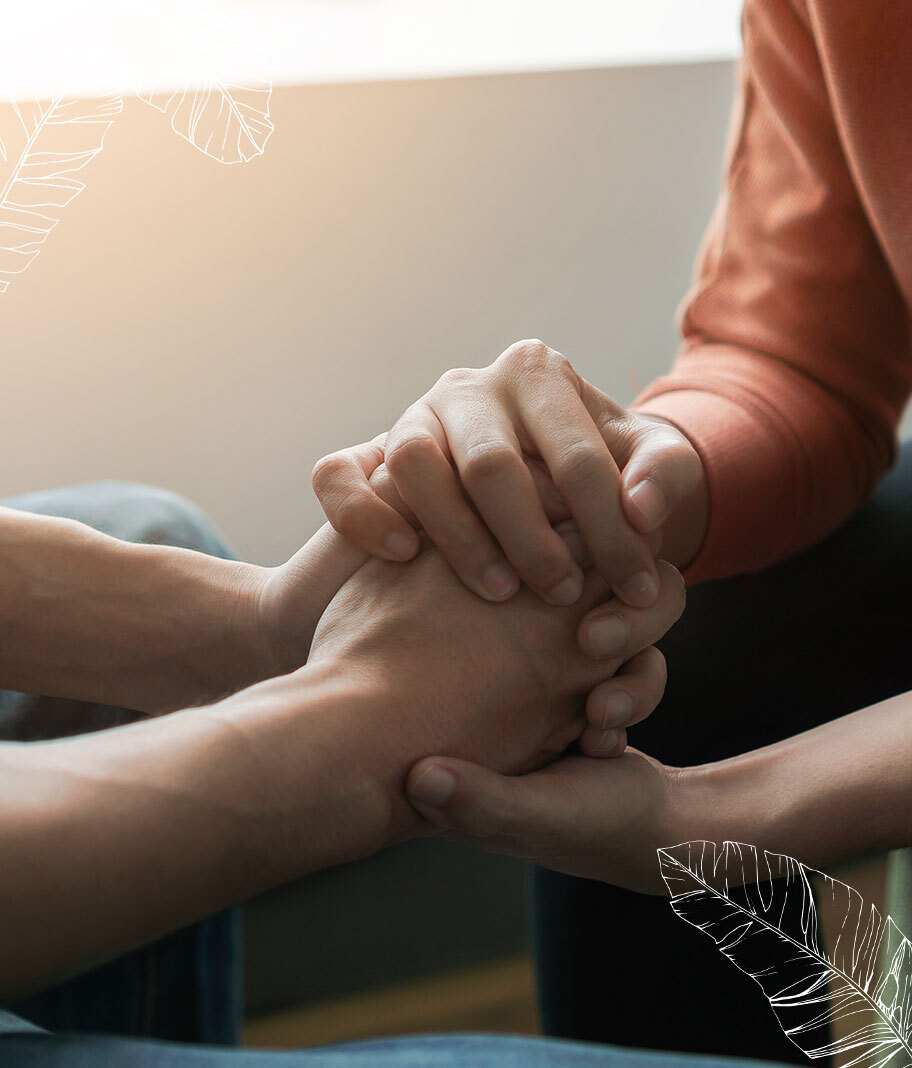
Recovery does not mean the anxiety, depression, or stress underneath the addiction simply disappears. Those things keep showing up in everyday life, and learning to handle them without a substance is a big part of what makes sobriety last. That is why our outpatient program keeps caring for the whole man, not just checking that you are staying clean.
Continued support for your mental health alongside your recovery gives you a place to keep working on the things that used to drive the using. It helps you build a life that is genuinely worth staying sober for, one where you can handle the hard days, enjoy the good ones, and keep growing. That is the real goal of outpatient care. Not just staying stopped, but becoming a man who is well enough to stay that way for good.
The primary difference is the time commitment and intensity. An Intensive Outpatient Program (IOP) requires more hours per week (e.g., 3-5 days a week for 3 hours a day) and is more structured. A standard Outpatient Program (OP) involves fewer hours (e.g., 1-2 times per week) and is designed as a final step to maintain long-term recovery.
The duration is entirely based on your individual needs. An IOP typically lasts anywhere from 8 to 12 weeks. A standard OP can be a much longer-term form of “aftercare,” with clients attending for six months, a year, or as long as they feel they need the support.
Yes. Because outpatient programs are a proven, effective form of clinical treatment for addiction, they are covered by most major health insurance plans. If you would like more information on insurance coverage, our team can provide a free, confidential verification of your benefits to explain your coverage in detail. Visit our Insurance Coverage Page
Absolutely. In fact, that is one of the primary benefits of outpatient treatment. Our programs are typically scheduled during the day or in the evenings, offering the flexibility to build your recovery foundation while maintaining your professional and personal responsibilities.
Recovery is a lifelong journey. After completing your formal program, we work with you to create a comprehensive aftercare plan. This includes connecting you with our robust alumni network, local 12-step meetings, and other community resources to ensure you have ongoing support for years to come.