

Blue Cross Blue Shield covers addiction treatment at accredited rehab facilities, but navigating that coverage in Palm Springs, Florida takes more than a quick Google search. This guide breaks down exactly how BCBS benefits apply to residential rehab, what out-of-network coverage means for your wallet, and the specific steps to verify your benefits before making any commitments.
What blue cross blue shield actually covers for rehab
According to the Kaiser Family Foundation’s 2023 analysis of commercial insurance claims, over 91% of large employer-sponsored health plans cover substance use disorder treatment. BCBS plans are no exception. Under the Affordable Care Act, behavioral health and substance use disorder treatment are classified as essential health benefits, meaning BCBS is legally required to include coverage for detox, residential treatment, partial hospitalization programs (PHP), and intensive outpatient programs (IOP).
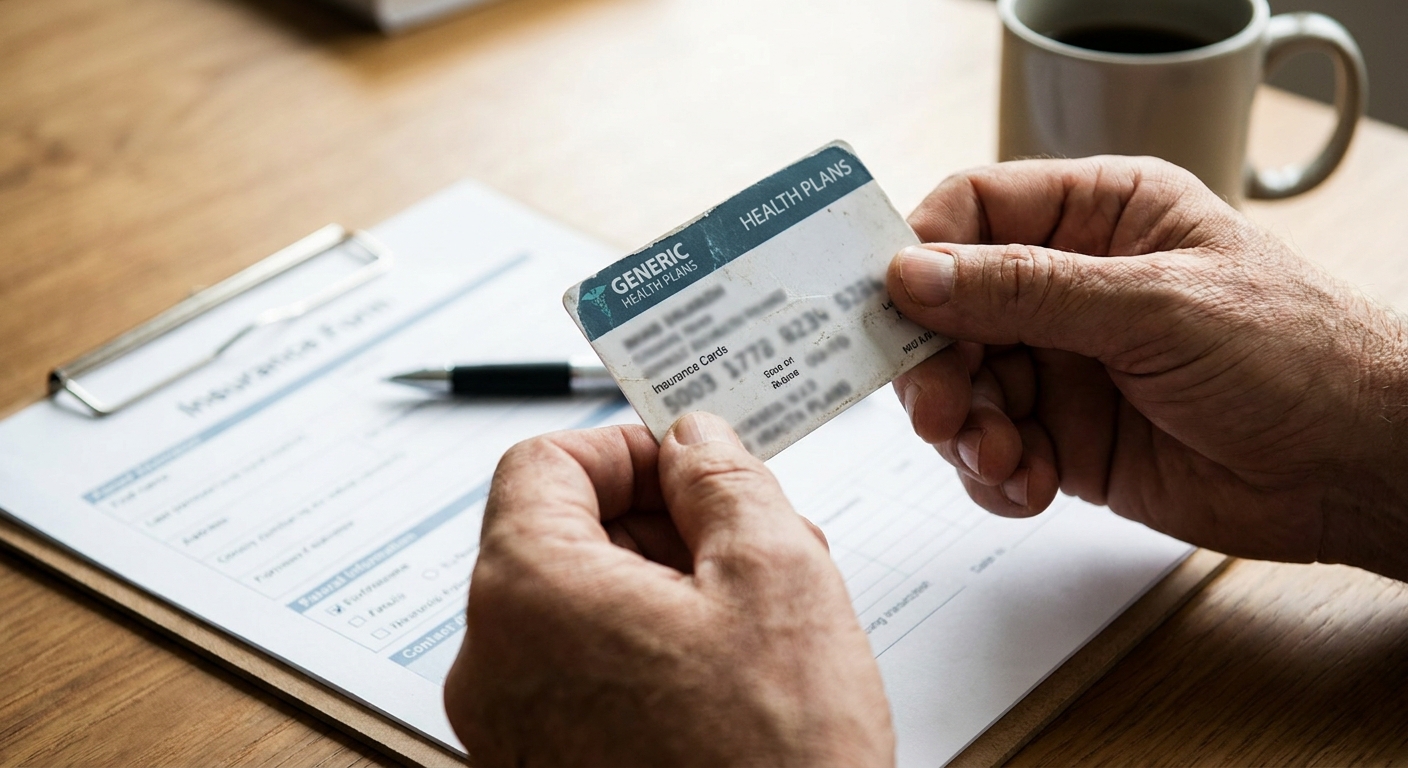
That said, what your plan covers specifically depends heavily on two factors: your plan type and your facility’s network status. Before you call any facility, the single most useful action is to pull your insurance card and confirm whether your plan is a PPO or an HMO. That one detail determines whether out-of-network Palm Springs rehab is an option at all.
PPO vs HMO: why it matters for out-of-network rehab
A PPO (Preferred Provider Organization) plan gives you the flexibility to receive care from providers outside the insurance network, typically at a higher cost-sharing percentage, but with coverage intact. An HMO (Health Maintenance Organization) plan generally restricts coverage to in-network providers only, which means care at an out-of-network facility is usually not reimbursed at all unless it qualifies as an emergency.
Premium residential programs in Palm Springs, including The Palms Recovery, bill commercial insurance carriers on an out-of-network basis. If your BCBS card says PPO, out-of-network Palm Springs rehab is on the table. If it says HMO, you face a much steeper climb. According to a 2022 RAND Corporation report on out-of-network treatment access, PPO holders are significantly more likely to access residential behavioral health services outside their immediate geographic area. Check your card now, before anything else.
The mental health parity and addiction equity act: your legal leverage
The Mental Health Parity and Addiction Equity Act (MHPAEA), passed in 2008 and strengthened by ACA provisions, requires that BCBS apply no more restrictive treatment limitations to mental health and substance use disorder benefits than it does to comparable medical or surgical benefits. The Department of Labor’s 2023 enforcement report found that parity violations remain among the most common behavioral health insurance complaints filed annually, which means knowing this law exists is genuinely useful.
In plain terms: if BCBS covers 30 days of inpatient care for a cardiac condition, it cannot arbitrarily cap residential addiction treatment at 7 days without equivalent medical justification. If you receive a denial that feels arbitrary, MHPAEA is your legal foundation for an appeal. Ask any facility’s admissions team to walk you through parity-compliant benefit language specific to your plan before your first day of treatment.
How in-network vs out-of-network benefits work in practice
The Kaiser Family Foundation’s 2024 Employer Health Benefits Survey found that the average out-of-network cost-sharing rate for PPO plans runs 20 to 40 percentage points higher than in-network rates for comparable services. That gap sounds alarming, but it does not mean out-of-network care is uncovered. It means the financial terms are different, and understanding those terms precisely is what separates a manageable expense from a financial shock.
Your single most important number before choosing any facility is your out-of-pocket maximum. Under ACA rules, out-of-pocket maximums for 2024 are capped at $9,450 for individuals. Once you hit that ceiling, BCBS pays 100% of covered charges. Knowing how much of that maximum you have already met this plan year tells you your worst-case financial exposure before treatment starts.
What “out-of-network” really means for your wallet
Out-of-network billing involves three figures, and understanding all three matters. The facility submits a charge (the billed amount). BCBS then applies its “allowed amount,” which is what it considers a reasonable rate for that service. BCBS pays its share of the allowed amount after your deductible. You pay the difference between the allowed amount and what BCBS covers, plus any gap between the allowed amount and the billed amount if the facility bills above it.
One tool that can significantly reduce out-of-pocket exposure is a single-case agreement (SCA). This is a negotiated arrangement where the facility and BCBS agree on payment terms for your specific case, effectively giving out-of-network care closer to in-network financial treatment. Not every facility pursues these, and not every insurer grants them, but facilities with experienced billing teams routinely seek them. Ask directly whether the admissions team pursues SCAs with BCBS plans on behalf of incoming clients.
Pre-authorization: what it is and why it can’t be skipped
A 2023 American Medical Association survey found that 94% of physicians reported that prior authorization requirements delayed access to necessary care, and behavioral health claims face some of the highest prior auth denial rates of any specialty. Pre-authorization is BCBS confirming that your proposed level of care is medically necessary before treatment begins, not after. Skipping it is the most common reason residential rehab claims get denied after the fact.
The practical consequence: if a facility admits you without obtaining pre-authorization and BCBS later determines it was required, the entire claim may be denied regardless of clinical appropriateness. Confirm explicitly that the admissions team handles pre-authorization submission before your first day. This is not a task you should be managing yourself.
Levels of care covered by blue cross blue shield
The American Society of Addiction Medicine (ASAM) developed a six-level continuum of care framework that insurers, including BCBS, use to determine medical necessity for each level of treatment. SAMHSA’s 2023 National Survey on Drug Use and Health confirmed that matching treatment intensity to clinical need is one of the strongest predictors of sustained recovery. BCBS applies ASAM criteria when evaluating whether a requested level of care is appropriate, which is why the clinical documentation your treatment team produces directly affects what gets approved and for how long.
The four levels most commonly covered under BCBS PPO plans are medical detox, residential treatment, partial hospitalization, and intensive outpatient. These are not interchangeable options you select based on preference. They represent a clinical continuum, and your starting point is determined by the severity of your dependence, any co-occurring mental health conditions, and the risk level of withdrawal.
Medical detox coverage under BCBS
Medical detox addresses the physiological process of clearing substances from the body under clinical supervision. The National Institute on Alcohol Abuse and Alcoholism estimates that up to 50% of people with alcohol use disorder experience withdrawal symptoms when they stop drinking, and roughly 3 to 5% develop severe complications including seizures. Opioid withdrawal, while rarely fatal on its own, carries significant relapse risk if unmanaged. These clinical realities are why BCBS generally covers medically supervised detox when a physician documents medical necessity.
If you or someone you’re supporting is physically dependent on alcohol, benzodiazepines, or opioids, document symptoms clearly before the intake call. Recent drinking or drug use history, any prior withdrawal complications, and current physical symptoms all strengthen the medical necessity case. The more specific the clinical picture, the stronger the authorization.
Residential treatment coverage
Residential treatment (also called RTC, or residential treatment center level of care) provides 24-hour structured care in a non-hospital setting. According to SAMHSA’s 2022 treatment data, the average residential stay in the United States runs 28 to 45 days, though BCBS does not set a fixed covered length of stay in advance. Instead, it conducts concurrent reviews, typically every 3 to 7 days during active residential treatment, where the clinical team must demonstrate continued medical necessity for each approved period.
This means length of stay is a living clinical determination, not a fixed authorization. Ask any facility how their clinical team handles concurrent review with BCBS and what their average covered residential stay looks like for BCBS clients specifically. A facility with strong concurrent review practices and experienced utilization review staff will keep you in treatment longer than one that submits minimal documentation.
PHP and IOP: step-down care coverage
Partial hospitalization programs typically run 5 to 6 hours per day, 5 days per week, and represent the bridge between residential care and normal daily life. Intensive outpatient programs run approximately 3 hours per day, 3 or more days per week, and allow clients to live in a sober living or home environment while continuing structured treatment. A 2021 SAMHSA analysis of step-down care pathways found that clients who completed a full continuum, from residential to PHP to IOP, had meaningfully better 12-month outcomes than those who discharged from residential directly to no treatment.
BCBS PPO plans commonly cover both PHP and IOP when medical necessity is documented and pre-authorization is obtained. The continuity question matters here: ask whether the Palm Springs facility offers PHP and IOP on-site or refers clients to separate providers. Staying within one clinical environment through the full continuum supports better outcomes and simplifies the insurance process considerably.
Why palm springs, florida is a strategic choice for BCBS policyholders
Florida ranks among the top five states in the country for the number of accredited addiction treatment facilities, according to SAMHSA’s 2023 National Directory of Drug and Alcohol Abuse Treatment Facilities. Palm Beach County specifically has developed a concentration of residential programs that attract clients from across the country, and for good reason. The clinical infrastructure, the weather, and the geographic separation from familiar triggers all contribute to outcomes that are difficult to replicate in a home-city program.
The insurance dimension is equally practical. Your BCBS PPO plan travels with you. Out-of-network coverage does not stop at your home state line. A policyholder from Connecticut, Ohio, or Texas with a BCBS PPO has the same out-of-network benefit access in Palm Springs, Florida as they do at home. For many people, that makes a destination rehab in Palm Beach County a realistic financial option, not a luxury. For those comparing options across different carriers, the way PPO coverage applies across South Florida follows the same fundamental logic regardless of the specific insurer.
The clinical advantage of a dedicated male-only program
A 2016 study published in the Journal of Substance Abuse Treatment analyzed gender-specific versus mixed-gender treatment programs and found that men in gender-specific programs reported higher levels of therapeutic engagement and lower rates of early discharge. NIDA’s research on gender differences in addiction confirms that men and women present differently, with men more likely to exhibit externalizing behaviors and less likely to voluntarily discuss emotional co-occurring factors in mixed settings.
Gender-responsive programming is not a marketing term. It changes what happens in group therapy, how trauma is addressed, and what relapse prevention looks like for men specifically. When evaluating any facility, ask directly whether the clinical programming is designed for men or co-ed. The specificity of the answer tells you a great deal about how seriously gender-responsive care is taken.
Co-occurring mental health conditions and dual diagnosis coverage
SAMHSA’s 2022 National Survey on Drug Use and Health found that approximately 21.5 million adults in the United States have a co-occurring mental health and substance use disorder, and men are less likely to seek treatment for the mental health component than for the addiction itself. Depression, anxiety, PTSD, and trauma-related conditions are the most common co-occurring diagnoses among men entering residential treatment.
BCBS PPO plans cover dual diagnosis treatment when it is properly documented at intake and throughout the clinical record. A facility that addresses addiction in isolation, without licensed mental health clinicians on staff, is treating the symptom rather than the system. The co-occurring condition is often the primary driver of relapse. Before committing to any program, confirm that the clinical team includes psychiatrists, licensed clinical social workers, or licensed mental health counselors, not just addiction counselors.
How to verify your BCBS benefits for palm springs rehab
A 2020 survey by the National Alliance on Mental Illness found that more than half of adults who delayed mental health or addiction treatment cited confusion about insurance coverage as a contributing factor. Navigating BCBS benefits verification alone is possible, but it’s slower, more error-prone, and more stressful than doing it with an experienced admissions team beside you.
The baseline process is straightforward: call the member services number on the back of your BCBS card, identify yourself as a plan member seeking information on behavioral health and substance use disorder benefits, and ask specific questions rather than general ones. Vague questions get vague answers. Specific questions about out-of-network coinsurance rates, deductible status, and pre-authorization requirements get answers you can actually use.
The five questions to ask BCBS before you commit
Before calling BCBS member services, write these five questions on paper. The call will be faster and the answers will be more actionable.
Does my plan cover out-of-network residential rehab for substance use disorder? This establishes the foundation. If the answer is yes, your PPO is confirmed and you can move forward. If the answer is no or unclear, ask to speak with a behavioral health specialist.
What is my remaining deductible for this plan year? Your deductible is what you pay before BCBS begins sharing costs. If you’re late in the calendar year, you may have already met most of it.
What percentage does BCBS pay after my deductible for out-of-network behavioral health services? This is your coinsurance rate, and it determines your share of every covered dollar above your deductible.
Is pre-authorization required for out-of-network residential treatment, and what is the process? The answer is almost always yes, and knowing the process confirms what the admissions team will need to initiate.
Is there a maximum number of covered days per year for residential rehab? Some plans cap residential days. Knowing this number upfront shapes the conversation about length of stay with the clinical team.
After you have these answers in writing, share them with the facility’s admissions team before making any decisions.
What the facility’s admissions team does on your behalf
A competent admissions and insurance team at a residential facility handles benefits verification, pre-authorization submission, concurrent review documentation, and claims follow-up as standard operations. According to a 2019 report from the National Association of Addiction Treatment Providers, facilities with dedicated insurance verification staff achieved meaningfully lower out-of-pocket costs for clients compared to facilities that placed the administrative burden on patients and families.
The admissions team at The Palms Recovery conducts free benefits verification for BCBS and other commercial PPO carriers before admission. The process typically takes one business day and results in a written benefits summary that outlines your deductible status, coinsurance rate, and estimated cost-sharing before you commit. If any facility asks you to manage pre-authorization yourself or declines to provide a written benefits summary in advance, treat that as a signal about how they operate across the board. Ask directly for a written summary before your arrival date.
Common reasons BCBS claims get denied and how to beat them
A 2023 KFF analysis of ACA marketplace claims found that insurers denied approximately 17% of in-network claims, with behavioral health denial rates running higher than average in most plan categories. Out-of-network claims face additional scrutiny. Understanding the four most common denial reasons turns what feels like an unpredictable system into a manageable one, because each of these denials is preventable.
Lack of medical necessity documentation is the most frequent trigger for denial. BCBS requires specific clinical language tied to ASAM criteria, and a facility that submits vague or incomplete clinical notes will face denials regardless of how appropriate the treatment is. Failure to obtain pre-authorization accounts for another significant category of denials, and these are nearly always avoidable. Out-of-network plan restrictions apply when a policyholder has an HMO rather than a PPO, which is why confirming plan type before admission is step one. Level-of-care mismatches occur when the documentation supports a lower level of care than what was provided. Ask any facility directly how their team handles denials and whether they have an in-house appeals process.
How to file an appeal if BCBS denies your claim
The ACA guarantees both internal and external appeal rights for all denied claims. The internal appeal goes directly to BCBS and must be decided within 30 days for pre-service requests and 60 days for post-service claims. If the internal appeal is denied, you have the right to an independent external review by a third-party organization that has no financial relationship with BCBS.
The documentation that wins appeals includes: the original denial letter, the clinical notes from your treatment team, a letter of medical necessity from the attending physician, and a written argument tying your specific clinical presentation to ASAM level-of-care criteria. A denial is not a final answer. It is the opening of a structured process with defined timelines and legal protections on your side. Request the denial letter in writing within 24 hours of receiving any denial decision and send it immediately to the facility’s billing team. Do not wait.
What to expect financially: real numbers for BCBS policyholders
KFF’s 2024 Employer Health Benefits Survey reported average individual deductibles of $1,735 for single coverage across all plan types, with PPO deductibles often running $1,500 to $3,000. Out-of-pocket maximums under ACA-compliant plans are capped at $9,450 for individuals in 2024. Out-of-network coinsurance rates for PPO behavioral health services typically run 30 to 40% after the deductible is met, compared to 10 to 20% for in-network services.
Here is what these numbers mean in practice. If your deductible is $2,500 and you have met $800 of it, you owe $1,700 more before BCBS begins paying its share. After that, you pay your coinsurance percentage on every covered dollar until you hit your out-of-pocket maximum. Once you reach that ceiling, BCBS covers 100% of covered charges for the remainder of the plan year. Knowing your worst-case number before admission eliminates the single largest source of treatment-related anxiety. Calculate your remaining deductible and out-of-pocket maximum today. It takes one phone call and about ten minutes. For a broader look at how these numbers compare across insurers in the area, the breakdown of UnitedHealthcare rehab benefits in Palm Beach County offers useful context on typical PPO cost structures.
Private pay options when insurance falls short
There are scenarios where private pay supplements or replaces insurance coverage entirely: a high deductible not yet met for the year, an HMO plan that restricts out-of-network access, or a preference for keeping the treatment episode entirely off the insurance record. According to SAMHSA’s 2022 facility survey, approximately 35% of admissions at private residential programs are self-pay or private pay, making this a well-established pathway rather than a niche option.
The Palms Recovery accepts private pay and cash in addition to commercial PPO insurance. Payment arrangements and financing options exist and are more common than most people assume, but facilities rarely advertise them proactively. Ask the admissions team directly what private pay or financing structures are available. For a detailed breakdown of what cash pay rehab in Palm Beach County covers and how those costs compare to insurance-based admission, the answer will help you model both pathways side by side before committing.
What to try this week
Locate your BCBS insurance card right now. Find the plan type (PPO or HMO) and the member services number on the back. Then call the admissions line at a Palm Springs facility and ask for a free benefits verification. This is not a commitment to enroll. It is a ten-minute action that replaces weeks of uncertainty with a concrete set of numbers: your deductible balance, your coinsurance rate, and your out-of-pocket maximum.
Once those numbers are in front of you, the financial question has a definitive answer. What remains is the clinical question, and that conversation starts with an admissions team that understands both sides of it.
Frequently asked questions
Does blue cross blue shield cover residential rehab in palm springs, florida?
Yes, BCBS PPO plans cover residential rehab on an out-of-network basis when the facility meets medical necessity criteria and pre-authorization is obtained. Coverage is not automatic, but BCBS PPO holders regularly access residential treatment in Palm Springs, Florida, and receive benefits subject to their plan’s deductible and coinsurance terms.
Does the palms recovery accept blue cross blue shield insurance?
The Palms Recovery bills BCBS and other commercial PPO carriers on an out-of-network basis. The facility holds no in-network contracts with any carrier, which means BCBS PPO holders receive out-of-network benefits. Medicaid and Medicare are not accepted. Free benefits verification is available through the admissions team before any commitment is made.
What is the difference between in-network and out-of-network rehab for BCBS members?
In-network facilities have signed contracts with BCBS that set pre-negotiated rates, resulting in lower cost-sharing for the client. Out-of-network facilities have no such contract, meaning BCBS pays its out-of-network rate (typically a percentage of an “allowed amount”) and the client pays a higher coinsurance percentage. Out-of-network does not mean uncovered. For BCBS PPO holders, it means a different cost-sharing structure, not an absence of benefits.
How long does BCBS typically cover residential rehab?
BCBS does not set a fixed covered length of stay in advance. Instead, it conducts concurrent reviews every few days during residential treatment to confirm continued medical necessity. Average covered residential stays for BCBS clients vary based on clinical presentation, co-occurring diagnoses, and the quality of the facility’s utilization review documentation. Facilities with experienced concurrent review teams consistently achieve longer covered stays.
What happens if BCBS denies my rehab claim?
A denial triggers a formal appeals process with legal protections under the ACA. You have the right to an internal appeal reviewed by BCBS and, if that is denied, an independent external review by a third party. Strong appeals include clinical documentation, a physician letter of medical necessity, and ASAM level-of-care criteria tied to your specific case. Request the denial letter in writing immediately and involve the facility’s billing team the same day.
Can I verify my BCBS benefits before committing to a palm springs rehab?
Yes, and you should. The admissions team at The Palms Recovery conducts free benefits verification for BCBS and other commercial PPO plans as a standard part of the intake process. Verification typically takes one business day and produces a written summary of your deductible, coinsurance rate, and estimated cost-sharing. No commitment is required to start this process.