


Addiction treatment in Palm Springs, Florida is a decision that carries real weight, and the landscape of options can feel impossible to navigate when you’re already overwhelmed. This guide breaks down exactly what to look for, what to ask, and how to match the right level of care to where you actually are right now.
What recovery in palm springs actually looks like
According to the Florida Agency for Health Care Administration, more than 170,000 Floridians received publicly funded substance use treatment in a single recent year, and that figure represents only a fraction of those with diagnosable disorders. SAMHSA’s 2022 National Survey on Drug Use and Health estimated that roughly 46 million Americans aged 12 and older met the criteria for a substance use disorder in the prior year. Florida sits at the center of this crisis, and Palm Beach County reflects it acutely.
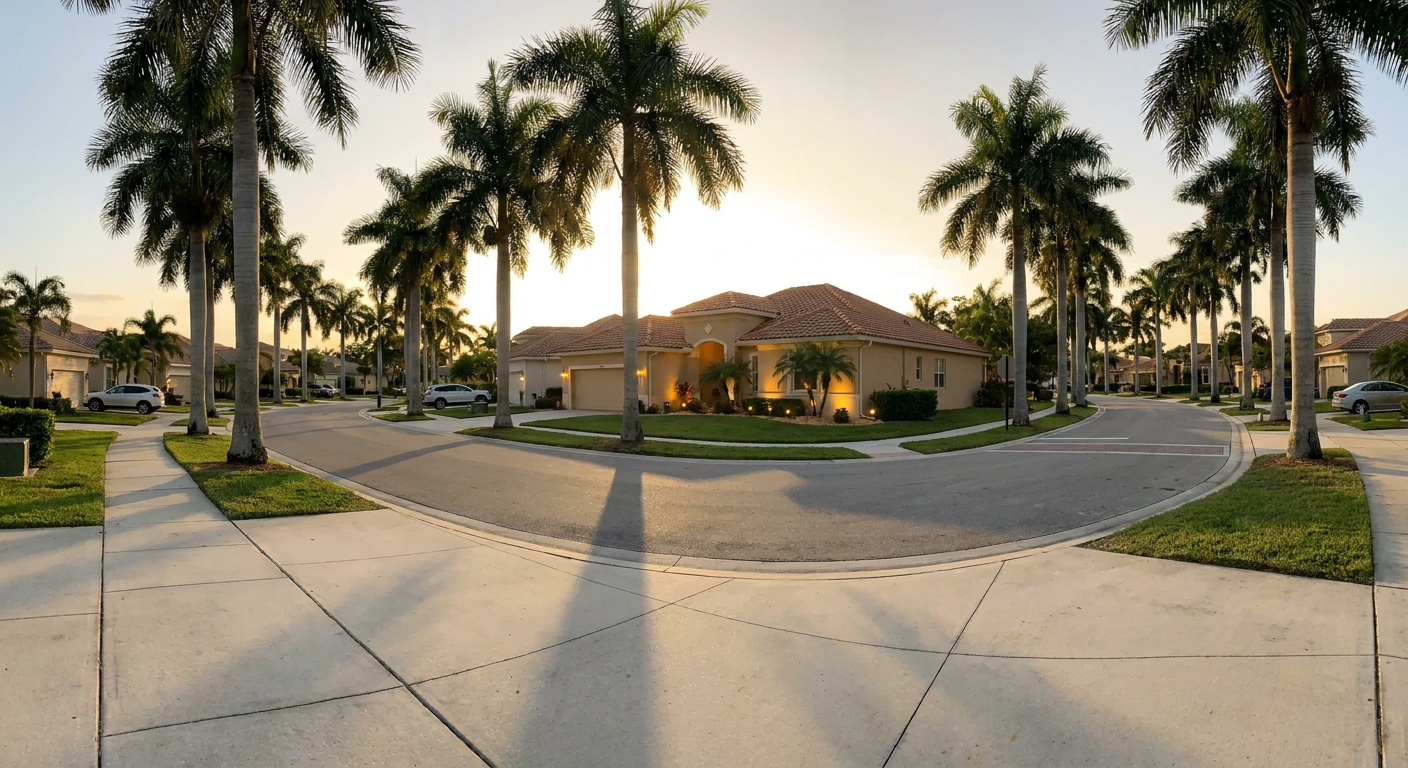
What Palm Springs, Lake Worth, and the broader Palm Beach County corridor offer is something the national statistics don’t fully capture: a concentration of smaller, structured residential programs set within quieter, community-based environments. This stands in direct contrast to the large hospital-style campuses that dominate other regions. For men who have cycled through clinical, institutional settings without lasting results, the difference in environment is not cosmetic. It shapes daily life, peer dynamics, and the degree to which treatment feels sustainable rather than temporary.
If you’re researching options here for the first time, or returning after a previous attempt at sobriety, understanding what this region actually offers is the right place to start.
The core types of addiction treatment available
NIDA’s research consistently shows that matching the level of care to the clinical severity of a person’s addiction is one of the strongest predictors of treatment success. Palm Springs and the surrounding Palm Beach County area offer the full continuum, from acute medical detox through residential programming and step-down outpatient care.
Medical detox
Detox is the process of safely clearing substances from the body under medical supervision, and for alcohol, benzodiazepines, and opioids, it is not optional. The CDC has documented that alcohol withdrawal can cause seizures and delirium tremens, a condition with a mortality rate of up to 15% when left untreated. Opioid withdrawal, while rarely fatal on its own, carries serious risks of dehydration and relapse-driven overdose.
Detox addresses physical dependence. It does not address the behavioral, psychological, or relational patterns that drive addiction. Think of it as the necessary entry point, not the treatment itself.
Residential (inpatient) treatment
Residential treatment places you in a structured, 24-hour therapeutic environment for an extended period, typically 30, 60, or 90 days. NIDA’s research on treatment duration is clear: programs lasting at least 90 days produce significantly better outcomes than shorter stays. A 2014 study published in the Journal of Substance Abuse Treatment found that each additional week of residential treatment reduced the probability of relapse in the following year.
The practical takeaway is straightforward. Longer, structured time in a calm and distraction-free environment, away from the people, places, and patterns associated with use, gives the brain and behavior the best opportunity to change. For men researching residential programs in the area, Palm Springs and Lake Worth offer settings that emphasize that structured calm over institutional scale.
Partial hospitalization programs (PHP) and intensive outpatient (IOP)
PHP typically involves 25 to 30 hours of structured programming per week, without overnight stays. IOP runs lighter, usually 9 to 15 hours weekly, and is designed for men with stable living environments who have already completed a higher level of care. Both serve as step-down options after residential treatment, maintaining clinical support while reintroducing more independence.
A 2020 study in the American Journal of Drug and Alcohol Abuse found that men who completed a step-down continuum from residential to outpatient care had significantly lower relapse rates at 12 months compared to those who transitioned directly to no care. Continuity matters more than most people realize.
How to evaluate a treatment center before you call
A 2016 study published in Psychiatric Services found that accredited behavioral health programs produced better patient outcomes than non-accredited facilities across multiple measures, including treatment completion and post-discharge functioning. Accreditation from The Joint Commission or CARF, combined with Florida AHCA licensure, is the baseline filter when comparing programs across Palm Beach County.
Beyond accreditation, look for evidence-based modalities by name: Cognitive Behavioral Therapy (CBT), Dialectical Behavior Therapy (DBT), and Medication-Assisted Treatment (MAT) where clinically appropriate. An individualized treatment plan, meaning one built around your specific history and needs rather than a standard schedule, is a signal of clinical seriousness. So is a defined aftercare plan that begins on admission, not discharge.
Questions to ask when you call a facility
SAMHSA’s Treatment Improvement Protocol series emphasizes that structured intake screening and individualized assessment are directly linked to treatment retention and outcomes. When you call a facility, the questions you ask reveal as much about the program as the answers do.
Ask what a typical day looks like from wake-up to lights out. Ask about the staff-to-client ratio, because a lower ratio means more individualized attention. Ask directly whether the program treats co-occurring mental health conditions with licensed clinicians on staff, not just addiction counselors. Ask what the aftercare plan looks like and who manages the transition. A program that can’t answer these questions clearly and immediately is telling you something important.
Co-occurring mental health conditions and why they matter
SAMHSA’s 2022 National Survey on Drug Use and Health found that 21.5 million adults in the United States had both a substance use disorder and a mental illness in the same year. Among men specifically, depression, anxiety, PTSD, and unresolved trauma are extraordinarily common alongside addiction, and they are not separate problems that can be treated sequentially.
When addiction is treated without addressing the underlying mental health condition driving it, relapse is the predictable result. The mechanism is not complicated: the substance was managing a symptom. Remove the substance without treating the symptom, and the pressure to return to it remains constant.
When evaluating any program, confirm that licensed mental health clinicians, not only certified addiction counselors, are part of the clinical team. Dual diagnosis capability is not a premium feature. It is a basic requirement for men whose addiction is entangled with mental health history.
Using insurance to pay for treatment in palm springs
The Mental Health Parity and Addiction Equity Act (MHPAEA), enacted federally and reinforced by subsequent CMS guidance, requires that insurers offering mental health and substance use disorder benefits apply the same coverage standards they apply to medical and surgical care. For men holding commercial PPO plans, this matters practically: PPO coverage typically includes out-of-network benefits that give you real flexibility to choose a facility based on clinical fit rather than network membership.
Out-of-network benefits mean the insurer reimburses a portion of treatment costs even when the facility isn’t in the plan’s contracted network. The reimbursement rate varies by plan, but the access is there. The concrete action is this: call the member services number on the back of your insurance card and ask specifically about out-of-network residential behavioral health benefits before you choose a facility. Ask about deductibles, out-of-pocket maximums, and prior authorization requirements. You can also ask the facility’s admissions team to run a benefits verification on your behalf, which most quality programs do at no charge.
Private pay and what it gets you
For men paying out of pocket, private pay removes prior authorization delays, insurance-driven length-of-stay limitations, and the back-and-forth that sometimes slows admission. Admission can happen faster, and the treatment plan is built around clinical need rather than what an insurer will approve.
According to FAIR Health’s national benchmarks, residential substance use treatment in Florida typically ranges from $10,000 to $30,000 per 30-day stay, depending on program intensity and setting. That range reflects a wide variety of program types. Private pay is not a luxury arrangement. It is a direct investment in a structured, distraction-free start to recovery, without a third party determining the timeline.
What to expect in the first 30 days of treatment
The first 30 days are the hardest, and that is not a figure of speech. A 2021 study from the National Institute on Drug Abuse examining neurological recovery timelines found that the prefrontal cortex, the region responsible for decision-making and impulse control, shows measurable improvement in function between weeks two and four of sustained abstinence. The brain is physically recalibrating during this window.
What this means in practice: the emotional intensity of the first two weeks is neurologically driven, not a sign that treatment isn’t working. Men who leave against medical advice during this period face sharply reduced odds of sustained sobriety. Research published in Drug and Alcohol Dependence found that early treatment dropout is one of the strongest predictors of relapse within 90 days. Commit to the first 30 days without negotiating an early exit. The window in which the brain begins to stabilize is real, and staying through it changes the trajectory.
Male-only treatment: why the setting matters
A 2013 study published in the Journal of Substance Abuse Treatment, analyzing outcomes across gender-specific and coed programs, found that men in male-only treatment settings showed higher rates of treatment completion and greater willingness to engage with trauma-focused therapy. The mechanism is not mystical. Men in gender-specific environments report less distraction and more willingness to address shame, masculine identity pressures, and relational trauma openly.
For men who have cycled through coed programs without lasting results, a male-only environment is not simply a preference. It is a clinically supported reason to try a structurally different setting. South Florida’s treatment landscape includes a range of program types, and gender-specific residential care occupies a distinct and evidence-backed place within it.
What happens after treatment ends
NIDA estimates that 40 to 60 percent of people with substance use disorders relapse at some point, with the highest risk concentrated in the first 90 days after discharge. That statistic is not a reason for pessimism. It is a reason to take aftercare planning as seriously as the treatment itself.
A strong aftercare plan from a Palm Springs program includes a clear step-down to PHP or IOP, connection to local peer support such as AA, NA, or SMART Recovery, alumni programming that maintains community, and case management support during the transition. The treatment options in nearby Lake Worth and the broader West Palm Beach area are close enough to make that continuum practical for men staying in the region after residential discharge.
The concrete action: before choosing a facility, ask on day one of the admissions conversation what the discharge plan looks like. Quality programs build aftercare in from the beginning, not as an afterthought on the final day.
Your next step this week
Don’t spend another week comparing websites. The move that changes the outcome is a phone call to an admissions specialist, a real conversation that answers your specific questions, confirms your insurance benefits, and begins the intake process. That call is not a commitment. It is information. And the research is consistent on this point: the decision to ask for help, made once and acted on, is what the data shows actually shifts outcomes. Make the call this week.
Frequently asked questions
Is palm springs, florida the same as palm springs, california for rehab purposes?
No. Palm Springs, Florida is a small incorporated town in Palm Beach County, situated between Lake Worth and West Palm Beach. It is a distinct location from Palm Springs, California. When searching for addiction treatment in this area, always specify Florida to make sure you’re looking at programs in the correct region.
Does insurance cover residential addiction treatment at a facility in palm springs, florida?
Most commercial PPO plans include out-of-network benefits that apply to residential behavioral health treatment, including substance use disorder programs. The Mental Health Parity and Addiction Equity Act requires insurers to cover addiction treatment on par with other medical conditions. Call your insurer’s member services line and ask specifically about out-of-network residential behavioral health benefits before making a decision.
Are women admitted to treatment programs in palm springs, florida?
Not all programs admit women. Some facilities in the Palm Springs and Lake Worth area operate as male-only programs, designed specifically for men dealing with addiction and co-occurring mental health conditions. If you’re seeking treatment for a man, confirm during the admissions call that the program is gender-specific and male-only.
How long does residential addiction treatment typically last?
The research supports a minimum of 90 days for residential treatment to produce lasting outcomes, though 30-day and 60-day programs are common starting points. The right duration depends on the severity of the addiction, the presence of co-occurring mental health conditions, and the individual’s history with prior treatment attempts. A clinical assessment on intake will guide the recommendation.
What is a dual diagnosis, and why does it matter for treatment?
A dual diagnosis means a person has both a substance use disorder and a co-occurring mental health condition, such as depression, anxiety, PTSD, or trauma. SAMHSA data shows this combination is the norm, not the exception, among men in treatment. Programs that treat only the addiction without addressing the underlying mental health condition leave the root cause unaddressed, which significantly increases relapse risk.
What happens after I leave a residential program in palm springs?
A reputable program will have an aftercare plan in place before you discharge, not on the last day. This typically includes a step-down to a Partial Hospitalization Program or Intensive Outpatient Program, connection to peer support groups, alumni programming, and case management. The first 90 days after residential treatment carry the highest relapse risk, so continuity of structured support during that window is not optional.