


Finding the right drug and alcohol rehab is not just about getting into a program , it’s about getting into the right one. According to SAMHSA’s 2023 National Survey on Drug Use and Health, more than 28 million Americans met criteria for a substance use disorder in the past year, yet fewer than 10% received any form of specialty treatment. The gap between needing help and finding help that actually works is where most people get lost. This guide gives you a concrete framework for evaluating programs, asking the right questions, and making a confident decision.
What “getting help” actually means today
SAMHSA’s 2023 data makes the treatment gap impossible to ignore: roughly 90% of people with substance use disorder receive no treatment at all in a given year. Among those who do seek help, many end up in programs that don’t match their clinical needs, which drives early dropout and relapse. A 2022 analysis published in the Journal of Substance Abuse Treatment found that poor treatment matching , placing someone in a level of care that doesn’t fit their severity , was one of the strongest predictors of early program exit.
What this means in practice: finding a rehab is not the same as finding the right rehab. If you’ve already tried treatment before, that prior attempt isn’t evidence that recovery is out of reach. It’s evidence that the fit was wrong. The goal of this guide is to help you identify exactly what fit looks like for your situation before you make a call.
The treatment levels explained
The American Society of Addiction Medicine (ASAM) has established the definitive framework for matching clinical need to level of care. Understanding these levels puts you in a far stronger position during any admissions conversation.
Detox is medically supervised withdrawal, typically lasting three to seven days, and addresses the physical danger of stopping certain substances. Residential or inpatient treatment places you in a structured, 24-hour care environment, usually for 28 to 90 days, with daily clinical programming. Partial hospitalization (PHP) provides intensive daytime treatment, typically five to six hours per day, while you sleep offsite. Intensive outpatient (IOP) drops to nine or more hours of programming per week, allowing more daily independence. Standard outpatient is the lightest level, usually one to two sessions per week for maintenance and monitoring.
Severity of use, medical risk, and co-occurring mental health conditions determine where you start , not personal preference, not cost alone, and not what a friend did.
When residential treatment is the right call
A 2021 study published in the Journal of Substance Abuse Treatment, examining outcomes across 1,400 men with alcohol and opioid use disorders, found that individuals with co-occurring psychiatric conditions who completed residential treatment had significantly higher one-year sobriety rates than comparable individuals who began at outpatient levels. The mechanism is straightforward: residential care removes you from the environment that sustains use while providing continuous clinical support during the most neurologically vulnerable phase of early recovery.
The practical test is this: if you have a co-occurring mental health condition, a prior relapse or failed treatment attempt, or a home environment tied to active use, residential is the appropriate starting point. That combination of factors shows up consistently in the outcomes literature as a signal that outpatient alone will not hold. The concrete action here is to call an admissions line this week and ask directly: “Based on what I’m describing, what level of care do you recommend and why?”
What separates effective programs from the rest
A 2020 NIDA-supported meta-analysis of 53 randomized controlled trials confirmed that cognitive behavioral therapy (CBT) and medication-assisted treatment (MAT) produce the strongest and most durable outcomes for alcohol and opioid use disorders. The uncomfortable reality is that not all rehab programs use either. Some rely on peer support or spiritual programming alone , valuable components, but not substitutes for clinical evidence-based treatment.
Three questions to ask any program before you commit: Do you use evidence-based therapies, specifically CBT, DBT, or MAT where appropriate? Do you treat co-occurring mental health conditions on-site with licensed clinicians? What does a typical day look like from wake-up to lights out? These are non-negotiables. A program that answers vaguely or deflects is telling you something important.
The role of dual diagnosis treatment
SAMHSA’s 2023 report found that 21.5 million adults in the United States had both a substance use disorder and a co-occurring mental illness in the past year. Depression, anxiety, trauma, and PTSD are not separate problems from addiction , for most men in treatment, they are the same problem presenting in two directions. Treating the substance use without addressing the underlying psychiatric condition means treating half the problem, and the untreated half is what drives relapse.
What to look for specifically: licensed mental health clinicians (LCSW, LMHC, or MD/DO) on staff, integrated treatment planning that addresses both conditions simultaneously, and a psychiatric evaluation completed at intake rather than weeks into the program. A program that refers mental health concerns off-site, rather than treating them within the same clinical team, is not a dual diagnosis program in any meaningful sense.
Staff credentials and ratios: the detail that predicts outcomes
A 2019 study from researchers affiliated with McLean Hospital and Harvard Medical School found that lower client-to-clinician ratios were directly associated with higher treatment retention rates across residential programs, with programs maintaining ratios of five to one or below showing the strongest outcomes. Retention matters because duration of engagement is one of the clearest predictors of long-term sobriety.
Ask any program for their client-to-clinician ratio and the specific credentials of their clinical staff. The credentials that signal genuine clinical capacity are LCSW (licensed clinical social worker), CAC or CADC (certified addiction counselor), and MD or DO for psychiatric care. Male-specific programming also changes the clinical dynamic in group therapy: men engage more authentically in peer accountability settings when the group shares gender-specific experiences around shame, identity, and help-seeking. Add “What are your staff credentials and your client-to-clinician ratio?” to every admissions call you make.
How to evaluate setting and structure
A 2018 study in the Journal of Psychoactive Drugs found that residential programs with higher environmental structure , defined as consistent daily schedules, clear behavioral expectations, and low external stimulation , had significantly lower early dropout rates, particularly in the first two weeks of treatment. Early dropout is the highest-risk window, and structure is one of the primary variables that holds people through it.
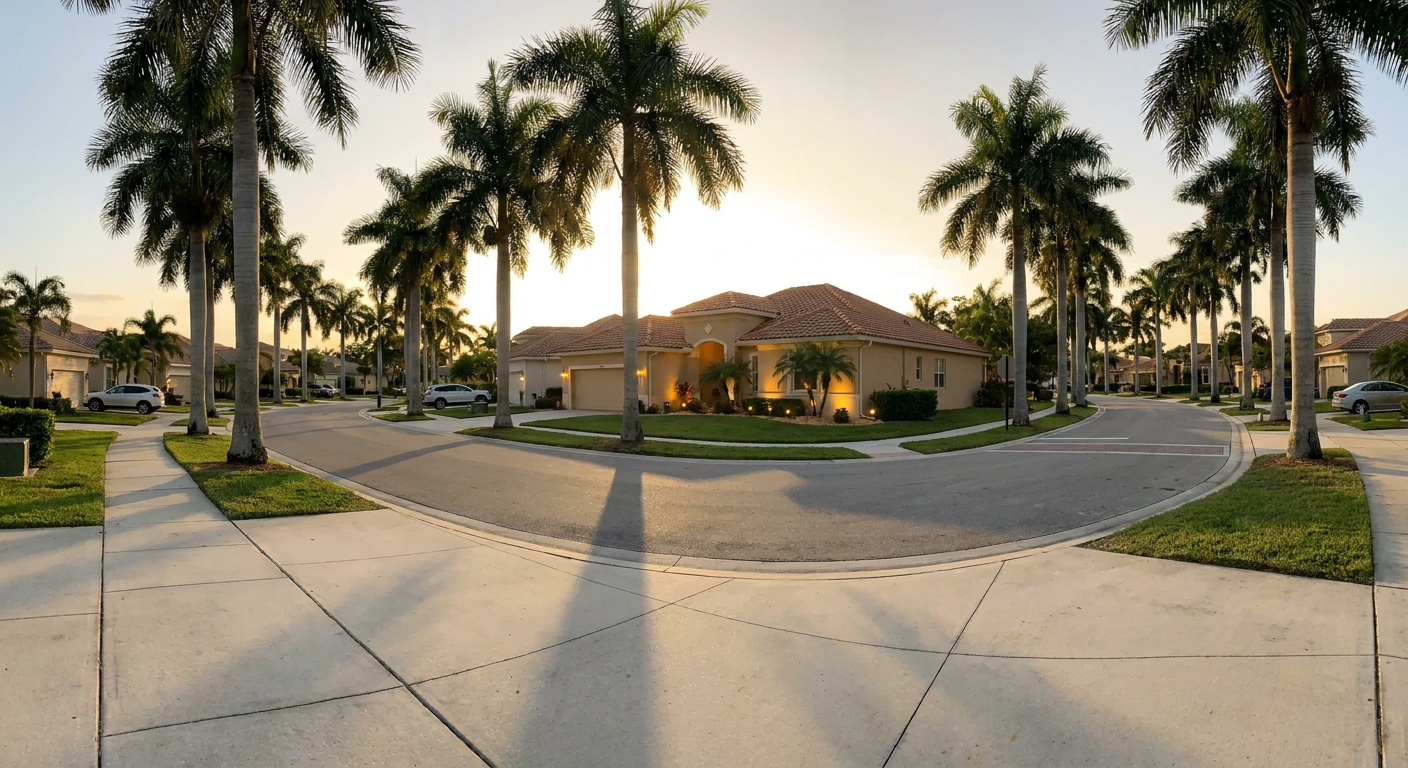
For men considering treatment in Palm Beach County, Florida, the setting question carries added clinical weight. Programs in quieter, community-embedded environments , rather than large hospital-style campuses , remove you from the specific geographic cues, social networks, and enabling environments tied to active use. If you’re evaluating options in the West Palm Beach area, ask what a structured daily schedule looks like: wake time, group therapy blocks, individual sessions, meals, and evening programming. A vague or variable answer signals that the structure isn’t actually there.
Understanding insurance and private pay
The Mental Health Parity and Addiction Equity Act requires that insurance plans offering mental health and substance use disorder benefits provide coverage comparable to medical and surgical benefits. A 2023 Kaiser Family Foundation analysis found that out-of-network behavioral health services remain covered under most commercial PPO plans, though with higher cost-sharing than in-network options.
What this means in practice: if you hold a commercial PPO, out-of-network residential treatment is likely a covered benefit. The facility bills your insurance directly, and you are responsible for your deductible and coinsurance. Many people assume that residential rehab is unaffordable without knowing what their plan actually covers. A qualified admissions team verifies benefits before you commit, so you know your financial exposure before making a decision.
The action to take this week: call the number on the back of your insurance card and ask specifically about out-of-network residential benefits for substance use disorder and mental health treatment. Ask for your deductible, your out-of-network coinsurance percentage, and whether prior authorization is required. For those comparing treatment options across Palm Beach County, this single call eliminates the cost uncertainty that keeps most people from moving forward.
Red flags that signal the wrong program
NIDA and the Substance Abuse and Mental Health Services Administration have both published guidance identifying documented patterns of substandard or fraudulent treatment practices. Four red flags to listen for on any admissions call:
No individualized treatment planning means the program runs every client through the same protocol regardless of substance, severity, or co-occurring conditions. A guarantee of sobriety or specific outcomes is both a clinical impossibility and a documented deceptive marketing tactic. No licensed clinical staff on-site means your treatment will be delivered by staff without the credentials to provide it legally. High-pressure or compensation-based admissions tactics, including patient brokering, are illegal under federal law and signal that financial incentives, not clinical fit, are driving the recommendation.
Each of these shows up in admissions conversations as evasion rather than transparency. If a program cannot name its clinical director and that person’s credentials on request, that is the answer you need. Move on.
Matching the program to the person
The Project MATCH Research Group, in its landmark trial involving 1,726 alcohol-dependent participants, found that aligning treatment type to individual patient profile consistently improved outcomes compared to a uniform treatment approach. The matching variables that matter most are: substances used, mental health history, prior treatment attempts, and the stability of the social support system at home.
The practical matching logic works like this: a prior relapse combined with a co-occurring disorder and a home environment connected to use points directly to residential treatment with integrated dual diagnosis care, not outpatient. Male-specific programming changes the group therapy dynamic in ways that improve engagement , men report less shame-based avoidance and more honest peer accountability in gender-specific settings. Programs serving men in the Palm Springs, Florida area that offer this combination address the clinical profile that general programs routinely miss.
Write down the three factors that most accurately describe your situation: the substance or substances involved, any mental health conditions or prior treatment history, and the state of your current home environment. Use those three factors as a filter on every admissions call you make this week.
What to try this week
Pick one admissions line and call it. Not to commit, not to negotiate, just to ask the four non-negotiable questions laid out in this guide: Do you use evidence-based therapies? Do you treat co-occurring conditions on-site? What is your client-to-clinician ratio? Can you name your clinical director and their credentials? That call takes twenty minutes and either confirms a program is worth pursuing or rules it out completely.
The information needed to make a confident decision about drug and alcohol rehab is available right now. The move is making the call.
Frequently asked questions
How long does drug and alcohol rehab typically last?
Residential treatment programs generally run 28 to 90 days, with longer stays producing stronger long-term outcomes for men with co-occurring disorders or prior relapses. NIDA’s research consistently shows that treatment lasting fewer than 90 days has limited effectiveness for most people with moderate to severe addiction. After residential care, step-down to PHP or IOP continues the clinical work while reintroducing daily-life structure.
What is the difference between inpatient and outpatient rehab?
Inpatient or residential rehab places you in a structured, 24-hour clinical environment where treatment, meals, housing, and support are all provided on-site. Outpatient programs, including PHP and IOP, provide scheduled treatment hours during the day or evening while you live at home or in a sober living environment. The right choice depends on your clinical severity, mental health history, and the stability of your home environment, not on personal convenience.
Does insurance cover residential drug and alcohol rehab?
Most commercial PPO insurance plans cover residential substance use disorder treatment, including out-of-network programs, under the Mental Health Parity and Addiction Equity Act. Coverage specifics, including deductibles and coinsurance rates, vary by plan. Calling the member services number on the back of your insurance card and asking directly about out-of-network residential SUD benefits is the fastest way to get accurate numbers before making any commitment.
What is dual diagnosis treatment, and do I need it?
Dual diagnosis treatment addresses both a substance use disorder and a co-occurring mental health condition, such as depression, anxiety, PTSD, or trauma, within the same integrated clinical program. SAMHSA data shows that over 21 million Americans have both conditions simultaneously. If you have any history of mental health struggles alongside substance use, a program that only treats the addiction is treating the wrong target. Integrated care is not optional for this population; it is the standard of care.
What should I look for in a rehab program specifically for men?
Male-specific programming changes the clinical dynamic in group therapy, reducing shame-based avoidance and increasing honest peer accountability. Beyond gender-specific group work, look for licensed clinical staff, integrated dual diagnosis care, evidence-based therapies like CBT or DBT, a clear daily structure, and a client-to-clinician ratio at or below five to one. Men with co-occurring mental health conditions, prior treatment attempts, or trauma histories benefit most from programs designed around those specific variables rather than a general population model.
How do I know if someone needs residential rehab versus outpatient treatment?
Three factors reliably indicate that residential treatment is the appropriate starting point: a co-occurring mental health condition, a prior relapse or failed outpatient attempt, and a home or social environment connected to active substance use. If any one of those three applies, outpatient alone is unlikely to provide enough clinical support during early recovery. An intake assessment conducted by a licensed clinician, not just an admissions coordinator, is the most reliable way to get an accurate level-of-care recommendation. For men in South Florida, understanding what programs in the region offer before committing helps ensure the recommendation matches genuine clinical need.