

If you searched whether a psychedelic can treat addiction because someone you love is using K2, here is the plain answer first: no psychedelic drug is approved to treat addiction, and no approved treatment exists for Spice specifically. So if the question in your search bar is “What psychedelic drug is used to treat addiction?”, the honest answer is that none is used outside of research studies. The approach used in clinical care at The Palms Recovery is slower and less exciting than a news story: medically monitored withdrawal when needed, followed by structured therapy at the level of care that fits the person.
You may have landed here after a long night. Maybe you found a bright foil packet in his room labeled “herbal incense” or “not for human consumption.” Maybe your son insists it is “basically weed,” yet he came home shaking, paranoid, or talking about things that were not there. Maybe you heard about a psilocybin study on the news and wondered, for one hopeful minute, if there was a shortcut. Wanting a shortcut does not make you naive. It means you are worn out, and you love him.
This guide answers the questions parents bring to The Palms Recovery in Palm Springs, FL. It covers what K2 is, what it does to the body and brain, what withdrawal can look like, whether it shows up on a drug test, what to do in an emergency, and how treatment is structured. It also walks you through the first two things The Palms Recovery team asks on a call, because those answers shape what follows: what substances he has been using, and when he last used. They help decide whether he starts in detox or can begin directly in a partial hospitalization program (PHP). If insurance is already on your mind, The Palms Recovery accepts several commercial plans as out-of-network benefits, including Aetna, Blue Cross Blue Shield, Cigna and UnitedHealthcare. It does not accept Medicaid or Medicare. You will find the full list later in this guide.
What Psychedelic Drug Is Used to Treat Addiction?
No psychedelic drug is approved to treat addiction, and that includes Spice or K2 use. Psilocybin and similar compounds are being tested in clinical trials, but they remain investigational. A doctor cannot prescribe them as an addiction treatment today.
The U.S. Government Accountability Office’s spotlight on the medical use of psychedelics describes a field that is still under study. These drugs are moving through clinical trials overseen by the Food and Drug Administration, not being used in routine care. Researchers are asking real questions. A scientific review on the role of psychedelics in treating substance use disorders looks at how compounds such as psilocybin are being studied for addiction and treats the work as early and investigational. The director of the National Institute on Drug Abuse has also written about whether psychedelics could harness neuroplasticity, meaning the brain’s ability to form new connections, to treat addiction and other mental illness. Notice how that is phrased: as a question. No trial result should be read as a promise for your son.
There is a second reason the psychedelic route is a poor fit for K2. Spice is known for triggering anxiety, paranoia and, in some people, psychosis. Psychedelic research commonly screens out people with a personal or family history of psychosis, because these drugs can make it worse. A young man coming off heavy K2 use is often exactly the person a trial would turn away. The underground “ceremonies” and unregulated retreats you may see advertised online are not treatment. They do not offer the medical monitoring a person in withdrawal may need.
Here is the more grounded news. NIDA’s overview of treatment and recovery states that addiction is treatable, that detox alone is only the first stage and not full treatment, and that care is generally most appropriate when it is matched to the person. At The Palms Recovery, every plan starts from what your son is actually using and how he is doing, not from a one-size program.
What Is K2/Spice and How Is It Different From Cannabis?
K2 and Spice are street names for synthetic cannabinoids. These are lab-made chemicals sprayed onto dried plant material or sold as liquids for vape pens. They are not cannabis, they are not THCA, and their effects are far less predictable than marijuana.
You may hear them called synthetic marijuana, fake weed, potpourri, herbal incense or “legal” weed. Packages are often colorful and labeled “not for human consumption,” a phrase used to sidestep drug laws. That label is a warning sign, not a safety claim. The plant material inside is mostly a carrier. The real drug is whatever chemical was sprayed on it, and the people making it change formulas often, sometimes to stay ahead of laws and testing.
Many parents miss this next part. Synthetic cannabinoids act on some of the same brain receptors as THC, the active compound in cannabis, but many of them bind far more strongly. That is one reason a small amount can hit much harder and cause much more dangerous side effects. Two packets with the same brand name can contain different chemicals at different strengths. A person may use one batch without a crisis and then land in an emergency room after the next. That is a feature of the product itself.
So when your son says “it’s just weed,” he is repeating a myth the packaging was designed to create. K2 is also not a psychedelic treatment, even though it can cause hallucinations. It is a synthetic drug with its own risks, its own withdrawal, and its own place in a treatment plan. Treating it like a milder form of cannabis is how families end up underestimating it.
What Does K2/Spice Do to the Body and Brain?
K2 can cause severe anxiety, paranoia, hallucinations and psychosis, along with a racing heart, vomiting and seizures. Because strength and ingredients vary from batch to batch, the same person can react very differently from one use to the next.
Common effects and risks include:
- Intense anxiety and panic: sudden fear, a pounding heart, and a sense that something terrible is about to happen.
- Paranoia and agitation: suspicion of family or friends, restlessness, and anger that seems to come from nowhere.
- Hallucinations and psychosis: seeing or hearing things that are not there, or losing touch with reality, sometimes lasting well past the high.
- Confusion and memory problems: trouble following a conversation or remembering what happened.
- Racing heart, high blood pressure and chest pain: heart problems have been reported even in young, otherwise healthy people.
- Severe nausea and vomiting: sometimes repeated and hard to stop.
- Seizures: a medical emergency that can happen with no prior warning.
- Kidney injury: acute kidney damage has been reported after use.
- Erratic or violent behavior and suicidal thoughts: risks that can rise during intoxication and during withdrawal.
- Contamination: some batches have been laced with other substances; in one widely reported outbreak, products contained a rat poison that caused dangerous bleeding.
As a parent, you often see the warning signs before you see the drug. Look for packets of “incense” or “potpourri” in his room or car, vape cartridges you cannot identify, sudden mood swings, red eyes, slurred speech, vomiting episodes, confusion, or paranoia that does not match anything happening at home. A negative home THC test paired with clear signs of intoxication is another clue, and we explain why later on.
Spice also tends to travel with mental health struggles. Some men use it to quiet anxiety or depression and end up with worse anxiety, deeper depression, or psychotic symptoms. Others had no mental health history before using K2. That overlap is why treatment looks at the whole person, not just the drug. If your son is ever unresponsive, having a seizure, struggling to breathe, complaining of chest pain, or talking about hurting himself, call 911 right away.
What Are Spice Withdrawal Symptoms and the Detox Timeline?
Spice withdrawal often begins within a day of last use and tends to peak in the first several days. For many people, the worst physical symptoms ease within one to two weeks, while sleep, mood and cravings can last longer. No medication is approved specifically to treat Spice withdrawal, so care focuses on safety and relief of each symptom.
Be cautious about any website that hands you an exact hour-by-hour schedule. Research on synthetic cannabinoid withdrawal is still limited. Timelines depend on which chemicals he used, how much, how often, for how long, and whether other substances were involved. The pattern below reflects what general clinical reports describe. It is not a Palms Recovery protocol, and your son’s experience may be shorter, longer or different.
| Time since last use | What he may feel | What you may notice at home |
|---|---|---|
| First 24 hours | Cravings, irritability, restlessness, sweating, trouble sleeping | A short temper, pacing, asking for money or a ride |
| Days 2 to 4 (often the hardest stretch) | Peak anxiety, insomnia, nausea or vomiting, poor appetite, headaches, mood swings; in rare cases a racing heart or seizures | Panic, desperation or a very low mood; a common window for leaving care or using again |
| Days 5 to 7 | Physical symptoms often begin to ease; sleep and appetite still unsettled | Calmer moments mixed with irritability |
| Week 2 | Many physical symptoms fade; anxiety, low mood, vivid dreams and cravings may linger | He may say he is “fine” and push to stop treatment |
| Week 3 and beyond | For some people, sleep trouble, low mood and cravings continue | Stress, old friends or boredom can bring cravings back quickly |
Many people describe days two through four as the hardest. For families, that is the stretch to plan around. Anxiety and insomnia stack up, he may call you begging to come home, and he may be at higher risk of using again just to make the feelings stop. If you know that going in, you may be better prepared to hold steady.
Because there is no Spice-specific medication, withdrawal care at The Palms Recovery is supportive. That means watching vital signs, managing nausea, sleep problems and anxiety, keeping him hydrated and fed, and staying alert for serious problems such as chest pain, seizures, psychosis or suicidal thoughts. At The Palms Recovery, the medical team reviews vitals, medical records, withdrawal symptoms and progress toward treatment goals. Where he starts, and whether he needs a higher level of monitoring, depends on the substances he used and how recently he used them.
How Is Spice Addiction Treated?
Spice addiction is treated in stages: a careful assessment, medically monitored withdrawal when needed, then structured therapy at the level of care that fits, stepping down as he stabilizes. At The Palms Recovery, the starting point is a preassessment built around what he used and when he last used.
Here is how that sequence works:
- Preassessment. The Palms Recovery team first works to understand the nature of the problem and the state he is in. The two questions that drive the decision are which substances he has been using and when he last used. Polysubstance use, meaning K2 alongside alcohol, opioids or benzodiazepines, changes the picture, and The Palms Recovery treats those substances too.
- Detox at the right intensity. Some men are appropriate for outpatient detox. Others need a higher level of monitoring. In that case, a man may start at the detox and residential level, complete detox, and then step down.
- Partial hospitalization (PHP). PHP provides a full, structured clinical day. For some men, the preassessment shows they can begin here directly.
- Intensive outpatient (IOP). As he gains stability, he moves to fewer hours while keeping regular therapy and accountability.
- Outpatient care (OP). Ongoing sessions, relapse prevention and aftercare planning support him in applying what he learned in ordinary life.
This is not a one-way conveyor belt. The Palms Recovery medical team can step a client up to a higher level of care based on his symptoms, mental state, participation, therapy progress and withdrawal. The Palms Recovery’s leadership has emphasized that placement and assessment matter a great deal for safety, and that a sober place to live is not the same thing as medical detox or residential treatment. Getting the level of care right is the first job, not a formality. Because The Palms offers multiple levels of care, he can move between them without starting over with a new team.
Inside each level, therapy is tailored to your son’s needs. The Palms Recovery uses cognitive behavioral therapy (CBT), dialectical behavior therapy (DBT), EMDR for trauma, motivational interviewing, individual and group therapy, 12-Step work, and Family Services. There is a faith-based track for men who want it. There is also a vocational and educational track with résumé building, GED preparation, college credits and job reintegration. It is built into what The Palms calls a “productive schedule,” with dedicated vocational blocks. MAT is available for other substances where clinically appropriate. If a man arrives already on MAT, the team continues it and discusses a taper plan with him and his therapist. No medication treats K2 itself.
The Palms describes its approach as “the No-BS approach in action.” Relapse can still happen. NIDA notes that relapse rates for substance use disorders, roughly 40 to 60 percent, are similar to those of other chronic illnesses. That is why relapse can signal a need to adjust treatment, not a reason to give up.
Does The Palms Recovery Treat Co-Occurring Mental Health Conditions Alongside Spice Use?
Yes. The Palms Recovery provides dual-diagnosis care for co-occurring mental health conditions such as anxiety, depression and trauma, treated alongside substance use rather than after it.
This matters with K2 more than with many other drugs. Many men who use Spice are carrying anxiety, depression or trauma underneath it, and K2 can stir up paranoia and psychotic symptoms on top of whatever was already there. When only the drug gets treated, the condition that may be driving it can still be waiting when he leaves. The Palms Recovery describes its alternative this way: bring in the medical and psychiatric team to address the underlying causes, so a person is not trying to talk his way out of a chemical or physiological problem.
The order is practical. Intake at The Palms Recovery first looks at what he has been using so he can be detoxed safely, and therapy starts shortly after. Motivational interviewing can help guarded men begin talking about their experiences and their trauma. Dual-diagnosis groups connect to the vocational track, so anxiety about something like a future job interview can be worked through in the room instead of numbed with a substance. On the clinical side, the team includes Lauren Tynes, LCSW, Clinical Director, and Austin Pole, LMHC, Mental Health Director.
Plans also change when the man in front of the team does not match the paperwork. The Palms shared one example, described here without identifying details. One client arrived appearing to need help mainly with substance use. In group sessions, staff noticed he was struggling with emotional regulation, low self-esteem and stress, and that those struggles seemed to be affecting his recovery. The team reviewed his progress together and adjusted his plan to add coping skills, emotional awareness, relapse prevention and healthy communication. His experience is one person’s and is not a typical result.
That kind of course correction is built into the routine. Each morning, before clients arrive, The Palms Recovery clinical staff meet to review every case, check lab reports, and decide whether a man should stay on track, step down, or get a dual-diagnosis consult. A therapist, a group facilitator and a case manager each see a different side of your son. Families are often surprised by how much of that coordination happens behind the scenes.
Will Spice Show Up on a Drug Test?
Usually not on a standard test. Most routine urine drug panels look for THC from cannabis, and synthetic cannabinoids are different chemicals, so they often go undetected unless a lab runs a specialized test designed for them.
Standard panels, including most home test kits, are built to find a specific THC breakdown product. K2 compounds do not produce it. Specialized laboratory testing can identify certain synthetic cannabinoids, but because manufacturers keep changing the chemicals, even advanced tests may miss newer versions. A test is only as good as the list of compounds it checks for.
For you, that means a negative home test does not show that your son is not using. If you see intoxication, vomiting episodes, paranoia or sudden mood changes while every test comes back negative for THC, take what you see seriously. Many families lose weeks second-guessing themselves because a test suggested everything was fine. Trust the pattern you are watching.
Inside a treatment program, testing is one tool among many, not the whole picture. The Palms Recovery’s clinical team reviews lab reports as part of its daily case review, alongside how a man is participating and how he is responding in therapy. Honest conversation, structure and accountability are also part of understanding how recovery is going.
Is There a Medication or Antidote for Synthetic Cannabinoid Overdose, and Can Naloxone Help?
No. There is no antidote for a synthetic cannabinoid overdose, and naloxone (often sold as Narcan) reverses opioids only. If someone is in danger after using K2, call 911.
Naloxone works by knocking opioids off the receptors they attach to. Synthetic cannabinoids act on a completely different system, so naloxone cannot undo them. That does not make it useless in a K2 emergency. Street drugs are often mixed, and you may not know what your son actually took. If he is not breathing well or will not wake up and you have naloxone, giving it is unlikely to harm him and could be important if an opioid is involved. Then stay on the line with 911, because naloxone alone will not address a K2 reaction.
In the emergency room, care is supportive. Doctors may give medicine to calm severe agitation, treat seizures, protect the heart, replace fluids lost to vomiting, and keep him monitored until the drug wears off. While you wait for help, stay with him and keep him away from anything that could hurt him. If he is vomiting or drowsy, turn him onto his side so he does not choke. Tell the paramedics everything you know, including any packets you found. That information can help them treat him.
If he is stable but you are unsure what to do, call the national Poison Help line at 1-800-222-1222 for free, expert guidance. For help finding treatment, SAMHSA, the federal agency behind the National Survey on Drug Use and Health that tracks substance use and treatment across the country, runs a National Helpline at 1-800-662-4357. It is free, confidential, and open 24 hours a day, 365 days a year. When in doubt, call 911 first and sort out the rest later.
What Does the Path Into The Palms Recovery in Palm Springs, FL Look Like?
The path into The Palms Recovery starts with one confidential call and a preassessment. You share what substances your son has used and when he last used, and the team tells you which level of care may fit and what your insurance may cover.
The Palms Recovery is located in Palm Springs, FL 33461, and serves adult men 18 and older from Palm Springs and across South Florida. It is a male-only facility, so women are not admitted. That focus may matter if you are tired of programs that feel built for someone else. You may be wondering whether this is a place that will truly care for your son or just take your money. That is a fair fear, and a good way to test it is to ask how a program is licensed. The Palms Recovery holds state license LIC-1045491, is accredited by the Joint Commission and FARR, and is LegitScript certified. Keeping those credentials requires regular compliance visits. Dr. Jeffrey Bishop serves as Medical Director.
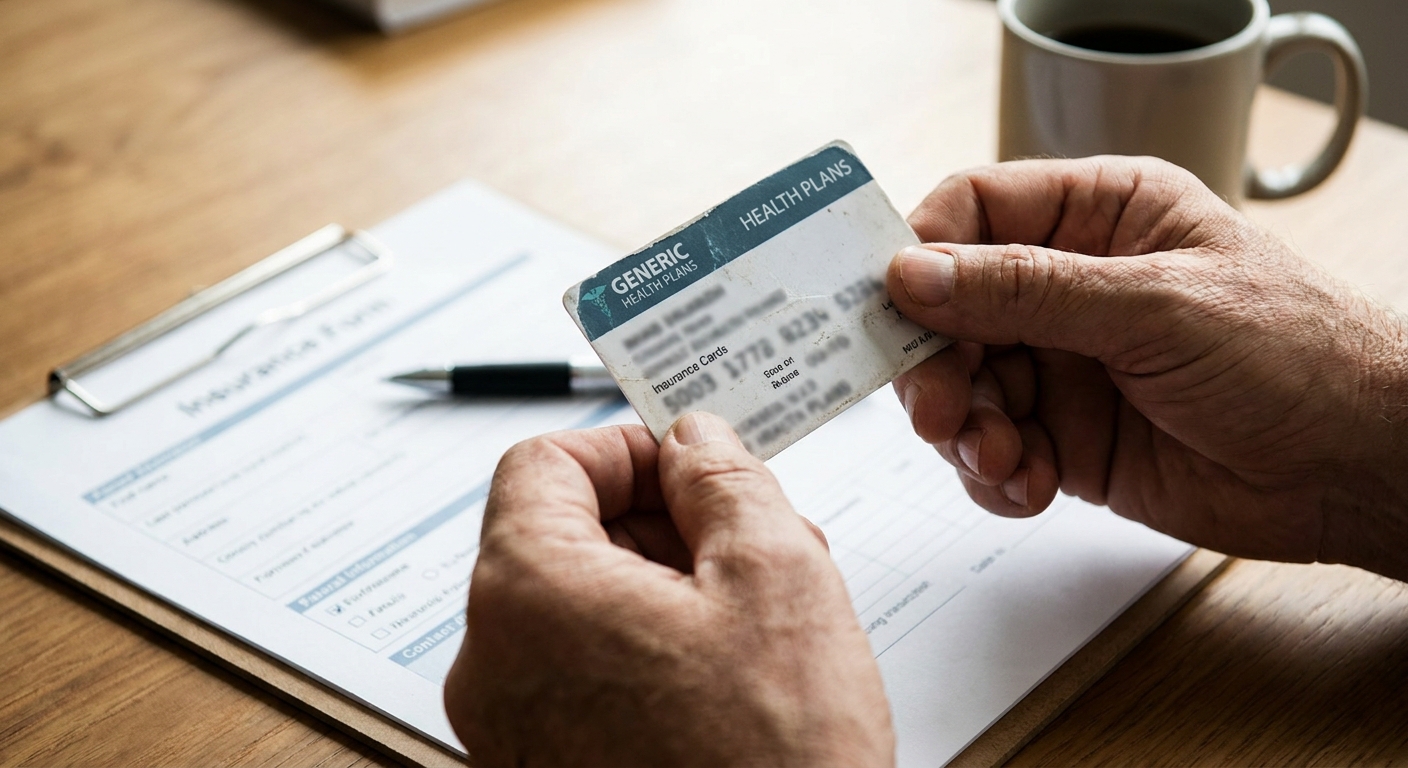
On insurance, here is the plain version. The Palms Recovery accepts these commercial plans as out-of-network benefits: Aetna, Allied Benefit Systems, Blue Cross Blue Shield, Cigna, Curative Health, Harvard Pilgrim, TRICARE and UnitedHealthcare. What your plan pays depends on your specific policy, which the team can check during the preassessment. The Palms does not accept Medicaid or Medicare. If that is your coverage, do not stop looking: SAMHSA’s FindTreatment.gov locator can help you find programs that do. You can learn more about the program and its levels of care on The Palms Recovery’s main site.
This center, The Palms Recovery, was started by parents. The owners’ story begins in 2014, when their family had to locate a relative struggling with addiction on the streets of Fort Lauderdale and get her into medical detox. Watching her move from crisis to safety led them to open The Palms Recovery in 2016. As parents of five, they built a program that aims to treat a son the way they would want their own treated.
What happens in the first 24 hours
The first day at The Palms Recovery is about safety and getting the facts right. Intake begins with the preassessment questions about substances and last use, along with a medical and clinical look at how he is doing physically and mentally. That determines whether he needs detox and at what intensity, or whether he can begin in PHP.
If he needs withdrawal management, The Palms Recovery medical team focuses on stabilizing him by watching vital signs, reviewing medical records, and tracking withdrawal symptoms. If his symptoms or mental state show he needs more support, the team can step him up rather than hoping he pushes through. Once he is stable, therapy starts shortly after, and he meets the people who will coordinate his care, including his therapist and case manager.
The Palms Recovery vocational and educational assessment starts at admission too. Staff ask about his work history, his education and his goals, then set clear targets for his time in the program. For you, one useful thing you can do early is show up. The Palms Recovery says family involvement at the start is always a plus, because it tells a man that people are behind him. Your presence may help him stay engaged through days two to four.
What Else Do Parents Ask Before They Call?
Most parents ask the same handful of questions, and each one has a short, honest answer. Here they are, so you can walk into the call already knowing the basics.
What psychedelic drug is used to treat addiction, and is psilocybin approved?
None is approved. Psilocybin is still being studied in clinical trials and is not an FDA-approved addiction treatment. Approach any program that offers it with real caution.
How long does K2 withdrawal last?
General clinical literature describes symptoms lasting from several days to a couple of weeks, with the hardest stretch often around days two through four. It varies by person, and medical supervision is advised, especially if he used other substances too.
Is there medication to treat Spice addiction?
No approved medication exists for Spice. Treatment combines supportive medical care, symptom management, and behavioral therapies such as CBT, DBT and motivational interviewing.
Can naloxone reverse a K2 overdose?
Naloxone works on opioids only. Call 911 in any emergency. If you have naloxone and do not know what he took, giving it is unlikely to hurt and may help if an opioid was mixed in.
Does The Palms Recovery accept Medicaid or Medicare?
No. It accepts several commercial plans as out-of-network benefits. Families with Medicaid or Medicare can use SAMHSA’s FindTreatment.gov locator or the National Helpline to find other options.
Can I get help for a son with K2 use in South Florida?
The Palms Recovery in Palm Springs, FL treats adult men with substance use disorders, starting with a preassessment of the substances he used and when he last used.
Where Should You Start Tonight?
Start with one confidential call to The Palms Recovery in Palm Springs, FL. Share what substances your son has been using and when he last used, and the team will tell you which level of care may fit and what your insurance may cover, with no obligation.
You do not need his agreement, the perfect words, or every answer before you call. You only need those two facts, and if you are not sure of them, the team will help you sort it out. That conversation with The Palms Recovery is how a starting point gets chosen: outpatient detox, detox and residential care, or PHP from day one.
If he needs help right now, call the SAMHSA National Helpline at 1-800-662-4357, or 911 in an emergency. People do pursue recovery from addiction, and it usually begins with the right assessment rather than a miracle drug. One thing to do before you dial: write down the date and time he last used and every substance you know or suspect, including any packets you found. That single note can help the team with the preassessment. Take the First Step tonight.
Questions About Psychedelics and Spice or K2? Talk With Someone Who Can Help
It is easy to feel stuck when you are sorting through headlines about psychedelic treatments while a person you love is struggling with addiction. You do not have to figure out what is real, what is risky, and what comes next on your own. The team at The Palms Recovery in Palm Springs, FL can listen to your situation and help you understand your options, so call the office when you are ready to talk.
Individual experiences vary, and this article is general information, not a substitute for medical advice.