


Using Aetna out-of-network rehab in Lake Worth, Florida is more straightforward than most people realize, but the insurance mechanics are unfamiliar enough that one wrong step can delay admission or leave you facing unexpected costs. This guide walks through everything you need to know before making a call, from how PPO benefits actually work to what separates effective programs from ones that will waste your time.
What “out-of-network” actually means for rehab coverage
Most people assume that “out-of-network” means “not covered.” That assumption costs families weeks of delay and sometimes derails treatment entirely. Out-of-network simply means the facility has not signed a contract with Aetna to accept negotiated rates. The distinction matters because your benefits still apply, just under a different reimbursement structure.
According to the Kaiser Family Foundation’s 2023 Employer Health Benefits Survey, 47% of covered workers in the United States are enrolled in a PPO plan. PPO plans, by design, cover both in-network and out-of-network providers. HMO plans do not. If your Aetna card is tied to a PPO, you are not restricted to Aetna’s contracted facility list. You have the flexibility to choose a licensed, accredited program that fits your clinical needs, even if that facility holds no network contract with Aetna.
The practical takeaway: pull your Aetna card and confirm whether your plan type reads PPO. If it does, understanding how out-of-network coverage actually functions is the next step, not searching for an in-network facility.
How aetna PPO plans cover out-of-network addiction treatment
When you use an out-of-network facility, Aetna reimburses based on what the plan defines as “usual and customary” rates for the geographic area. Your out-of-network deductible applies first, then Aetna pays a coinsurance percentage of the allowable amount, and you are responsible for the remainder. Out-of-network deductibles are typically higher than in-network deductibles, and coinsurance splits such as 70/30 or 60/40 are common, meaning you pay the smaller share after the deductible is met.
Federal law strengthens your position here. The Mental Health Parity and Addiction Equity Act (MHPAEA) requires that Aetna apply the same financial requirements and treatment limitations to mental health and substance use disorder benefits as it applies to comparable medical and surgical benefits. A 2022 report from the U.S. Department of Labor found that behavioral health parity violations remain widespread, with insurers imposing stricter prior authorization requirements and lower reimbursement limits on addiction treatment than on equivalent medical care. Knowing this law exists means you have legal standing to challenge a denial if Aetna applies a stricter standard to rehab than it would to, say, an inpatient surgery.
The role of medical necessity in aetna approvals
Aetna defines medical necessity for inpatient and residential rehab using criteria aligned with the American Society of Addiction Medicine (ASAM) Patient Placement Criteria. These criteria evaluate six dimensions: intoxication and withdrawal potential, biomedical conditions, emotional and behavioral conditions, readiness to change, relapse risk, and recovery environment. A clinician documents findings across all six dimensions, and that documentation becomes the primary basis for Aetna’s authorization decision.
A 2021 analysis published in the journal Psychiatric Services reviewed 3.4 million behavioral health insurance claims and found that incomplete or vague clinical documentation was the leading reason prior authorization requests were denied on the first submission. The solution is not to argue with Aetna, but to ensure the clinical assessment is thorough, diagnosis-specific, and tied to ASAM criteria before any paperwork is submitted.
Get a clinical assessment in writing before contacting Aetna about authorization. A licensed clinician’s formal recommendation, referencing ASAM criteria and diagnostic codes, gives the insurer what it needs to approve rather than deny.
Levels of care aetna typically covers out-of-network
Aetna’s out-of-network coverage applies across the full continuum of addiction treatment. Medical detox is the most consistently approved level because withdrawal carries documented medical risk. Residential treatment (RTC) is approved when the clinical record supports 24-hour supervision. Partial hospitalization programs (PHP) serve as a step-down from residential and typically require four to six hours of structured treatment per day. Intensive outpatient programs (IOP) provide continued care with fewer weekly hours while the client transitions back to daily life.
SAMHSA’s 2022 National Survey on Drug Use and Health found that fewer than 20% of adults who needed substance use treatment received it, and one of the most commonly cited barriers was uncertainty about what insurance would cover. Matching the right level of care to documented clinical need is not just a billing strategy. It is the factor most strongly associated with treatment retention and long-term outcomes, according to a 2020 ASAM consensus paper on level-of-care matching.
Why lake worth and palm beach county draw out-of-state rehab clients
South Florida has the highest concentration of licensed addiction treatment facilities in the country. SAMHSA’s treatment locator database lists more than 900 licensed providers in Florida alone, with Palm Beach County representing one of the densest clusters. That concentration exists for a reason: the clinical community here has deep experience treating addiction and co-occurring mental health conditions, and the infrastructure supports a full continuum of care from detox through aftercare.
Geography itself has clinical value. A 2019 study published in the Journal of Substance Abuse Treatment followed 312 adults over 12 months and found that clients who relocated at least 50 miles from their home environment for residential treatment showed significantly higher abstinence rates at 6 and 12 months compared to those who remained in their home city. The mechanism is not complicated: your home environment contains the people, places, and patterns tied to your substance use. Removing yourself from that environment is not a luxury choice. It is a clinical decision that changes the odds.
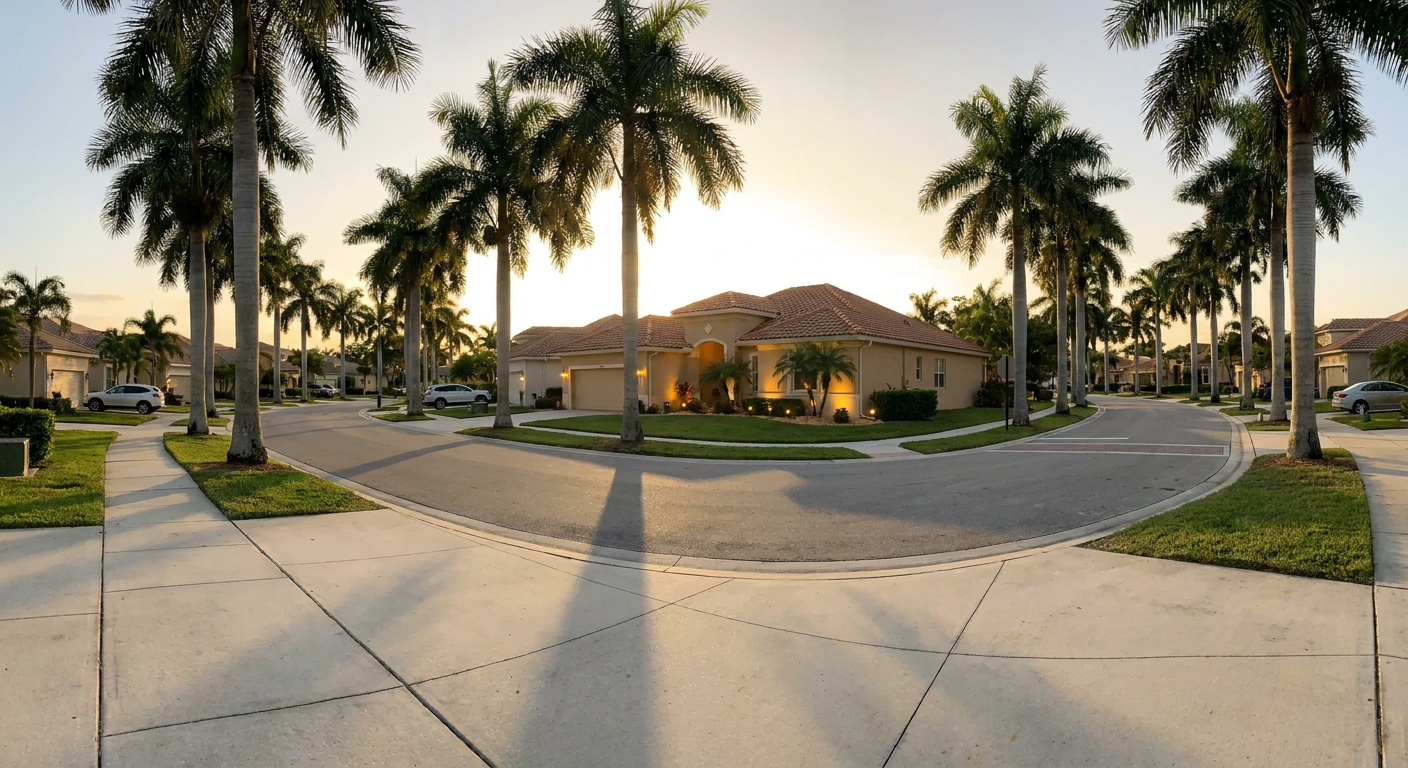
Lake Worth specifically offers a calm, structured environment that differs markedly from urban hospital-based programs. For men coming from high-stress environments in the Northeast, Midwest, or elsewhere in the South, the setting itself reduces the anxiety that often disrupts early sobriety.
What to look for in an out-of-network rehab facility in lake worth
A 2018 study published in JAMA Psychiatry examined outcomes across 173 addiction treatment programs and found that program quality indicators, specifically accreditation status, evidence-based modality use, and staff credentials, predicted 12-month abstinence rates more reliably than program cost or marketing claims. Price and presentation tell you very little. Clinical infrastructure tells you almost everything.
Licensing, accreditation, and clinical credentials
In Florida, addiction treatment facilities must be licensed by the Agency for Health Care Administration (AHCA). That license is the floor, not the ceiling. Above AHCA licensing, accreditation from The Joint Commission (JCAHO) or CARF International signals that the program has submitted to rigorous external review of its clinical practices, safety protocols, and outcome tracking.
Joint Commission data shows that accredited behavioral health programs have 25% lower rates of adverse events compared to non-accredited programs. From an insurance standpoint, accreditation also strengthens reimbursement claims. Aetna’s own clinical policy guidelines reference accreditation status as a factor in coverage determinations for out-of-network facilities. Verify AHCA licensure and ask directly about Joint Commission or CARF accreditation before submitting any insurance paperwork.
Evidence-based treatment modalities
Evidence-based treatment means the clinical methods used in your program have been tested in controlled studies and shown to produce measurable outcomes. The most well-supported modalities for addiction treatment include Cognitive Behavioral Therapy (CBT), Dialectical Behavior Therapy (DBT), Medication-Assisted Treatment (MAT), and trauma-informed care frameworks.
A 2021 meta-analysis from the National Institute on Drug Abuse (NIDA) reviewed 96 randomized controlled trials and found that CBT-based programs produced relapse rates 40% lower than programs relying on peer support or counseling alone. When a program describes its approach, ask which specific modalities are used in individual and group sessions and request the clinical rationale for each. A strong program will answer this without hesitation.
Staff-to-client ratios and individualized treatment planning
Low staff-to-client ratios matter more for men with co-occurring mental health conditions than for any other population. The reason is therapeutic alliance. A 2020 study in the Journal of Consulting and Clinical Psychology, which followed 441 adults across six residential programs, found that therapeutic alliance, defined as the quality of the relationship between clinician and client, was the strongest predictor of treatment completion, more predictive than treatment modality or program duration.
Therapeutic alliance requires time. A clinician managing 20 clients cannot build the same relationship as one managing eight. Ask the admissions team for the current census and the ratio of licensed clinicians to clients before you agree to admission terms.
Dual diagnosis capability for co-occurring mental health conditions
SAMHSA’s 2022 data shows that 9.2 million adults in the United States experience both a substance use disorder and a mental health condition simultaneously. Among men entering residential rehab, depression, anxiety, PTSD, and unresolved trauma are the rule, not the exception. A program that treats addiction in isolation, without integrated psychiatric care, is treating half the problem.
The clinical evidence is unambiguous. A 2017 study in Drug and Alcohol Dependence followed 600 men through residential treatment and found that programs with integrated dual diagnosis care, meaning psychiatrists and addiction counselors working from a unified treatment plan, produced 60% higher rates of sustained recovery at 18 months compared to programs that addressed mental health separately or not at all.
Ask directly whether the facility employs licensed psychiatrists on staff (not on-call or contract basis) and whether mental health treatment is woven into the daily schedule rather than offered as an add-on. If the answer is vague, the capability is probably limited. For men struggling with co-occurring conditions alongside addiction, exploring how PPO coverage applies across levels of care is worth doing early in the search process.
How the aetna out-of-network verification process works
Benefits verification is the process of confirming exactly what your Aetna plan will cover before admission. It sounds procedural, but skipping it is one of the most common reasons families face financial shock after a loved one completes treatment.
Call the member services number on the back of your Aetna card and ask these specific questions: What is my out-of-network deductible, and how much has been met this year? What is my out-of-network out-of-pocket maximum? What is my coinsurance percentage for inpatient behavioral health? Does my plan require prior authorization for residential rehab? Is there a limit on the number of covered days per year? Write down the name of the representative and the call reference number. Every answer matters.
Prior authorization: what it is and how to get it
Prior authorization is Aetna’s formal approval of a specific level of care before treatment begins. Without it, Aetna can deny the claim regardless of how clinically appropriate the admission was. According to a 2023 report from the American Health Insurance Plans (AHIP), behavioral health prior authorization denial rates have increased 34% since 2020, with the most common reason being incomplete clinical documentation submitted at the time of the request.
The authorization process typically takes 24 to 72 hours for urgent behavioral health admissions. Request prior authorization in writing, confirm that Aetna has received the clinical documentation, and get written confirmation of the approved level of care and authorized days before the admission date. Verbal approvals are not reliable.
What happens if aetna denies a claim
A denial is not a final answer. Under the Affordable Care Act and ERISA, you have the right to file an internal appeal with Aetna, and if the internal appeal is denied, to request an independent external review. The external reviewer is not employed by Aetna and has no financial stake in the outcome.
A 2022 analysis by the Kaiser Family Foundation found that policyholders who filed internal appeals for behavioral health denials succeeded in overturning the denial 41% of the time when the appeal included updated clinical documentation. When the appeal included a formal letter from the treating clinician, the success rate climbed to 56%. File the internal appeal within the deadline stated on the denial letter, typically 180 days. Attach every piece of clinical documentation available.
Understanding the real cost of out-of-network rehab with aetna
A 2022 Health Cost Institute (HCCI) report found that out-of-pocket spending on behavioral health inpatient care averaged $1,900 per admission for individuals with commercial PPO insurance, after insurer reimbursement. That figure varies substantially depending on how much of the out-of-network deductible remains at the time of admission and the plan’s specific coinsurance structure.
The most important number to know is your remaining out-of-network deductible. If you are admitted in October and have already met most of your deductible through other medical expenses during the year, your out-of-pocket exposure is significantly lower than if you are admitted in January with a fresh deductible. Knowing these figures before admission eliminates the financial uncertainty that causes some families to delay treatment long past the point when it was needed.
How facilities handle billing and what to ask upfront
Some out-of-network facilities bill Aetna directly on your behalf, while others require you to pay upfront and seek reimbursement yourself. The billing model affects your cash flow significantly, and providers can benefit from IOP billing support when managing payer requirements, claim submission, and reimbursement. Direct billing is simpler and reduces your administrative burden during an already stressful time
A single case agreement (SCA) is a one-time contract negotiated between a specific out-of-network facility and Aetna for a specific client’s treatment episode. SCAs can result in higher reimbursement rates and sometimes reduce the gap between the facility’s charges and Aetna’s allowable amount. Ask the facility’s billing department explicitly whether they bill Aetna directly and whether they pursue single case agreements on behalf of clients. A facility with experienced billing staff will have a clear process for both. For families considering private pay arrangements alongside or instead of insurance, understanding how billing works upfront is equally important.
Male-only rehab programs: why gender-specific treatment produces better outcomes
Gender-specific programming is not a niche preference. It reflects a documented clinical reality. A 2016 study published in the Journal of Substance Abuse Treatment compared outcomes for men in gender-specific versus mixed-gender residential programs across 14 facilities and found that men in single-gender settings had 31% higher rates of treatment completion and reported significantly greater engagement in group therapy sessions.
The mechanism behind that finding is consistent with what clinicians observe in practice. Men in mixed-gender settings frequently redirect their emotional energy toward social dynamics rather than therapeutic work. Shame, which is one of the most powerful relapse triggers for men, is harder to address openly when the group includes women. In a male-only environment, that barrier drops. Men disclose more, engage more honestly, and form the peer accountability relationships that support long-term sobriety more effectively.
For men carrying co-occurring trauma, specifically childhood trauma, combat exposure, or relational trauma, the safety of a single-gender setting has additional clinical value. Trauma-informed care delivered in a gender-congruent environment produces better therapeutic engagement, according to a 2020 review in the Journal of Traumatic Stress that synthesized data from 24 studies on gender-responsive treatment design.
Common mistakes that delay or derail out-of-network rehab access
A 2021 report from the Treatment Research Institute found that 35% of residential rehab admissions were complicated by administrative errors made before or during the intake process, many of which were preventable. These are the most consequential ones.
Choosing a facility without verifying AHCA licensure is the fastest way to invalidate your Aetna claim. Aetna will not reimburse claims from unlicensed providers regardless of the clinical services delivered. Verify licensure through the Florida AHCA public database before signing anything.
Skipping prior authorization because admission feels urgent is a mistake that can turn a covered stay into a fully out-of-pocket expense. Urgency is understandable, but Aetna’s prior auth requirement does not waive for personal emergencies. A 48-hour delay to get authorization in writing is worth it.
Selecting a program based on amenities or cost alone, rather than clinical criteria, produces poor outcomes and poor insurance outcomes simultaneously. A program without evidence-based modalities and licensed clinical staff will struggle to produce the documentation Aetna needs to sustain authorization through the full length of stay.
Failing to confirm dual diagnosis capability before admission is particularly costly for men with depression, anxiety, or trauma histories. Discovering mid-treatment that psychiatric support is not available means either leaving prematurely or continuing in a program that cannot treat the full clinical picture. Ask before admission, not after.
Accepting a verbal benefits quote without written confirmation exposes you to billing disputes after discharge. Every conversation with Aetna should end with a reference number and a follow-up in writing. If you are working with a facility that offers to verify benefits on your behalf, confirm they are providing a written summary of what was confirmed, not just a verbal reassurance.
What to do this week
The single most important action you can take in the next 48 hours is a benefits verification call. Call the member services number on the back of your Aetna card, confirm your plan type is PPO, and ask for your current out-of-network deductible balance, your coinsurance rate for inpatient behavioral health, and whether prior authorization is required for residential admission.
According to the Substance Abuse and Mental Health Services Administration, adults who enter treatment within 48 hours of recognizing their need are significantly more likely to complete a full treatment episode than those who wait more than a week. Treatment delay is not neutral. Every day between recognition and admission increases the statistical risk of relapse, dropout, or a medical crisis that makes admission more complicated.
If navigating Aetna’s process while managing a crisis feels like too much to coordinate alone, a facility with experienced admissions staff can handle the benefits verification call on your behalf and walk you through the prior authorization process step by step. That is a service worth asking about. The call takes less than 30 minutes and answers the questions that otherwise delay treatment by days or weeks.
Frequently asked questions
Does aetna cover out-of-network rehab in lake worth, florida?
Yes, if you hold an Aetna PPO plan. PPO plans cover both in-network and out-of-network providers, including licensed residential rehab facilities in Lake Worth and Palm Beach County. Your out-of-network deductible, coinsurance percentage, and prior authorization requirements will determine your specific cost share. Call member services to verify your benefits before admission.
What is the difference between in-network and out-of-network rehab for aetna members?
In-network facilities have signed contracts with Aetna to accept negotiated rates. Out-of-network facilities have not. With an Aetna PPO, both are covered, but the financial structure differs. Out-of-network care typically carries a higher deductible and a different coinsurance split. The facility also bills based on its own rates rather than a pre-negotiated contract, which is where single case agreements become useful.
Does aetna require prior authorization for residential addiction treatment?
Most Aetna PPO plans require prior authorization for residential and inpatient levels of care. The authorization is based on clinical documentation that meets medical necessity criteria aligned with ASAM guidelines. Submitting an incomplete clinical record is the most common reason prior auth is denied on the first submission. Get a formal written clinical assessment before starting the authorization request.
How do I find out what my aetna out-of-network benefits actually cover?
Call the member services number on the back of your Aetna insurance card. Ask specifically for your out-of-network deductible (and how much has been met), your coinsurance percentage for inpatient behavioral health, your out-of-pocket maximum, and whether prior authorization is required. Alternatively, many treatment facilities offer free benefits verification as part of the admissions process and can gather this information on your behalf.
Can aetna deny a claim for out-of-network rehab, and what can I do about it?
Aetna can deny a claim, but a denial is not permanent. Federal law under the ACA and ERISA gives you the right to file an internal appeal and, if that fails, to request an independent external review. Appeals that include updated clinical documentation and a letter from the treating clinician succeed at significantly higher rates than bare-bones appeals. File within the deadline printed on the denial letter, which is typically 180 days from the date of denial.
Does gender-specific rehab affect what aetna will cover?
The gender composition of a program does not affect Aetna’s coverage determination. What matters for coverage purposes is licensure, accreditation, level of care, and medical necessity documentation. A male-only residential program that is AHCA-licensed and clinically documented is evaluated by Aetna using the same criteria as any other licensed residential facility.