


Most men who struggle with anxiety and addiction don’t fail because they lack willpower. They fail because they chose a program that only treated half the problem. If you’re searching for anxiety treatment in Lake Worth, Florida, this guide gives you the criteria to tell the difference between a program that will genuinely help and one that will leave you vulnerable to relapse.
Why anxiety treatment decisions are harder than they look
According to the Florida Department of Children and Families, Palm Beach County consistently ranks among the state’s highest in substance use disorder treatment admissions, yet fewer than one in five Floridians with a mental health condition receives adequate treatment in any given year. That gap is not random. It reflects a system where anxiety and addiction are routinely treated as separate problems by separate providers, and where men cycling through that fragmented care end up back where they started.
Choosing the wrong program doesn’t just cost you time. It costs you sobriety. A facility that detoxes your body but ignores your anxiety sends you home with the same nervous system that drove you to use in the first place. This guide is a practical filter for making a smarter decision before you ever walk through a door.
Understanding anxiety and addiction as a dual diagnosis
A 2020 SAMHSA report on co-occurring disorders found that approximately 9.5 million adults in the United States had both a mental illness and a substance use disorder, with anxiety disorders representing one of the most prevalent mental health conditions in that group. Among men specifically, the rate of untreated anxiety running alongside addiction is significantly higher than the general population average, in part because men are far less likely to identify anxiety as a clinical condition worth treating.
The relationship between anxiety and addiction is bidirectional, which is the plain-English way of saying each one makes the other worse. Alcohol and drugs reduce anxiety in the short term, which is why so many men reach for them. But sustained use physically alters the brain’s stress response system. When use stops, anxiety rebounds harder than before, creating a biological pull back toward the substance that offered relief. This is not a character flaw. It is a predictable pharmacological cycle.
Treating only the addiction while leaving anxiety unaddressed produces a predictable result: relapse. The anxiety doesn’t disappear during a 30-day detox. It intensifies. Programs that understand this treat both conditions simultaneously from the first day of care.
The cycle that standard treatment misses
Here’s the specific mechanism that most standalone detox programs are not equipped to handle. During withdrawal, the brain’s GABA system, which normally dampens anxiety signals, is temporarily dysregulated. Anxiety spikes sharply in the first days and weeks of sobriety. For a man who has spent years using substances to manage that anxiety, this spike feels like confirmation that he cannot cope without the substance. Without concurrent psychiatric evaluation and treatment, the withdrawal-anxiety cycle becomes self-reinforcing: anxiety drives use, use delays proper diagnosis, and delayed diagnosis means the anxiety never gets treated on its own terms.
Lake Worth and the broader Palm Beach County area have a dense concentration of standalone detox and short-term residential programs, many of which do not include psychiatric staff. Before calling any facility, ask one question directly: is anxiety assessed and treated during detox, or only after it concludes? The answer will tell you most of what you need to know.
What integrated anxiety treatment actually looks like
A 2019 study published in the Journal of Substance Abuse Treatment compared integrated dual-diagnosis treatment (where mental health and addiction are treated simultaneously by a coordinated clinical team) against sequential treatment (where mental health treatment begins only after addiction treatment ends). Integrated treatment produced significantly better outcomes across anxiety symptom reduction, sobriety retention at six months, and overall functioning. The mechanism is straightforward: anxiety and addiction share neurological pathways, so treating them together is more efficient than treating them in isolation.
What qualifies as genuinely integrated care is specific. It includes a psychiatric evaluation that begins at or before admission, not weeks into treatment. It includes medication management by a board-certified psychiatrist if indicated. It includes evidence-based individual therapy running parallel to any addiction-focused group work. And it includes a structured aftercare plan that addresses anxiety as a distinct clinical target, not just general wellness.
When a facility describes its approach as “holistic” without naming specific clinical services, that language is doing the work that clinical substance should be doing. Ask for specifics.
Evidence-based therapies worth asking about
Cognitive Behavioral Therapy (CBT) is the most extensively studied psychotherapy for anxiety disorders. A 2021 meta-analysis in Psychological Medicine reviewed 41 randomized controlled trials and found CBT produced meaningful anxiety symptom reductions in adults across diagnostic categories. For men in addiction recovery, CBT provides a concrete framework for identifying the thought patterns that trigger anxious arousal and cravings simultaneously.
Dialectical Behavior Therapy (DBT) was developed specifically for emotional dysregulation and is particularly effective for men whose anxiety manifests as anger, avoidance, or high-risk behavior. EMDR (Eye Movement Desensitization and Reprocessing) is the standard of care for trauma-related anxiety, and given how frequently trauma underlies addiction in men, its presence in a program’s clinical model is a meaningful signal.
When you call a facility, ask three things: what is the name of the therapy model used for anxiety, what are the credentials of the clinician delivering it, and how many individual sessions per week does a client receive. A program that cannot answer all three clearly is not running a structured clinical model. For men dealing with anxiety alongside trauma, it’s also worth exploring how PTSD treatment is structured at programs that specialize in co-occurring conditions, since the two often overlap significantly.
Medication-assisted approaches for co-occurring anxiety
Psychiatric medication evaluation is a standard of care in dual-diagnosis treatment, not a last resort or a sign of weakness. A 2022 review in JAMA Psychiatry confirmed that SSRIs and SNRIs remain first-line pharmacological options for generalized anxiety disorder and social anxiety disorder in adults, including those in addiction recovery. Non-benzodiazepine options such as buspirone and hydroxyzine are also used specifically because they carry no abuse potential.
The red flag to watch for is at both ends of the spectrum. Facilities that refuse medication conversations on ideological grounds leave a clinically appropriate tool off the table. Facilities that readily prescribe benzodiazepines to men in early addiction recovery are creating a new dependency problem while treating the old one. A well-run program uses a board-certified psychiatrist to make these determinations individually. Before enrolling, confirm that a psychiatrist (not just a therapist or counselor) is on staff and available to see clients during their residential stay.
How to evaluate anxiety treatment providers in lake worth
Palm Beach County has more licensed behavioral health facilities per capita than most Florida counties, which creates a paradox: more options make the right choice harder, not easier. According to SAMHSA’s Behavioral Health Treatment Services Locator, Palm Beach County hosts dozens of licensed treatment facilities, ranging from large hospital-based programs to smaller residential settings. A dense provider market requires a sharper filter, not a more flexible one.
Credentials and licensing to verify
Florida’s Agency for Health Care Administration (AHCA) licenses all residential and outpatient behavioral health programs in the state. AHCA licensure is the baseline requirement; it means a facility has met minimum operational standards. Joint Commission accreditation is a higher bar, reflecting voluntary compliance with national quality benchmarks in clinical care, safety, and patient rights. These are not equivalent, and the distinction matters.
On the clinical staff side, look for board-certified psychiatrists (MD or DO with psychiatry certification), Licensed Clinical Social Workers (LCSWs), and Licensed Mental Health Counselors (LMHCs) with documented addiction specialization. Verify AHCA licensure directly on the state database at apps.ahca.myflorida.com before your first intake call. Don’t take a facility’s word for it.
Questions to ask during the intake call
The intake call is a job interview, and you are doing the hiring. Four questions should be non-negotiable. First: how is anxiety assessed during detox, and by whom? Second: when does the psychiatric evaluation occur relative to admission, and what credentials does the evaluating clinician hold? Third: what specific therapy model is used for co-occurring anxiety, and how many individual sessions per week does that include? Fourth: what does the written aftercare plan for anxiety look like at discharge?
These are not hostile questions. Any program with genuine clinical depth will answer them without hesitation. If the intake coordinator deflects, offers vague reassurances, or says “we address all mental health needs,” that’s a disqualification, not a green light.
Red flags that predict poor outcomes
NIDA’s Principles of Effective Treatment, first published in 1999 and updated repeatedly since, establish that treatment must address multiple needs of the individual, not just drug use, and that an adequate treatment duration is necessary for effectiveness. Programs that violate these principles in observable ways are worth leaving quickly.
Watch for these specific signals: staff who describe mental health treatment in vague terms like “we take a whole-person approach” without naming clinical modalities; no psychiatrist on staff, only therapists; a policy where therapy for anxiety begins only after a 30-day addiction-focused phase ends; and intake paperwork that uses a single generic treatment plan template rather than building one around your specific history. If the intake staff cannot explain the clinical model in plain English during a phone call, the clinical model probably isn’t as structured as the website implies.
The role of setting in anxiety recovery
A 2018 study in Psychiatric Services found that low-stimulation residential environments with structured daily routines produced significantly better anxiety symptom outcomes than high-stimulation, high-census settings. For men coming out of chaotic use environments, the physical setting of treatment is not a luxury consideration. It is a clinical variable.
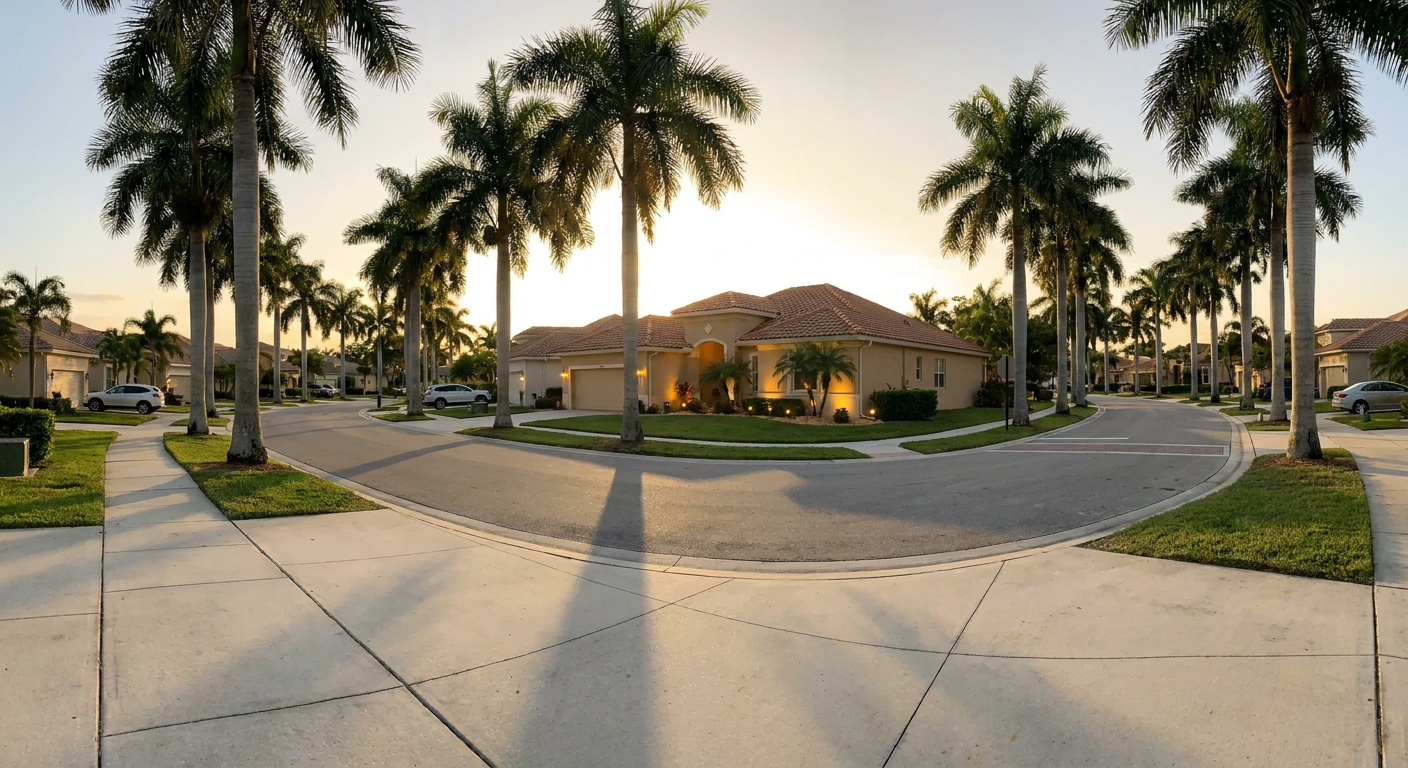
The Lake Worth and Palm Beach County area offers something that many treatment markets don’t: proximity to natural, quieter environments, a residential scale that allows for smaller program sizes, and a structured daily rhythm that is genuinely conducive to nervous system regulation. Men arriving from high-stress urban environments or from long periods of unstable living often report that the transition to a structured, low-stimulation setting begins producing results within the first week. Understanding what comprehensive mental health treatment actually looks like helps clarify why the physical and clinical environment work together, not separately.
Private vs. large hospital-style programs
The clinical experience inside a smaller private residential program is meaningfully different from that of a high-volume hospital-based program, particularly for anxiety. In a large program, psychiatric contact often consists of brief medication checks, sometimes as short as 15 minutes per week, because a single psychiatrist may be managing 40 or 50 clients simultaneously. In a smaller program, a psychiatrist can realistically track your response to treatment in real time, adjust the approach, and maintain continuity with your therapist.
Ask directly: how many clients is each psychiatrist managing? A ratio above 25:1 is a warning sign in a dual-diagnosis setting. Psychiatrists managing high caseloads are doing medication administration, not individualized psychiatric care.
Insurance, cost, and out-of-network coverage
A 2023 Kaiser Family Foundation analysis found that commercial PPO holders have substantially stronger access to out-of-network mental health and substance use disorder treatment than most people realize, partly because of the Mental Health Parity and Addiction Equity Act, which requires insurers to cover mental health benefits on terms no more restrictive than medical-surgical benefits.
Out-of-network does not mean out-of-pocket. It means the facility bills you directly, provides a superbill (an itemized receipt with diagnostic and procedure codes), and you submit that to your insurer for reimbursement at your plan’s out-of-network rate. Prior authorization, a formal approval process required before some services, is a separate but manageable step. The most clinically rigorous programs in Palm Beach County often operate outside in-network agreements precisely because insurance contracts can constrain clinical decision-making around length of stay and treatment intensity.
How to use your PPO benefits in palm beach county
Call the member services number on the back of your insurance card and ask specifically about residential mental health and substance use disorder benefits. Ask for the out-of-network reimbursement percentage for Revenue Codes 1002 (residential psychiatric care) and 1001 (residential substance use disorder treatment). Ask whether prior authorization is required and, if so, what clinical documentation is needed to secure it.
These are specific, answerable questions. The representative can look them up in real time. Having this conversation before your intake call gives you a realistic picture of your actual financial exposure, which is almost always lower than the sticker price suggests.
What happens if anxiety goes untreated after discharge
A 2017 longitudinal study in Drug and Alcohol Dependence followed 1,226 adults in recovery for 18 months post-discharge. Untreated co-occurring anxiety was one of the strongest independent predictors of return to use within 90 days. The mechanism is not complicated: anxiety that was managed by substances during active use does not resolve when use stops. Without a structured plan to treat it after discharge, the pressure builds until something gives.
Aftercare planning for anxiety is not a general wellness recommendation. It is the final and most consequential phase of treatment. Before signing any enrollment agreement, ask to see the written aftercare plan specifically for co-occurring anxiety. A generic template with “outpatient therapy referral” as the only item is not a plan. A specific document naming the therapy modality, the frequency of sessions, the psychiatric follow-up schedule, and the crisis contact protocol is a plan. For men in the Palm Beach County area, what a well-structured mental health program in West Palm Beach looks like can serve as a useful benchmark for what rigorous aftercare coordination should include.
What to do this week
Call three facilities this week. Lead with one question: is a board-certified psychiatrist on staff, and does that psychiatrist conduct psychiatric evaluations at or before admission? Any facility that cannot answer that question clearly, or that redirects you to a general description of their “mental health support,” is disqualified before the conversation goes further. That single filter eliminates the majority of underqualified programs in the Lake Worth and Palm Beach County market without requiring a facility tour, a long intake meeting, or a second call. One well-informed call this week is more protective of long-term recovery than waiting for the moment when everything feels less urgent. That moment rarely comes. The call is the move.
Frequently asked questions
What is the difference between anxiety treatment and dual-diagnosis treatment in lake worth?
Anxiety treatment addresses anxiety as the primary clinical condition, using therapies like CBT, DBT, or EMDR along with psychiatric evaluation when indicated. Dual-diagnosis treatment addresses anxiety and a co-occurring substance use disorder simultaneously within an integrated clinical model. If anxiety and addiction are both present, dual-diagnosis care is the appropriate level, because treating only one produces predictably incomplete results.
How long does residential anxiety treatment typically last in palm beach county?
Residential stays for co-occurring anxiety and addiction typically range from 30 to 90 days, depending on the severity of both conditions, the stability achieved in early treatment, and the aftercare resources available. Programs that default to a fixed 28-day timeline regardless of clinical presentation are not individualizing care. Ask specifically how length-of-stay decisions are made and who makes them.
Can anxiety be treated without medication during residential care?
Yes, for many men. Evidence-based therapies like CBT and DBT produce significant anxiety symptom reductions without medication. That said, medication management should always be available as a clinical option evaluated by a psychiatrist, not ruled out in advance. The decision should be made individually based on symptom severity, history, and the presence of co-occurring conditions, not on a program-wide policy.
Does PPO insurance cover residential anxiety treatment in lake worth?
Commercial PPO plans typically cover residential mental health treatment, including for anxiety with co-occurring addiction, at an out-of-network reimbursement rate. Coverage specifics vary by plan, but the Mental Health Parity and Addiction Equity Act requires that mental health benefits be no more restrictive than medical benefits under the same plan. Call your insurer’s member services line and ask specifically about residential mental health benefits and out-of-network reimbursement rates before assuming the cost is prohibitive.
What credentials should the clinical staff have at an anxiety treatment facility?
At minimum, look for a board-certified psychiatrist on staff for evaluations and medication management, Licensed Clinical Social Workers or Licensed Mental Health Counselors with addiction specialization delivering individual therapy, and a treatment team that meets regularly to coordinate psychiatric and therapeutic care. Verify Florida AHCA licensure on the state database and look for Joint Commission accreditation as a secondary quality indicator.
Is lake worth a good location for anxiety treatment specifically?
Palm Beach County, including Lake Worth, offers a combination of factors that support anxiety recovery: a quieter, residential setting compared to large urban medical centers, access to structured smaller programs, and proximity to natural environments that support nervous system regulation. The density of providers in the area also means meaningful variation in clinical quality, which is why using a sharp evaluation framework before choosing matters more here than in markets with fewer options.