


Benzo addiction treatment in Palm Springs, Florida is not a decision to make under pressure or with incomplete information. The withdrawal from benzodiazepines carries medical risks that no other class of drugs quite matches, and choosing the wrong program, or attempting to manage detox without clinical supervision, can be fatal. This guide walks through exactly what to look for, what to ask, and how to evaluate your options before committing to a program.
What benzodiazepine addiction actually does to the brain
A 2018 study published in Neuropharmacology, examining over 4,000 long-term benzo users, found that prolonged benzodiazepine use produces measurable changes in GABA receptor density and sensitivity throughout the central nervous system. GABA is the brain’s primary inhibitory neurotransmitter, the chemical that signals neurons to slow down. Benzos amplify GABA activity artificially, and over time the brain compensates by downregulating its own natural GABA production and reducing the number of active receptors.
The practical consequence of this is that physical dependence forms faster than most people realize. For many patients, clinically significant dependence develops within four to six weeks of daily use, sometimes less. When the drug is removed, the brain’s inhibitory system is suddenly operating at a serious deficit, and every excitatory process in the nervous system becomes unchecked.
What this means in practice: recognizing neurological dependence, rather than psychological habit, changes how you evaluate a treatment setting. A program that does not offer medical management of the withdrawal process is not equipped to treat benzo addiction safely.
Why benzo withdrawal is medically dangerous and can’t be managed alone
A landmark analysis published in CNS Drugs reviewed withdrawal fatality data across substance categories. The finding is unambiguous: benzodiazepines and alcohol are the only two substance classes where unsupervised withdrawal carries a documented risk of death. In severe cases, benzo withdrawal produces grand mal seizures, respiratory failure, and a syndrome resembling delirium tremens. A 2020 retrospective study from the American Journal of Psychiatry, reviewing hospital admissions for substance withdrawal, found that benzodiazepine-related seizures occurred in approximately 20 to 30 percent of cases involving abrupt discontinuation after prolonged use.
Contrast this with opioid withdrawal, which is agonizing but rarely lethal in otherwise healthy adults. Benzo withdrawal is physiologically distinct: the neurological rebound affects the brainstem structures that regulate breathing and cardiovascular function. This is not a spectrum of discomfort. It is a genuine medical emergency in waiting.
Self-tapering at home, reducing your dose gradually on your own without medical guidance, sounds logical but fails in practice because dosing precision is nearly impossible without pharmaceutical-grade medication and monitoring. Cold-turkey cessation is simply not a viable option. The actionable takeaway: if you are physically dependent on benzodiazepines, medical detox in a licensed clinical setting is not optional. It is the starting point.
What a medically supervised benzo detox actually looks like
The Ashton Manual, developed by Professor Heather Ashton at Newcastle University over more than a decade of clinical research with approximately 300 benzo-dependent patients, remains the most cited framework for benzodiazepine tapering. The core principle is substitution and gradual reduction: converting the patient to a long-acting benzodiazepine (typically diazepam), then reducing the dose in small, scheduled decrements over weeks to months, depending on the patient’s dependence severity and clinical presentation.
In a well-run residential detox, the first 24 hours focus on medical assessment: vitals monitoring, neurological evaluation, blood work, and establishing a baseline taper schedule. Physicians adjust the taper based on withdrawal symptom scores, typically using validated tools like the Clinical Institute Withdrawal Assessment for Benzodiazepines (CIWA-B). Medication-assisted management of secondary symptoms, nausea, elevated heart rate, insomnia, anxiety, runs parallel to the taper itself.
The one concrete thing to evaluate when comparing programs: ask specifically how the facility manages acute withdrawal scoring. Programs with genuine benzo expertise use structured clinical assessment tools every few hours during the first 72 hours, not a fixed protocol applied uniformly to every patient.
How long benzo detox takes
The timeline varies significantly by which benzodiazepine a patient was using. According to clinical data published by NIDA, short-acting benzos like alprazolam (Xanax) and lorazepam (Ativan) produce acute withdrawal symptoms within 12 to 24 hours of the last dose, peaking within the first two to three days. Long-acting benzos like diazepam (Valium) and clonazepam (Klonopin) have onset delays of 24 to 48 hours, with peaks around days four through seven.
The more important variable is protracted withdrawal syndrome, also called PAWS. A significant percentage of long-term benzo users experience persistent symptoms, anxiety, cognitive difficulty, sleep disruption, and sensory hypersensitivity, for months after acute detox resolves. The clinical literature puts this figure between 10 and 40 percent of patients who used benzos daily for more than a year.
The question to ask every prospective program: how do you assess and plan for protracted withdrawal? A program that treats detox as a seven-day event with no monitoring beyond that is not prepared for the clinical reality of long-term benzo dependence.
Medications used during benzo detox
FDA guidance and ASAM clinical practice guidelines both support the use of long-acting benzodiazepines as the primary tapering agent, most commonly diazepam, due to its predictable half-life and the clinical control it provides over withdrawal symptom progression. The substitution taper works because diazepam metabolizes slowly and steadily, eliminating the sharp peaks and troughs that short-acting benzos create.
Adjunct medications address specific symptom clusters without introducing additional dependence risk. Beta-blockers like propranolol manage cardiovascular symptoms, elevated heart rate and blood pressure. Anticonvulsants such as carbamazepine or gabapentin are sometimes used to reduce seizure risk, particularly in patients with a seizure history. Some programs use hydroxyzine for anxiety management during the later taper phase.
The question to ask directly: what is your tapering protocol, and who makes adjustments to it? The answer should involve a physician who evaluates the patient daily, not a fixed schedule applied without clinical oversight.
The link between benzo addiction and co-occurring mental health conditions
A 2019 study published in Addiction analyzed data from over 22,000 benzo-dependent patients and found that approximately 65 percent carried at least one co-occurring psychiatric diagnosis, most commonly generalized anxiety disorder, PTSD, or major depressive disorder. This is not coincidental. Benzos are predominantly prescribed for anxiety and sleep disorders, and many patients progress from legitimate medical use to dependence while the underlying condition that drove the prescription remains untreated.
The clinical implication is direct: treating the benzo addiction without addressing the psychiatric condition that preceded or co-exists with it dramatically increases relapse risk. A man who developed a Klonopin dependence after years of untreated PTSD is not simply struggling with a drug habit. The neurological roots run deeper, and the treatment plan has to reflect that.
Evaluating a program for dual diagnosis capability is not complicated. Ask whether they conduct a psychiatric evaluation at intake, whether the treatment plan addresses both the substance use and the mental health diagnosis simultaneously, and whether a licensed psychiatrist, not just a therapist or counselor, is part of the clinical team. Programs that treat addiction and mental health in sequence rather than in parallel are not offering integrated care.
What to look for in a benzo addiction treatment program in palm springs, florida
SAMHSA’s 2022 National Survey on Drug Use and Health identified several consistent predictors of positive treatment outcomes: medical supervision during detox, individualized treatment planning, access to medication-assisted treatment, and continuity between levels of care. For benzo-specific treatment in Palm Springs and the broader Palm Beach County area, these factors translate into concrete criteria for evaluation.
The following subsections cover the five most important factors to assess before committing to a residential program.
Accreditation and licensing
JCAHO accreditation (from The Joint Commission) and CARF accreditation represent independent verification that a program meets established standards for clinical quality, safety protocols, and staff qualifications. Florida DCF licensing is the state regulatory baseline, and any facility operating without it is not legally authorized to provide residential addiction treatment in Florida.
Accreditation matters because it is third-party verified. A facility can make any claim about its quality on its website. Accreditation means an external body has reviewed clinical records, staffed interviews, facility protocols, and outcomes data. Verifying credentials takes five minutes: look the facility up directly on The Joint Commission’s Quality Check database or the CARF directory online, and confirm their Florida DCF license through the state’s licensing portal.
Medical staff qualifications for benzo cases
ASAM criteria for Level 3.7 medically monitored residential treatment require 24-hour nursing coverage and daily physician contact for patients in acute medical withdrawal. For benzo detox specifically, that standard is not optional, it is the clinical floor. “24/7 medical monitoring” as a phrase is frequently used by programs that have a nurse on call rather than a nurse on-site. These are different things.
Ask explicitly: is nursing staff physically present on-site overnight, or on-call? Is there a physician who evaluates patients in withdrawal daily, or only during business hours? If a program cannot answer these questions with specifics, the medical supervision it advertises is not what you need for a safe benzo detox.
Individualized treatment planning
A 2016 study in the Journal of Substance Abuse Treatment, following 1,200 patients across twelve residential programs, found that patients who received individualized treatment plans based on structured intake assessments were 38 percent more likely to complete treatment than those placed in standardized group protocols.
An individualized plan for benzo addiction should include a comprehensive medical history covering prescription history, prior withdrawal episodes, and any co-occurring medical conditions. It should document a substance use history specific to benzo type, dose, and duration. It should include a psychiatric evaluation, not a screening questionnaire. And it should produce a taper schedule tailored to that patient’s clinical presentation, not a default protocol. Ask to see the intake assessment process before choosing a program.
Therapeutic modalities that work for benzo addiction
A 2021 meta-analysis in Drug and Alcohol Dependence, reviewing 34 randomized controlled trials on psychotherapy for benzodiazepine dependence, found that cognitive behavioral therapy (CBT) produced the largest and most durable reductions in benzo use compared to other interventions. The mechanism is specific: CBT addresses the catastrophic thinking patterns and anxiety sensitivity that drove initial benzo use and that fuel relapse risk during and after withdrawal.
Dialectical behavior therapy (DBT) adds distress tolerance and emotional regulation skills, particularly valuable for patients with co-occurring PTSD or mood disorders. EMDR is increasingly supported by evidence for trauma processing in dual diagnosis populations. When evaluating a program, ask which specific modalities they use for benzo-dependent patients, and why. A program that can explain the clinical rationale for its therapeutic choices has a staff that knows what it is doing.
Aftercare and relapse prevention planning
A 2019 NIDA-funded study tracking 1,500 patients across 30 residential programs found that patients who completed a structured aftercare plan had relapse rates roughly 40 percent lower at the 12-month mark than those who discharged without one. The quality of what happens after residential treatment is not secondary to the residential program itself. For benzo dependence, where protracted withdrawal extends the vulnerability period well beyond acute detox, aftercare is the bridge between stabilization and sustained recovery.
A strong aftercare plan includes a defined step-down to a lower level of care, typically partial hospitalization or intensive outpatient, not an abrupt return to daily life. It includes ongoing psychiatric monitoring for the co-occurring conditions that were treated during residential care. It includes alumni programming and peer support. Ask every program you consider what the 90-day post-discharge plan looks like in concrete terms. If the answer is vague, the program has not invested in the part of treatment that most determines long-term outcomes.
Residential vs. outpatient treatment for benzo addiction: how to choose
ASAM’s level-of-care criteria place patients requiring medically supervised withdrawal at Level 3.7 or above, which is residential or inpatient. A 2020 study in the Journal of Addiction Medicine, comparing residential and outpatient treatment outcomes for sedative-hypnotic dependence across 800 patients, found that patients with high-severity dependence, defined by daily use of more than therapeutic doses for six months or longer, had significantly better outcomes in residential settings.
The decision framework is straightforward. Residential treatment is the clinically indicated choice when daily benzo use has been occurring for more than a few months, when prior attempts at quitting or tapering without medical support have failed, or when the home environment is unstable or includes people who use substances. Outpatient treatment is appropriate for mild dependence with no prior withdrawal complications, strong social support, and a stable living environment, but it is rarely the right starting point for significant benzo addiction.
If you are uncertain about your level of dependence, a clinical assessment from an ASAM-certified physician, which most licensed programs offer at no cost as part of the admissions process, will establish the appropriate level of care.
How insurance covers benzo addiction treatment in florida
The Mental Health Parity and Addiction Equity Act (MHPAEA) requires that commercial insurance plans covering mental health and substance use disorder benefits do so at parity with medical and surgical benefits. In practical terms, this means that if your insurer covers inpatient medical care, it is legally required to cover inpatient addiction treatment under equivalent terms. Florida’s state parity law reinforces federal requirements.
For holders of out-of-network PPO plans, the benefits structure works differently than in-network HMO coverage. Out-of-network PPO plans typically reimburse a percentage of the “usual, customary, and reasonable” rate for the service, after you meet your out-of-network deductible. This means you pay upfront or the facility bills directly, and the insurer reimburses a portion. Many residential programs have dedicated insurance specialists who manage this process. Understanding how residential coverage levels are assessed for different substances before choosing a program can prevent surprises on the billing side.
The first call to make before choosing a program: call your insurance company’s behavioral health line and ask for a verification of benefits for residential substance use disorder treatment at an out-of-network facility. Write down the following specifics: your out-of-network deductible, your out-of-network out-of-pocket maximum, the reimbursement percentage for inpatient behavioral health, and whether prior authorization is required.
Private pay and financing options
According to SAMHSA’s 2022 Treatment Episode Data Set, approximately 30 percent of residential admissions nationally are paid out-of-pocket, without insurance involvement. Private pay is sometimes the faster path to admission, bypassing the prior authorization process that can introduce delays of several days or longer.
Costs for residential addiction treatment nationally range from approximately $10,000 to $60,000 per month, depending on facility type, staff-to-patient ratio, and amenities. Many programs offer financing through third-party healthcare lenders, and some maintain sliding-scale fee structures for patients who can document financial hardship. Before touring any facility, ask for a complete fee schedule and the terms of any financing offered. Programs that are unwilling to provide transparent pricing before admission are not operating in your interest.
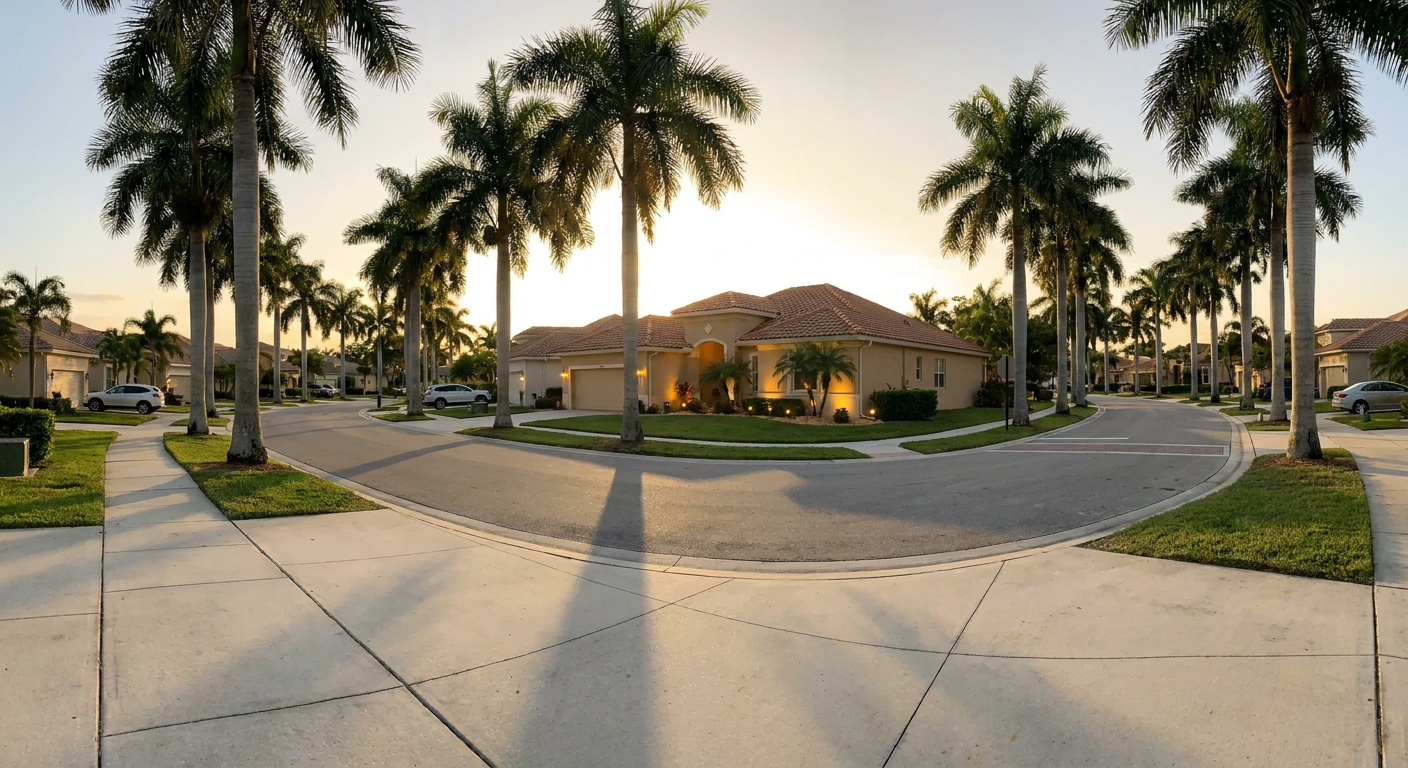
Why palm springs, florida is a viable and strategic choice for benzo treatment
A 2019 study published in Environment and Behavior, analyzing environmental factors in recovery outcomes among 500 residential treatment patients, found that access to natural settings, consistent climate, and separation from urban stressors were associated with higher treatment completion rates and lower 90-day relapse rates. The mechanism is not complicated: recovery from benzo dependence requires neurological stabilization, and that process is harder in environments saturated with the same triggers that reinforced the original drug use.
Palm Springs and the broader Palm Beach County area offer practical advantages beyond the research-supported benefits of a destination setting. Geographic distance from your using environment is not symbolic. It disrupts the physical and social cues that activate drug-seeking behavior, buys time for the brain to begin recalibration before reexposure to those triggers, and creates a structured daily rhythm that supports the early recovery process.
The question to ask yourself: is your current home environment stable enough to support recovery, or does returning to it immediately after detox put you back in the same conditions that made treatment necessary? For men who recognize the honest answer to that question, a destination program in South Florida is not an indulgence. It is a clinical decision. For perspective on how choosing the right location and level of care affects recovery from other substance dependencies, the same environmental logic applies.
Red flags to avoid when choosing a benzo treatment program
The Florida attorney general’s office and the FTC have both documented the scale of fraudulent practices in Florida’s addiction treatment industry, a pattern widely referred to as the “Florida shuffle.” A 2017 FTC and Florida state investigation identified patient brokering, kickback arrangements, and fraudulent billing as pervasive in South Florida treatment networks, particularly in Palm Beach County, where the density of treatment facilities created incentives for unethical competition.
Specific red flags to take seriously: any program that guarantees outcomes. Reputable clinical programs do not guarantee sobriety; they guarantee evidence-based care. Pressure to decide immediately is a sales tactic, not a clinical one. Legitimate programs give prospective patients and families time to ask questions and compare options. Lack of transparent pricing suggests either disorganized billing or intentional opacity. No licensed medical staff on-site during detox is a patient safety failure, not a cost-cutting measure that can be tolerated.
The single verification step that filters out most low-quality programs before you tour: check the facility’s Florida DCF license status and its JCAHO or CARF accreditation status online before you call them. If either is missing or expired, move on.
Questions to ask any benzo treatment program before you commit
SAMHSA’s treatment locator criteria and ASAM placement guidelines together define what a clinically adequate program looks like. Translating those standards into interview questions gives you a practical filter for evaluating programs.
Ask the admissions team: Is the facility licensed by Florida DCF and independently accredited by JCAHO or CARF? Is nursing staff physically on-site 24 hours a day during detox, or on-call from a remote location? What is your specific tapering protocol for benzodiazepine withdrawal, and which physician manages adjustments? Do you conduct a psychiatric evaluation at intake, and does your clinical team include a licensed psychiatrist? What evidence-based therapeutic modalities do you offer specifically for benzo-dependent patients, and what is the clinical rationale for each? What does the 90-day post-discharge plan look like, and is step-down care arranged before discharge? What are your complete fees, and what financing is available?
The single most important question that separates programs with genuine benzo expertise from generalist facilities: ask how they manage protracted withdrawal syndrome in patients who continue experiencing symptoms after acute detox resolves. A program with real benzo competency will have a specific clinical answer. A generalist program will not.
What the first 72 hours of benzo treatment look like
Clinical data from the American Journal of Psychiatry identifies the first 72 hours of benzodiazepine withdrawal as the highest-risk window, particularly for seizure activity in patients with high-severity dependence. In a properly staffed residential program, the first three days are the most medically intensive phase of treatment.
At admission, a physician conducts a comprehensive medical intake: review of benzo history, current dose, last use, and any prior withdrawal complications. Blood work assesses liver function, kidney function, and electrolytes. Vital signs are monitored on a frequent schedule, often every two to four hours. The initial taper dose is established and documented, and the nursing team begins structured symptom scoring.
Emotionally, the first 72 hours are often the hardest. Anxiety is elevated because withdrawal amplifies it. Sleep is disrupted. Cognitive clarity is reduced. This is neurological, not psychological weakness. Knowing this in advance does not eliminate the discomfort, but it removes the fear that something is wrong when the expected symptoms arrive.
What to bring: identification, insurance cards, a list of all current medications with dosages, and comfortable clothing. What to leave behind: personal electronics (many programs restrict these during the first days of stabilization), substances of any kind, and anything that connects you to the using environment you are temporarily stepping out of. The preparation that matters most is informing your clinical team of your complete medical history, including any prior withdrawal episodes and any medications beyond benzos that you use regularly.
Red flags vs. green flags: a quick reference
When comparing residential programs for benzo addiction, a few indicators reliably separate quality programs from inadequate ones.
Green flags include: Florida DCF licensing that is current and verifiable, JCAHO or CARF accreditation, a physician-managed taper protocol specific to benzodiazepines, 24-hour on-site nursing, integrated dual diagnosis treatment, and a documented aftercare plan established before discharge.
Red flags include: no licensed medical staff on-site during detox, inability to explain a specific taper protocol, guaranteed outcomes, immediate pressure to commit, lack of transparent pricing, and no psychiatric evaluation at intake.
For context on how similar quality standards apply when evaluating residential care for other prescription drug dependencies, the same criteria translate across substance categories.
Frequently asked questions
How long does benzo detox take in a residential setting?
Acute withdrawal from short-acting benzos like Xanax typically peaks within two to three days and stabilizes within a week. Long-acting benzos like Klonopin or Valium have a slower onset, with symptoms peaking around days four through seven. The full taper in a medically supervised setting typically takes two to four weeks, depending on dependence severity. Protracted withdrawal symptoms can persist beyond that in long-term users, which is why aftercare planning matters as much as the detox itself.
Can you detox from benzos at home?
No. Benzodiazepine withdrawal carries a documented risk of grand mal seizures and cardiovascular complications. Unlike opioid withdrawal, which is rarely fatal in healthy adults, benzo withdrawal can become life-threatening without medical management. Home detox, including self-guided tapering without physician supervision, is not a safe option for anyone with established physical dependence.
Does insurance cover residential benzo treatment in florida?
Under the Mental Health Parity and Addiction Equity Act, commercial insurance plans are required to cover inpatient substance use disorder treatment at parity with inpatient medical benefits. Out-of-network PPO plans typically reimburse a percentage of residential treatment costs after the out-of-network deductible is met. Contact your insurance company’s behavioral health line before choosing a program, and verify your specific out-of-network benefits for residential SUD treatment.
What is the difference between benzo detox and benzo addiction treatment?
Detox is the medically supervised process of safely removing benzodiazepines from the body through a controlled taper. Addiction treatment is the longer therapeutic process that addresses the behavioral, psychological, and co-occurring mental health factors that drove and sustained the addiction. Detox without subsequent treatment produces poor long-term outcomes. Effective residential programs treat both in sequence, with detox leading into residential programming and then into structured aftercare.
Is palm springs, florida a good location for benzo treatment?
For men whose home environment includes using relationships, environmental triggers, or sources of ongoing stress that complicate early recovery, a destination setting like Palm Springs in Palm Beach County offers meaningful clinical advantages. Geographic separation from using environments disrupts the stimulus-response patterns associated with drug use and supports neurological stabilization during the early recovery period. Research on environmental factors in treatment outcomes supports this approach.
What is the “florida shuffle,” and how do I avoid it?
The Florida shuffle refers to a pattern of fraudulent practices in Florida’s addiction treatment industry, including patient brokering, kickback arrangements between referral sources and facilities, and low-quality care designed to bill insurance repeatedly rather than achieve clinical outcomes. Avoiding it requires verifying DCF licensing and independent accreditation before engaging with any program, being cautious of high-pressure admissions tactics, and insisting on transparent pricing and clinical information before making any commitment.
Taking the next step toward benzo addiction treatment in palm springs
The clinical risk of waiting is not abstract. Benzo dependence does not plateau and hold steady. Tolerance continues to build, dependence deepens, and the neurological changes that make withdrawal dangerous become more entrenched over time. A 2021 review in Frontiers in Psychiatry found that longer duration of dependence was associated with longer protracted withdrawal periods and lower rates of full neurological recovery after treatment.
The specific action to take this week: call your insurance company’s behavioral health line and request a verification of benefits for residential substance use disorder treatment at an out-of-network facility. Write down the deductible, reimbursement percentage, and prior authorization requirements. Then use the questions in this guide to evaluate at least two licensed, accredited programs in Palm Springs or Palm Beach County. For men who are also weighing how structured residential care differs from outpatient options across substance types, that comparison is worth understanding before finalizing a level-of-care decision.
You now have the framework. The next step is a phone call, not another week of research.