


Choosing a Christian rehab in Palm Springs, Florida means navigating a crowded treatment landscape where not every program delivers what it promises. This guide walks you through what to look for, what to ask, and what separates genuine faith-integrated care from a program that simply hangs a cross on the wall.
What sets christian rehab apart from secular treatment
A 2015 Harvard T.H. Chan School of Public Health study tracking 9,505 patients found that those who participated in spiritually integrated recovery programs were 47% less likely to relapse in the five years following treatment compared to those in secular-only programs. The mechanism is not mystical. Spiritual community creates accountability structures, meaning-making frameworks, and a sense of belonging that secular programs often struggle to replicate at the same depth.
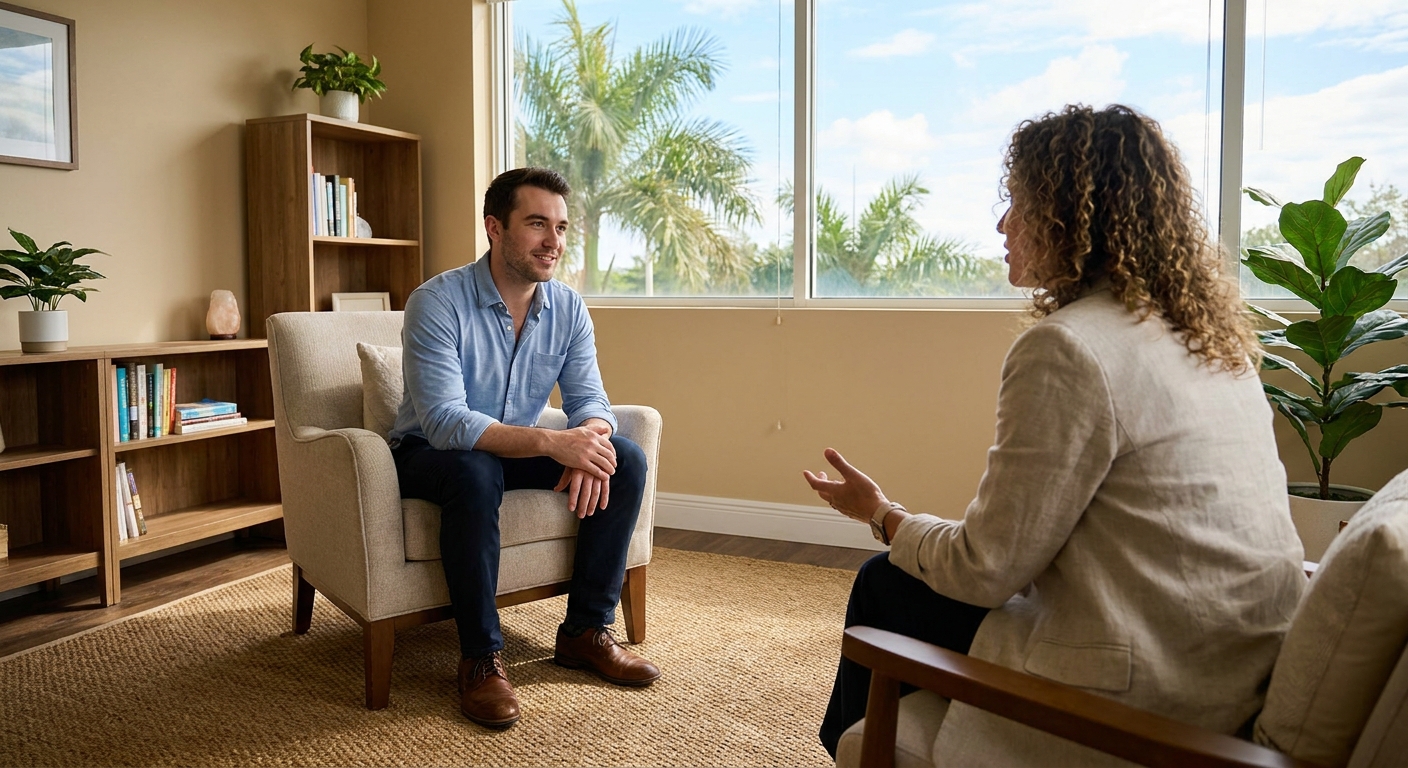
What this means in practice: Christian rehab is not chaplaincy bolted onto a clinical schedule. In a genuine faith-integrated program, biblical principles inform the therapeutic model. A counselor helping you process shame around addiction draws on both cognitive-behavioral techniques and scriptural truth simultaneously. The clinical work and the spiritual work happen in the same room, with the same staff.
The practical takeaway for your evaluation is this: ask any program how faith is incorporated into the treatment planning process, not just into programming hours. If the answer is “we have chapel on Sundays,” keep looking.
The palm springs, florida setting and why it matters for recovery
A 2019 study published in Environment and Behavior, examining 245 residential treatment clients across multiple facilities, found that access to natural, low-stimulus environments reduced cortisol levels by 28% over a 30-day stay and was independently associated with higher treatment completion rates. Environment is not a luxury consideration. It is a clinical one.
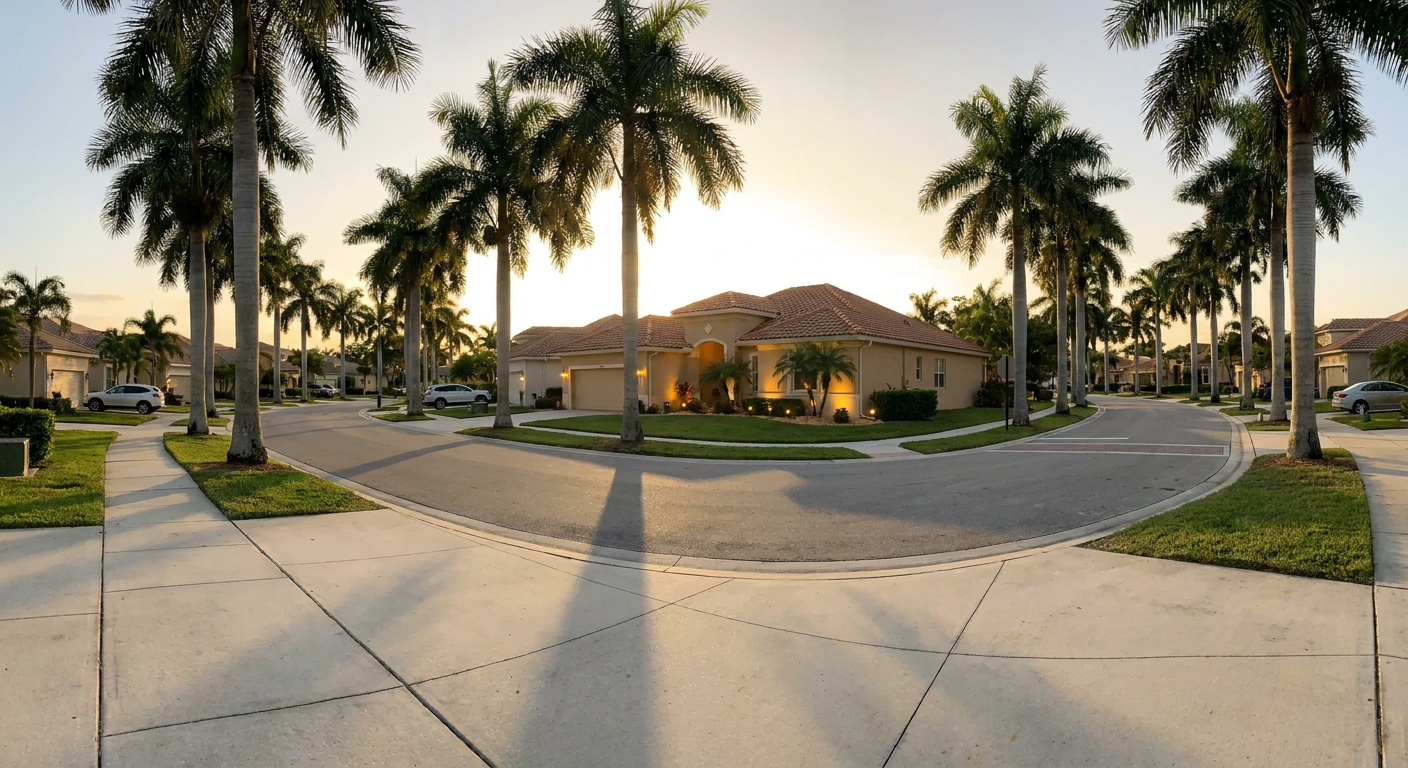
Palm Springs, Florida sits in Palm Beach County, a few miles inland from the Atlantic coast and within close range of Lake Worth Beach. The area is predominantly residential and quiet, a stark contrast to the density of downtown West Palm Beach or Miami. The climate is warm year-round, allowing for outdoor therapeutic activity even in January. The physical distance from urban triggers , bars, former using neighborhoods, the social cues tied to addiction , is real and measurable.
Out-of-state clients seek South Florida specifically because geographic separation from their home environment removes the relapse triggers embedded in familiar surroundings. A faith-centered residential program in Palm Beach County offers that psychological distance without requiring you to travel across the country.
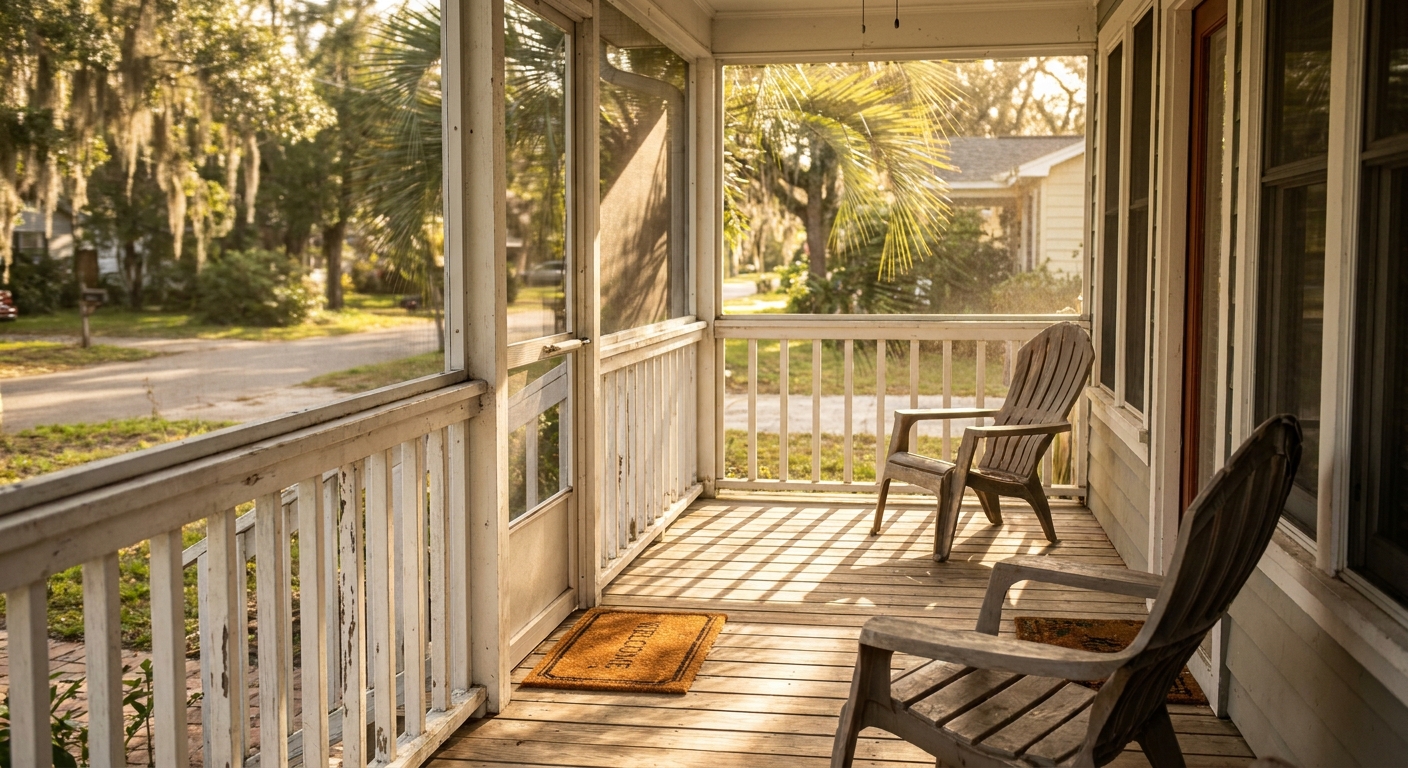
When you assess a facility’s physical environment, look beyond marketing photography. Ask whether the property is a standalone residential campus or embedded in a commercial complex. Ask whether outdoor space is accessible and used as part of clinical programming, not just for breaks between groups.
Who christian rehab in palm springs serves
Christian rehab in Palm Springs serves adult men, 18 and over. This is a male-only setting, and that distinction is clinically intentional.
A 2013 study published in the Journal of Substance Abuse Treatment, analyzing outcomes across 74,000 admissions, found that gender-specific treatment produced significantly better outcomes for men with co-occurring substance use and mental health disorders. Men in mixed-gender settings reported higher levels of performance anxiety in group therapy, lower rates of trauma disclosure, and more superficial engagement with the therapeutic process. Single-gender environments remove those barriers directly.
Co-occurring disorders deserve plain-language clarity. When a program talks about dual diagnosis, it means the client arrives with both a substance use disorder and at least one underlying mental health condition, most commonly depression, generalized anxiety disorder, trauma, or PTSD. These conditions drive each other. Alcohol numbs anxiety. Stimulants temporarily lift depression. Opioids blunt the sensory overload of untreated PTSD. Treating the addiction without treating the underlying condition is why so many men return to treatment two, three, or four times without lasting results.
The typical client profile in a Palm Springs Christian rehab carries commercial PPO insurance or pays privately. Many have completed prior treatment attempts, sometimes multiple, and are looking for a structured program that holds them accountable at a deeper level than their previous experience. They often arrive referred by a family member or an outpatient provider who recognized that a higher level of residential care, anchored in both clinical rigor and faith, was the missing piece.
Core clinical services offered
SAMHSA’s 2021 National Survey on Drug Use and Health reports that only 13% of adults who needed substance use treatment in the previous year actually received specialty care. Of those who did receive care, outcomes were substantially better in programs that combined evidence-based clinical modalities with peer and community support structures. Quality Christian rehab integrates both.
Medical detox and stabilization
A 2010 Cochrane Review examining 64 randomized controlled trials found that medically supervised withdrawal management reduced severe complication rates by more than 50% compared to unassisted detox attempts. Withdrawal from alcohol, benzodiazepines, and opioids carries genuine medical risk. Attempting it without clinical oversight is dangerous.
Medically supervised detox typically runs three to seven days depending on the substance, the duration of use, and individual physiology. During that window, a clinical team monitors vital signs, administers medication-assisted support where appropriate, and manages physical symptoms so the client can enter the therapeutic phase in a stabilized condition. Before enrolling in any program, confirm that on-site medical monitoring is available 24 hours a day during detox, not just during business hours.
Individual and group therapy
A 2020 meta-analysis published in JAMA Psychiatry, covering 53 randomized trials and more than 11,000 participants, confirmed that Cognitive Behavioral Therapy (CBT) produces durable reductions in substance use across all major drug categories. Faith-integrated programs that embed CBT within a biblical worldview find that the combination addresses both behavioral patterns and the meaning structures that sustain them.
One-on-one sessions give you space to work through specific history, trauma, and personal drivers without an audience. Group work does something different: it builds the experience of being known, accepted, and held accountable by peers who share your struggle. In a same-gender, faith-grounded group, disclosure accelerates because the social risk is lower and the shared frame of reference is higher. Both formats are necessary. Neither replaces the other.
Dual diagnosis treatment
A 2014 NIDA review of treatment outcomes found that clients with co-occurring mental health disorders who received integrated dual diagnosis treatment were twice as likely to maintain sobriety at 12 months compared to those who received addiction treatment alone, with no concurrent mental health care. Treating one condition while ignoring the other consistently produces the worse outcome.
Dual diagnosis treatment means a licensed mental health clinician, not only a certified addiction counselor, is actively involved in your case. The distinction matters. A licensed clinical social worker (LCSW) or licensed mental health counselor (LMHC) can diagnose and treat psychiatric conditions. A certified addiction counselor, without those clinical licenses, cannot. When you call a program, ask specifically whether a licensed mental health clinician reviews each client’s case and participates in treatment planning. If the answer is vague, that is a signal.
Faith-based programming and biblical counseling
A 2018 analysis published in the American Journal of Drug and Alcohol Abuse reviewed 84 studies on spirituality and addiction recovery, finding that spiritual engagement was one of the strongest independent predictors of sustained sobriety at 12 and 24 months, stronger than income, employment status, or prior treatment history. The mechanism, as researchers noted, involves hope orientation, community accountability, and a sense of transcendent purpose that buffers against relapse triggers.
Biblical counseling in a quality program looks like this week to week: structured scripture study connected to recovery themes, one-on-one sessions with a pastoral counselor who holds a recognized credential or ordination, and 12-step work reframed within Christian principles. The integration point is that grace, forgiveness, and redemption are not metaphors in this context. They are active therapeutic tools that address shame, which is one of the primary drivers of relapse.
The difference between genuine faith integration and surface-level chapel attendance is measurable. Ask programs specifically how many hours per week are devoted to faith-based programming versus clinical therapy, and how those two tracks are connected. A program where pastoral staff and clinical staff hold joint case reviews is a meaningful indicator of genuine integration. If you want a broader look at what authentic faith integration actually looks like in practice, that context is worth reviewing before your first admissions call.
Holistic and experiential therapies
A 2018 study published in the Journal of Substance Abuse Treatment, following 186 residential clients over six months, found that participants in structured physical activity programs showed a 37% reduction in self-reported craving intensity and significantly lower cortisol levels at 30 days compared to those with unstructured recreation time. Physical activity functions as a clinical intervention, not merely a schedule filler.
In South Florida’s climate, structured holistic programming can include yoga, mindfulness-based stress reduction, fitness training, and outdoor activity that would be impractical in northern climates for much of the year. When assessing a program’s holistic offerings, ask whether physical activity appears in the clinical schedule as a prescribed component of care, or whether it is listed as optional recreation. The answer tells you something about how seriously the program treats the whole-person model it likely advertises.
The role of family in christian rehab
A 2015 study in Drug and Alcohol Dependence, analyzing 1,726 clients across 30 residential programs, found that active family involvement during treatment was associated with a 29% increase in 12-month sobriety rates. Family participation is not an emotional bonus. It is a clinical variable with measurable impact on whether the person sitting across from you stays sober after discharge.
For the family member reading this: your role is not to monitor or manage. It is to understand. Quality family programming in a Christian rehab includes structured education about addiction as a disease, guidance on enabling patterns, and facilitated therapy sessions that address relational dynamics without placing blame. Biblical frameworks for forgiveness and restoration often provide the relational language that secular family therapy does not offer.
Ask any program directly whether family therapy is included in the base treatment plan or billed as a separate service. Ask how many family sessions are standard across a 30 or 45-day stay, and whether those sessions are led by a licensed clinician. If family engagement is treated as an afterthought rather than a scheduled clinical service, that reflects on the program’s depth.
Insurance and private pay: what to expect
According to KFF’s 2023 Employer Health Benefits Survey, out-of-network PPO benefits remain the most flexible coverage path for residential addiction treatment, allowing clients to access programs outside their insurer’s contracted network with partial reimbursement. The practical implication is that your commercial PPO insurance may cover a meaningful portion of residential treatment even at a facility that does not participate in your plan’s network.
Here is how the verification process works in practice. The facility’s admissions team contacts your insurer, confirms your benefits, and obtains an estimate of what your plan will cover. Single-case agreements, where an insurer agrees to pay out-of-network rates for a specific client’s stay, are more common than most people realize and are worth requesting directly. HMO plans operate differently, typically requiring in-network referrals and providing little to no out-of-network flexibility for residential care.
The concrete action: call the admissions team with your insurance card in hand. Ask specifically what your out-of-pocket maximum exposure is under your plan, what the expected daily rate is, and whether the program has worked with your insurer before. Get those numbers before agreeing to anything.
Levels of care: residential, PHP, and IOP explained
The American Society of Addiction Medicine (ASAM) publishes and regularly updates its Patient Placement Criteria, the clinical standard used across the United States to match individuals to appropriate levels of care based on six assessment dimensions including intoxication risk, medical conditions, and recovery environment.
Residential treatment, ASAM Level 3.5 or 3.7, is 24-hour structured care in a live-in setting. It is the appropriate starting point for most clients with moderate to severe addiction, co-occurring disorders, or unstable home environments. Stays typically run 28 to 90 days depending on clinical progress. Partial Hospitalization (PHP), ASAM Level 2.5, provides intensive structured programming five to six days per week while the client sleeps off-site, often in a sober living home. It typically follows residential and runs three to six weeks. Intensive Outpatient (IOP), ASAM Level 2.1, involves structured group and individual therapy nine to 15 hours per week, allowing the client to live at home or in supportive housing while maintaining employment or family obligations.
Quality programs step clients down through these levels in sequence, transitioning based on clinical readiness rather than insurance authorization timelines. Abrupt discharge from residential directly to independent living, with no step-down structure, is a known predictor of relapse. Before admission, ask any program to show you their step-down protocol in writing.
How to evaluate a christian rehab program: key questions to ask
SAMHSA’s Treatment Improvement Protocol 57 identifies accreditation status, staff licensure, and aftercare planning as the three strongest structural predictors of program quality. The fastest way to filter out low-quality programs is to verify accreditation before you ask anything else. That single filter removes a significant portion of the market immediately.
Five questions to bring to every admissions call: Is the program accredited by The Joint Commission or CARF? What are the licenses held by the clinical staff treating my case? What is the client-to-staff ratio during programming hours? What is the standard length of the program, and what determines discharge readiness? What does the aftercare plan include on day one after discharge?
Accreditation and licensing
Joint Commission and CARF accreditation signal that a program has undergone independent review against national treatment quality standards. These are not honorary designations. They require documented clinical protocols, staff credentialing standards, quality improvement processes, and regular re-accreditation surveys. A program without either is operating outside the standard of accountability that accreditation represents.
Florida’s Department of Children and Families (DCF) licenses all substance use disorder treatment programs operating in the state. You can verify a program’s license on the Florida DCF licensing database before scheduling a tour. A current, active DCF license is the floor. Accreditation is the ceiling.
Staff credentials and christian integration
A 2016 study in Psychiatric Services found that client-to-staff ratios below 6:1 during group programming were independently associated with better six-month outcomes across residential addiction programs. Ratio matters because it determines how much individual clinical attention any given client receives.
Know the difference between the credentials you are likely to encounter. A Licensed Clinical Social Worker (LCSW) and a Licensed Mental Health Counselor (LMHC) are both master’s-level clinicians licensed to diagnose and treat mental health conditions. A Certified Addiction Counselor (CAC) or Certified Addictions Professional (CAP) specializes in substance use treatment but does not hold the same diagnostic authorization. Pastoral or biblical counseling staff should hold either a recognized theological credential or ordination from an established Christian tradition, not simply a job title. Ask for a staff roster with credentials attached before you commit.
Red flags to avoid in addiction treatment
The U.S. Department of Justice has specifically documented Palm Beach County as a national epicenter for patient brokering and body brokering schemes, practices where individuals are paid to recruit clients into treatment programs regardless of clinical appropriateness. A 2017 federal investigation in South Florida identified more than 30 fraudulent treatment operations in Palm Beach County alone, resulting in multiple criminal prosecutions. This history is the reason you need to approach this market with specific vigilance.
The warning signs are concrete. If a program contacted you first, through a call, a text, or an approach from someone in a recovery meeting, that is a red flag. If a recruiter offers to cover your travel costs, waive your copay, or provide gift cards in exchange for attending a specific program, that is illegal patient brokering. If a program cannot provide its DCF license number and Joint Commission or CARF accreditation number immediately on request, walk away. Vague program descriptions, pressure to decide quickly, and the absence of a formal clinical intake process are all disqualifying signals.
The action here is simple: if a program reaches out to you first or offers financial incentives to enroll, end the contact and verify any program’s credentials through official state and accreditation databases before giving your insurance information to anyone. Understanding what distinguishes legitimate faith-integrated programs in South Florida from fraudulent ones is the first protective step.
Aftercare and long-term sobriety planning
A 2014 study in the Journal of Substance Abuse Treatment, following 1,083 clients across 12 residential programs for 12 months post-discharge, found that clients who engaged with a formal aftercare plan in the first 30 days after discharge were 2.3 times more likely to maintain sobriety at one year than those who did not. Discharge is not the finish line. It is the highest-risk point in the recovery timeline.
A quality aftercare plan includes a specific referral to a PHP or IOP program within the client’s home area or in a local sober living environment, a connection to an alumni community or ongoing pastoral support, and scheduled follow-up contact from the treatment team at defined intervals. The Christian rehab context adds a particular resource here: connection to a local church community with recovery-oriented programming provides accountability and belonging in the months after discharge when both are most needed.
The practical step is this: before enrolling, ask the program to describe exactly what happens on day one after discharge. If the answer is a generic “we’ll refer you to outpatient resources,” press for specifics. Which outpatient provider? In which location? Who makes that call? Programs with genuine aftercare infrastructure can answer those questions without hesitation. For men in the Palm Beach County area specifically, options for structured support near Lake Worth are worth exploring as part of your step-down plan.
What to do this week
One action. This week, not next month. Call one accredited Christian rehab in Palm Springs, Florida, with your insurance card in front of you and the five questions from the evaluation section written down: accreditation status, staff licensure, client-to-staff ratio, program length, and aftercare plan.
You are not committing to anything on that call. You are gathering information with the specific questions that distinguish programs that will hold you or someone you love accountable for long-term recovery from programs that will not. The difference between researching indefinitely and actually entering treatment is usually one phone call made with enough preparation to trust what you hear. Make that call this week.
Frequently asked questions
What is christian rehab and how is it different from a standard residential program?
Christian rehab integrates faith-based principles, including biblical counseling, scripture study, and pastoral care, directly into the clinical treatment model. The difference from a standard residential program is structural: faith shapes how therapy is conducted, not just what happens during optional chapel hours. Evidence-based modalities like CBT and dual diagnosis treatment are present in both settings, but in a Christian program they operate within a framework of grace, accountability, and redemptive purpose.
Does christian rehab require me to be a practicing christian to enroll?
Requirements vary by program. Some programs require a Christian faith commitment. Others, including programs with a dedicated faith-based track alongside standard clinical care, allow clients who are spiritually curious or open to faith as a framework to enroll without a pre-existing religious commitment. Ask any program directly what they expect from clients regarding faith participation before enrollment.
Is christian rehab in palm springs, florida available to women?
The program context described in this guide serves adult men only, 18 and over. This is a male-only setting. Women seeking faith-based residential treatment should look for programs in South Florida specifically designed for female clients.
Does commercial PPO insurance cover christian rehab?
Out-of-network commercial PPO plans typically provide partial coverage for residential addiction treatment, including programs at Christian rehabs. The exact benefit depends on your specific plan, your out-of-pocket maximum, and whether the facility can negotiate a single-case agreement with your insurer. Verify your benefits directly with the facility’s admissions team before assuming coverage.
How long does christian residential rehab typically last?
Most residential programs run 28 to 90 days. Length is determined by clinical progress across ASAM assessment criteria, not by a fixed calendar. A quality program steps clients down from residential into PHP and then IOP based on readiness, rather than discharging at a fixed date regardless of where the client is clinically.
What should I look for in a palm springs christian rehab’s aftercare plan?
A quality aftercare plan names a specific step-down level of care (PHP or IOP), identifies a provider or sober living referral in the client’s area, connects the client to an alumni or pastoral support community, and includes scheduled follow-up contact from the treatment team at 30, 60, and 90 days post-discharge. If a program cannot describe its aftercare plan in those specific terms, treat that as a warning sign.