


Finding the right cocaine rehab in South Florida takes more than a Google search and a phone call. This guide gives you a precise framework for evaluating programs, asking the right questions, and recognizing the warning signs that separate serious clinical care from facilities that treat addiction as a billing opportunity.
Why south florida and why now
According to the Florida Department of Children and Families, cocaine-related treatment admissions in Florida have increased steadily over the past several years, with South Florida counties, including Palm Beach, Broward, and Miami-Dade, accounting for a disproportionate share of statewide stimulant use cases. That concentration of need has driven a corresponding concentration of specialized programs, making the region one of the most resourced places in the country to find serious cocaine addiction treatment.
The timing matters because addiction treatment works best when the window of willingness is open. Research published in the journal Drug and Alcohol Dependence consistently shows that treatment engagement during a moment of personal crisis, rather than at a scheduled future date, produces significantly better long-term outcomes. If you or someone close to you is ready now, that readiness is itself a clinical asset.
South Florida also offers something that’s harder to quantify: a genuine psychological reset. Leaving your home environment removes the triggers, social networks, and daily patterns that reinforce cocaine use. The combination of climate, structured programming, and distance from familiar surroundings is part of why men from across the country choose Palm Beach County and surrounding areas for residential recovery. That said, geography alone doesn’t make a program good. The rest of this guide is about finding one that actually is.
What cocaine does to the brain (and why generic rehab fails)
A 2021 study published in Nature Neuroscience by researchers at the Icahn School of Medicine at Mount Sinai examined dopamine receptor density in long-term cocaine users. The findings showed that cocaine use causes measurable downregulation of D2 dopamine receptors, producing a baseline state of anhedonia, the inability to feel pleasure without the substance, that persists for weeks to months after last use. This is not a character flaw. It is a neurological condition requiring targeted clinical intervention.
What this means in practice: cocaine addiction is categorically different from opioid or alcohol use disorder in its mechanism, its withdrawal profile, and its treatment needs. Opioid dependence involves a physical withdrawal syndrome that medication can directly address. Cocaine withdrawal is primarily psychological, featuring severe depression, fatigue, hypersomnia, and cravings that peak and resurface in waves over an extended period.
A program built around a generic 12-step-plus-group-therapy model, without specific protocols for stimulant use disorder, is not built for what cocaine does to the brain. When you call an admissions team, ask directly: “Does your clinical model specifically address stimulant use disorder, or is it the same program for all substances?” The specificity of the answer tells you a great deal about the program’s clinical depth. For a broader look at the stages of cocaine addiction and what treatment involves, that context helps you evaluate what any program claims.
The core treatment components to look for
The National Institute on Drug Abuse identifies several evidence-based components that predict positive outcomes in cocaine use disorder treatment. Understanding these before making any call gives you a buyer’s framework, not just a list of amenities to compare.
Medical detox and stabilization
Cocaine withdrawal is rarely life-threatening, but calling it “just psychological” understates how severe it is. A 2020 study in Addictive Behaviors examining post-acute withdrawal syndrome (PAWS) in stimulant users found that protracted withdrawal symptoms, including depression, cognitive impairment, and intense craving cycles, persist for up to 24 weeks after cessation in heavy users. The first 72 hours are particularly acute.
Ask any program directly whether they have 24/7 medical staff available during the initial stabilization period and whether their detox protocol is specific to stimulant withdrawal. A general medical detox model adapted from opioid or alcohol protocols is not the same thing. You want a clinical team that understands stimulant crash physiology and is equipped to manage the psychiatric symptoms that accompany it, not just monitor vitals.
Evidence-based behavioral therapies
A 2016 Cochrane Review analyzing psychosocial interventions for cocaine use disorder, drawing on 48 randomized controlled trials, identified Cognitive Behavioral Therapy (CBT) and Contingency Management as the two interventions with the strongest evidence base for cocaine-specific outcomes. CBT addresses the thought patterns and behavioral triggers that drive cocaine use. Contingency Management uses structured positive reinforcement to build new behavioral patterns during early recovery.
Ask the admissions coordinator to name the specific therapy modalities the program uses and how often individual therapy sessions occur per week. If the answer is vague, or if the program describes primarily group-based programming with minimal individual clinical hours, that’s a signal the model is more social than clinical. Two to three individual therapy sessions per week is a reasonable minimum for a serious residential program.
Dual diagnosis treatment for co-occurring conditions
A 2019 SAMHSA report on co-occurring disorders found that roughly 50 percent of individuals with a substance use disorder also meet criteria for at least one mental health condition. Among cocaine users specifically, anxiety disorders, ADHD, and depression are particularly common, and in many cases the cocaine use developed partly as self-medication for an undiagnosed condition.
Treating the addiction without addressing the underlying condition is how relapse happens. Confirm that any program you consider employs licensed psychiatrists, not just counselors or therapists, who can conduct a formal psychiatric evaluation and prescribe medications when clinically indicated. A program staffed entirely with counselors and no psychiatric oversight cannot adequately treat a dual-diagnosis presentation. This is especially relevant if you’ve noticed mood or attention symptoms that existed before cocaine use began.
Peer environment and facility culture
A 2019 study in Substance Abuse Treatment, Prevention, and Policy found that the social environment within a treatment setting, specifically the peer group composition and the quality of therapeutic alliance, was among the strongest predictors of 6-month sobriety rates. Who you recover alongside matters.
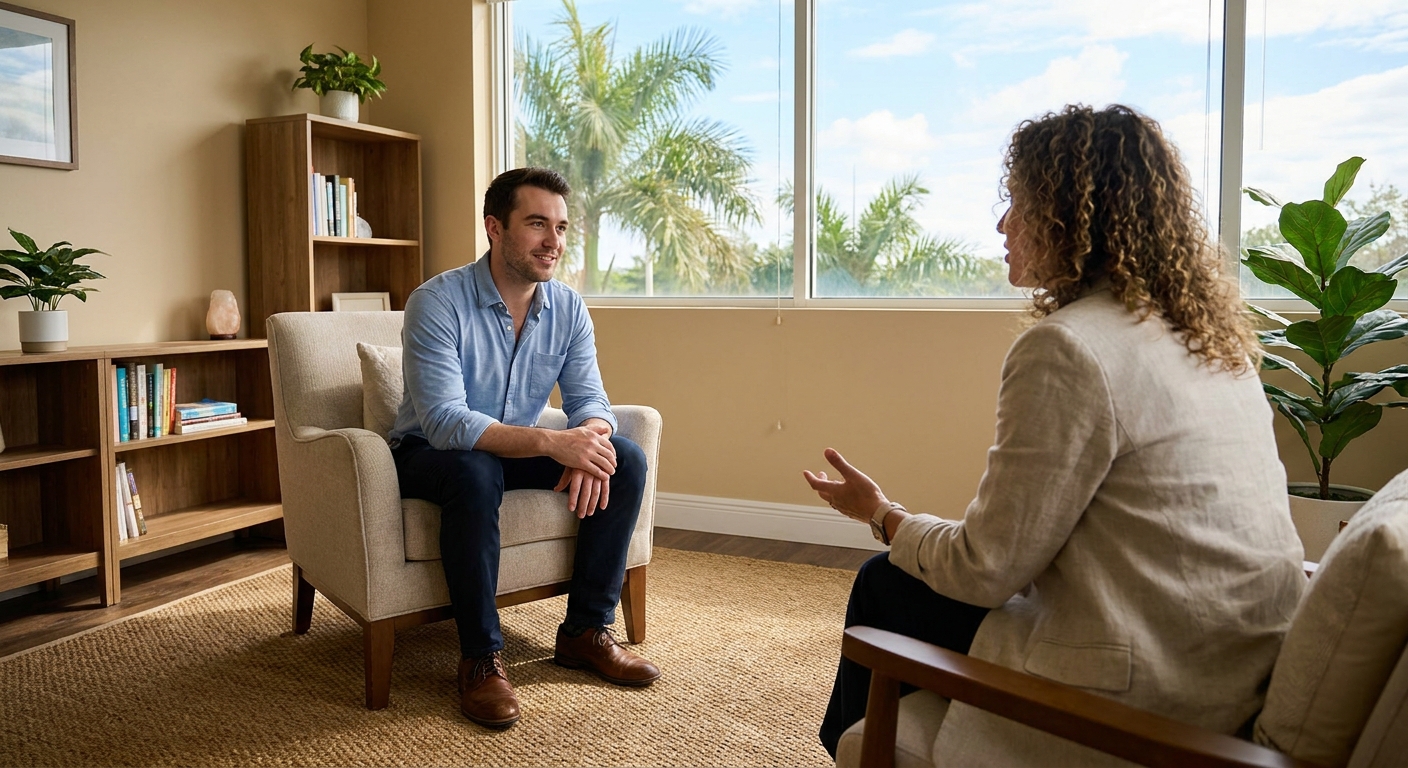
A male-only environment removes a layer of social distraction that commonly interrupts the recovery process in mixed-gender programs. It also creates conditions where men are more likely to engage honestly in group therapy, address trauma, and build peer accountability without the relational dynamics that shift behavior in coed settings. Ask specifically about the demographic makeup of current clients and how the program structures peer community, including group therapy ratios, structured recreational time, and alumni engagement. A program with a strong alumni network is a program that produces recoveries people want to stay connected to.
How to evaluate a south florida program: the right questions to ask
The quality of a program’s answers to basic clinical questions is itself diagnostic. A facility that fumbles when asked about its therapy model, staff credentials, or relapse protocol is showing you something important. NIDA’s Principles of Drug Addiction Treatment outlines several quality indicators for residential programs; most reputable facilities can speak to these directly without hesitation.
Accreditation and licensing
Look for Joint Commission (JCAHO) or CARF accreditation, and confirm state licensure through the Florida Department of Children and Families. These are not just administrative checkboxes. JCAHO and CARF accreditation require programs to meet documented standards for clinical quality, safety protocols, and staff credentials. An unlicensed program in Florida is a disqualifying red flag, regardless of how professional the website looks or how persuasive the intake coordinator sounds.
Staff credentials and ratios
The credentials that matter: Licensed Clinical Social Workers (LCSW), Certified Addiction Professionals (CAP), physicians (MD or DO), and Advanced Practice Registered Nurses (APRN) with psychiatric training. A staff-to-client ratio below 1:6 for clinical staff in a residential setting is a reasonable standard. Higher ratios mean less individualized attention and more generic programming. A 2017 study in Psychiatric Services found that higher staff-to-patient ratios in residential SUD treatment were significantly associated with better retention and completion rates.
Length of stay and program structure
NIDA’s research is unambiguous on this point: treatment episodes shorter than 90 days produce substantially worse outcomes than longer stays for most substance use disorders, including cocaine. A 2014 analysis published in Drug and Alcohol Dependence confirmed that 90-day residential stays produced significantly higher rates of sustained abstinence at 12 months compared to 28-30 day programs. Be skeptical of any program that presents a 30-day residential stay as a complete solution for cocaine use disorder. Ask what the recommended length of stay is and, equally important, what the aftercare plan includes on discharge day.
Insurance and private pay options
If you hold a commercial PPO insurance plan, you likely have out-of-network mental health and substance use disorder benefits. Call your insurance carrier before signing anything, and have the facility’s NPI number ready. Ask your carrier specifically for your out-of-network deductible, your out-of-network coinsurance rate, and whether the facility type (residential versus PHP versus IOP) is covered under your plan. Many South Florida programs work with out-of-network benefits and have billing staff who can help you navigate the verification process. Get the numbers in writing before admission.
Red flags that signal the wrong program
Florida has a well-documented history of patient brokering abuses in the addiction treatment industry. A 2017 Palm Beach Post investigation and subsequent Florida legislative findings documented widespread “body brokering” practices, where recruiters were paid per-patient fees to steer individuals into substandard facilities focused on insurance billing rather than clinical outcomes. Florida enacted the Patient Brokering Act (Florida Statute 817.505) specifically to address this, but the incentive structures that created the problem haven’t disappeared entirely.
Aggressive recruitment tactics
Unsolicited contact from a facility representative, offers of free flights or luxury accommodations as the primary pitch, or promises about outcomes that no ethical clinician would guarantee are all warning signs. A legitimate program leads with its clinical philosophy and staff credentials. One that leads with amenities and convenience is telling you something about its priorities. If a recruiter calls you without a prior inquiry, ask directly how they obtained your information. The answer may end the conversation for you.
Vague or evasive clinical answers
Three questions every legitimate program should be able to answer immediately and specifically: What are the specific therapy modalities used, and how often does individual therapy occur per week? Does the program employ licensed psychiatrists who can assess and treat co-occurring mental health conditions? What is the protocol if a client relapses during residential treatment? If an admissions coordinator deflects, generalizes, or escalates to a sales pitch instead of answering directly, treat that as a clinical red flag.
Lack of aftercare planning
A 2018 study in the Journal of Substance Abuse Treatment found that alumni who participated in structured aftercare programming, including outpatient therapy, 12-step or peer support groups, and case management, maintained sobriety at nearly twice the rate of those discharged without a structured plan. Cocaine craving cycles extend well past the residential phase. A program that treats discharge as a finish line rather than a transition point is not serious about long-term outcomes. If choosing between different levels of care feels confusing, the aftercare question applies there too: the structure after acute treatment is often what determines whether recovery holds.
What the right south florida program actually looks like
For an adult man with a cocaine use disorder, a possible co-occurring condition like depression or ADHD, and commercial PPO insurance or private pay capacity, the right program looks like a specific intersection of qualities, not a generic list of amenities.
The clinical model addresses stimulant use disorder specifically, not as a variation on a general addiction protocol. The program employs licensed psychiatrists who conduct a real diagnostic evaluation within the first few days. Individual therapy occurs multiple times per week, not just in group settings. The facility is licensed by Florida DCF and holds JCAHO or CARF accreditation. The length-of-stay recommendation is grounded in clinical assessment, not insurance authorization timelines. And the aftercare plan is developed before discharge, not handed to you on your last day.
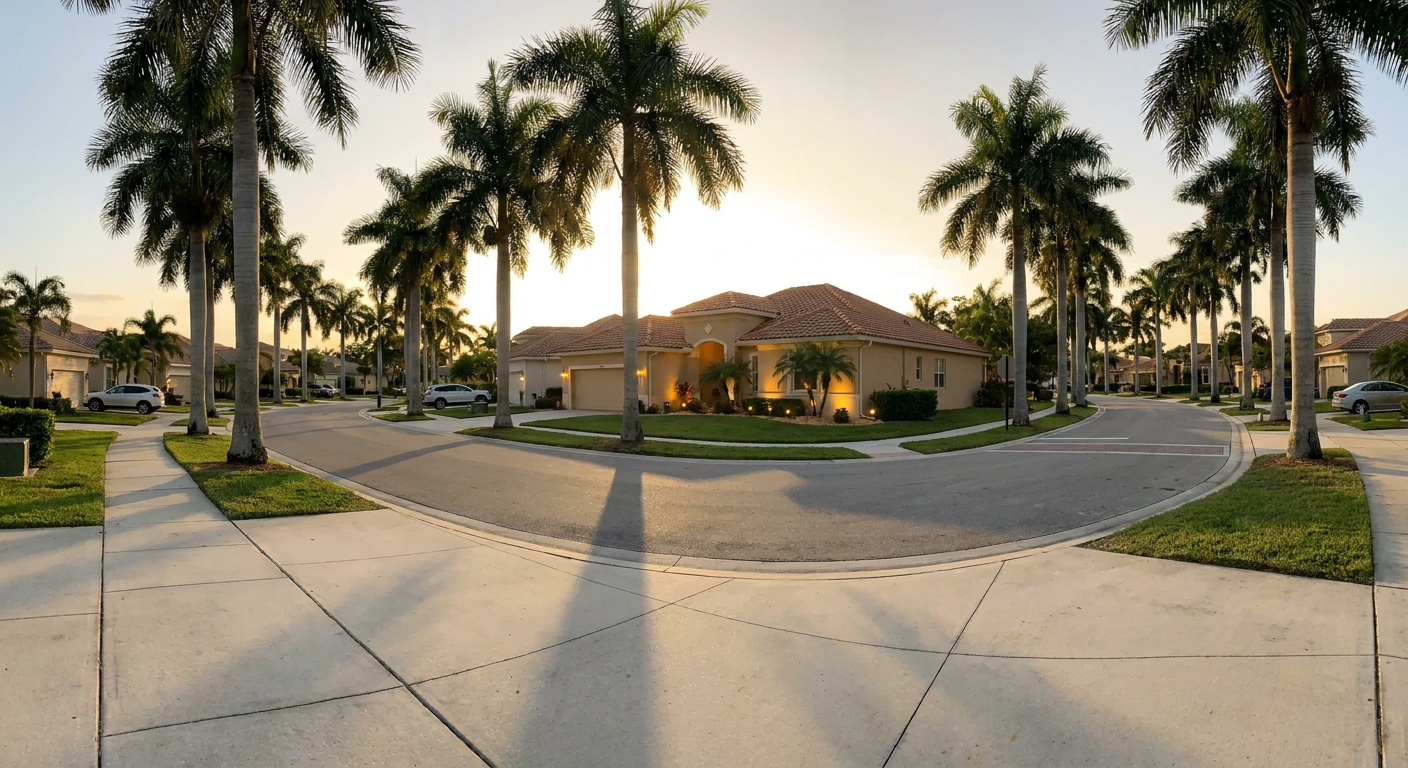
For men drawn to the Palm Beach County area, the environment itself supports recovery. A structured, residential setting near Lake Worth or Palm Springs, away from the triggers and relationships of home, provides the psychological separation that makes early sobriety more achievable. A 2020 study in Addiction Science and Clinical Practice found that residential treatment outside a client’s home region was associated with better 90-day outcomes, particularly for clients with dense social networks tied to drug use.
The peer environment matters too. Being surrounded by men doing serious recovery work, in a facility with a culture of honesty and accountability rather than just occupying time, is not a minor variable. It shapes what recovery feels like in those first weeks, when the neurological deficit left by cocaine is at its deepest. If stimulant addiction is part of a broader pattern, it’s worth knowing that what meth addiction treatment looks like shares several clinical parallels with cocaine recovery, and some men are managing both.
What to try this week
Call one program today and ask these three questions: What specific therapy modalities do you use for cocaine use disorder, and how many individual sessions per week does a client receive? Does the program have a licensed psychiatrist on staff who conducts psychiatric evaluations and prescribes medication when needed? What is your recommended length of stay for cocaine use disorder, and what does the aftercare plan look like?
The quality of the answers will tell you more than anything on the facility’s website. A program that can answer all three clearly and specifically, without deflecting or pivoting to amenities, is worth continuing the conversation. One that can’t is not the right fit, and knowing that quickly is valuable.
Frequently asked questions
What makes south florida a good location for cocaine rehab?
South Florida has one of the highest concentrations of specialized addiction treatment programs in the country, driven by both the region’s demographics and decades of investment in behavioral health infrastructure. Beyond program availability, the geographic distance from your home environment removes the triggers, relationships, and daily routines that reinforce cocaine use, which is a genuine clinical advantage during early recovery.
How long should a cocaine rehab program last?
NIDA’s research indicates that treatment episodes of at least 90 days produce substantially better outcomes than 30-day programs for cocaine use disorder. Because cocaine’s neurological effects, particularly dopamine dysregulation and post-acute withdrawal symptoms, persist for weeks to months after last use, a shorter stay often addresses only the acute phase while leaving the recovery window incomplete.
Does insurance typically cover cocaine rehab in south florida?
Commercial PPO insurance plans typically include out-of-network mental health and substance use disorder benefits that can apply to residential treatment. The exact coverage depends on your specific plan, deductible, and coinsurance rate. Before admitting to any program, call your insurance carrier with the facility’s NPI number and request a detailed breakdown of your out-of-network SUD benefits in writing.
What is dual diagnosis treatment and why does it matter for cocaine recovery?
Dual diagnosis treatment addresses both a substance use disorder and a co-occurring mental health condition simultaneously. For men recovering from cocaine use disorder, conditions like depression, ADHD, and anxiety are common and often predate or drive cocaine use. A program that treats only the addiction without evaluating and treating underlying psychiatric conditions leaves a significant driver of relapse unaddressed.
How do I know if a south florida rehab is legitimate and not a “body brokering” operation?
Verify licensure through the Florida Department of Children and Families and confirm JCAHO or CARF accreditation directly on those organizations’ websites. Legitimate programs do not use paid recruiters to solicit clients, do not offer free travel or luxury perks as the primary pitch, and can answer specific clinical questions clearly without deflecting. Florida Statute 817.505 prohibits patient brokering; any program that offers referral incentives or uses aggressive unsolicited outreach is violating state law.
Is a male-only cocaine rehab program actually better than a coed facility?
For many men, yes. Research on social environment and therapeutic alliance in addiction treatment consistently shows that peer group composition affects both engagement and outcomes. A male-only setting removes relational distractions common in coed programs and creates conditions where men engage more honestly in group therapy, address trauma more openly, and build peer accountability without the social dynamics that shift behavior in mixed-gender settings.