


According to SAMHSA’s 2023 National Survey on Drug Use and Health, roughly 1 in 3 adults with a substance use disorder also lives with major depression. If you’re searching for depression treatment in Palm Springs, Florida, understanding what separates a clinically serious program from a well-marketed one is the most important decision you’ll make.
Why depression treatment in palm springs demands a higher standard
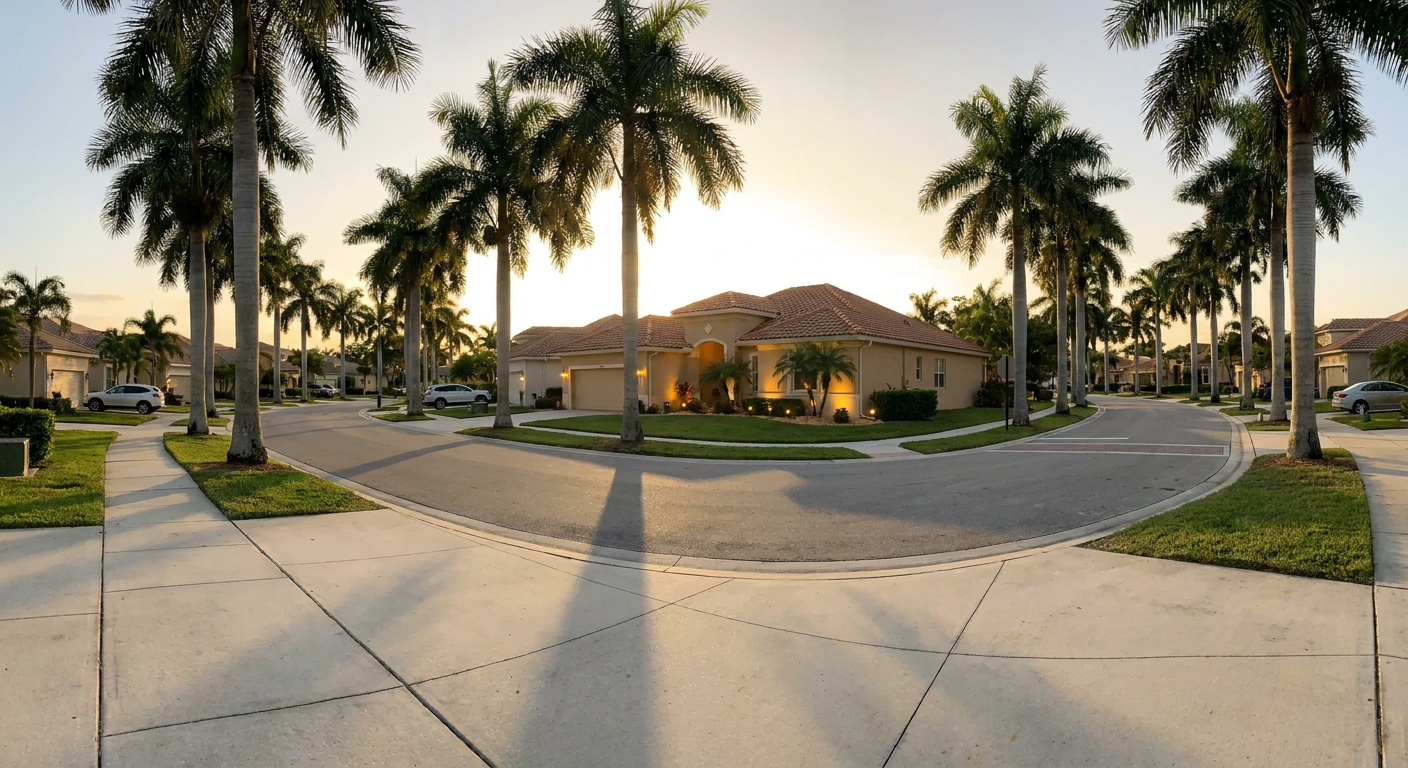
The Palm Springs and Lake Worth area of Palm Beach County draws men seeking real recovery, not just a change of scenery. The draw makes sense: the environment offers structure, distance from daily triggers, and a setting conducive to focused healing. But the destination setting means nothing if the clinical foundation underneath it is weak.
Choosing the wrong program costs more than money, though money is a real consideration. It costs time in your life that doesn’t come back. It costs trust in treatment itself, which makes the next attempt harder. And when depression is in the picture alongside addiction or as a standalone condition, the stakes of getting it wrong compound quickly. Depression is not a side effect to manage around the edges of treatment. It is a primary condition that demands primary clinical attention.
The link between depression and addiction you cannot afford to ignore
A 2019 analysis published in the Journal of Affective Disorders, drawing on data from over 10,000 participants, found that men with alcohol use disorder were 3.7 times more likely to meet criteria for major depressive disorder than men without it. The relationship runs in both directions: alcohol and drugs worsen depression by disrupting the brain’s serotonin and dopamine regulation, and depression drives relapse by making sobriety feel unbearable.
What this means in practice is blunt. Any program that treats only the addiction without systematically addressing the depression is treating half the problem. Depression left unaddressed is one of the strongest predictors of relapse within the first year. Before you end your first call with any facility, ask them directly: how do you screen for co-occurring depression, and who conducts that screening? If the answer is vague or deferred to “after intake,” keep looking.
What “co-occurring treatment” actually means in practice
There is a meaningful clinical difference between integrated dual-diagnosis treatment and what some programs call “co-occurring” care. Sequential treatment means one condition gets addressed first, then the other, usually with different providers. Parallel treatment means both conditions are being handled simultaneously, but by separate teams that may not communicate effectively. Integrated treatment means one coordinated clinical team manages both conditions at the same time, with shared case formulation, shared treatment planning, and unified progress monitoring.
The question to ask is specific: does the same clinical team oversee both the psychiatric care and the addiction treatment, and do they meet together to coordinate that care? If a facility describes two separate tracks that “work together,” that is parallel at best. You want integrated, and a quality program will be able to explain clearly how that works in practice.
The clinical criteria that separate serious programs from marketing noise
SAMHSA’s treatment guidelines identify several non-negotiables for evidence-based depression treatment: a licensed psychiatrist or psychiatric nurse practitioner on site (not on call from a contracted service), individual therapy at a minimum of once per week with a licensed clinician, and structured delivery of modalities with demonstrated efficacy in peer-reviewed research. A 2022 review in Psychiatric Services examined 140 residential programs and found that fewer than half employed a full-time psychiatrist. That is a gap that affects care quality directly.
A beautiful facility with vague clinical descriptions is a red flag, not a selling point. Amenities matter for comfort and motivation, but they do not treat depression. Before committing to any program, request the clinical director’s credentials and ask for a written overview of the treatment plan structure. A serious program provides this without hesitation.
Accreditation and licensing: what the credentials mean for your care
Joint Commission (JCAHO) accreditation and CARF accreditation are the two recognized independent standards in behavioral health. Joint Commission accreditation verifies that a facility meets specific quality and safety standards through regular unannounced inspections. CARF accreditation focuses on outcomes measurement and person-centered care standards. Neither is simply a certificate on a wall; both require ongoing compliance verified by external reviewers.
Florida also requires residential mental health and substance use treatment facilities to hold a license through the Agency for Health Care Administration (AHCA). Verify any facility’s accreditation status on the Joint Commission’s Quality Check database and confirm the AHCA license is active before you schedule a tour. This takes five minutes and eliminates a meaningful category of risk.
Staff-to-client ratios and what the research says
A 2018 study published in the Journal of Substance Abuse Treatment, following 603 residential clients across 12 programs, found that higher therapist-to-client ratios correlated with significantly better depression symptom outcomes at 6-month follow-up. More individualized clinical attention produces better results. That finding is not surprising, but the magnitude was: clients in programs with ratios of 1:6 or better showed 34% greater symptom reduction than those in programs with ratios of 1:12 or higher.
The action here is specific. Do not ask about total staff headcount. Ask for the psychiatrist’s caseload, the primary therapist’s caseload, and how many individual sessions each client receives per week. Those numbers tell you far more than a glossy staff page.
Evidence-based therapies to look for
Three modalities have the strongest evidence base for co-occurring depression and addiction: Cognitive Behavioral Therapy (CBT), Dialectical Behavior Therapy (DBT), and trauma-informed care. A landmark 2017 randomized controlled trial published in JAMA Psychiatry followed 334 men with depression and substance use disorder through CBT-integrated treatment and found a 47% reduction in depressive symptoms at 12-month follow-up compared to standard care.
DBT adds particular value for men who experience emotional dysregulation, impulsivity, or suicidal ideation alongside depression. Motivational Interviewing supports engagement in treatment itself, particularly for men who are ambivalent about change. EMDR (Eye Movement Desensitization and Reprocessing) is worth asking about if trauma is part of the picture, and it often is. The distinction that matters: wellness add-ons like yoga and meditation are valuable supports and can meaningfully reduce stress, but they are not substitutes for licensed clinical therapy. Ask which licensed therapist delivers each named modality, and how many times per week those sessions occur.
How the palm springs setting works for and against recovery
Research published in Environmental Health Perspectives in 2019 found that residential environments with low urban density and access to natural settings reduced cortisol levels by an average of 21% over a four-week period, with corresponding improvements in mood and sleep quality. The Palm Springs and Lake Worth area in Palm Beach County offers those advantages: a quieter, more structured environment, physical distance from the triggers and social networks associated with active addiction, and a routine oriented around recovery rather than daily life demands.
But environment is a delivery mechanism, not a treatment. The setting works when the clinical program is rigorous enough to use the time well. A structured residential week should include daily scheduled therapy commitments, not just scheduled meals and optional activities. When you evaluate any facility in the area, confirm that the residential structure includes mandatory individual and group therapy sessions, not a loose calendar where clinical contact is optional. If you are also weighing whether treatment closer to West Palm Beach might fit your situation better, that article walks through what to look for in a different format.
Insurance, private pay, and getting real about cost
The Mental Health Parity and Addiction Equity Act requires that commercial insurance plans offering mental health benefits do so at parity with medical and surgical benefits. For out-of-network PPO holders, that legal framework is meaningful: your plan cannot apply stricter limitations to residential mental health treatment than it would to a comparable medical admission. A 2021 study from the Milliman Research Group found that out-of-network behavioral health claims were denied at rates 4.5 times higher than equivalent medical claims, which means the obligation exists but requires active navigation.
Before any tour, call the member services number on your insurance card and ask specifically about out-of-network residential mental health and substance use disorder benefits. Ask about your deductible, your out-of-pocket maximum, and whether prior authorization is required. Get a reference number for that call. Programs with strong admissions teams will conduct their own insurance verification, but knowing your own benefits before that conversation puts you in a better position.
Questions to ask about billing transparency
Cost structures at residential programs vary more than most people realize. Some facilities quote a daily rate that covers only the base residential bed, with psychiatric consultations, medication management, and lab work billed separately. Others offer all-inclusive pricing. The difference can be significant over a 30- or 90-day stay.
Ask for a written itemization of everything the quoted rate covers. Specifically ask what is billed separately: medication, individual therapy beyond a base frequency, family sessions, medical evaluations. Ask how the facility handles insurance billing and what the client’s financial responsibility looks like if a claim is partially denied. A facility that cannot provide this in writing before you sign anything is not a facility that has earned your trust yet.
What a strong depression treatment plan looks like week by week
NIDA’s treatment principles establish that for co-occurring depression and addiction, meaningful outcomes require a minimum of 90 days of structured treatment. Short-term programs may stabilize an acute crisis, but the neurological and psychological changes that support sustained recovery take time to consolidate. A 2020 meta-analysis in Drug and Alcohol Dependence found that treatment episodes under 30 days showed no statistically significant improvement in depression outcomes at 6-month follow-up.
A well-structured residential week includes a psychiatric evaluation within the first 72 hours, individual therapy at least twice per week with a licensed clinician, daily group therapy with structured clinical content, medication management check-ins at consistent intervals, and a clear protocol for family contact. Ask the admissions team to walk you through a typical client week in specific terms. If they describe a general philosophy rather than a concrete schedule, that tells you something important about how the program actually runs.
Red flags that signal the wrong program
SAMHSA’s 2022 treatment quality guidance and FTC enforcement actions against fraudulent treatment marketers identify several consistent warning signs. Vague clinical language (“holistic healing” without specifics, “individualized care” without explanation of what that means structurally) is a primary signal. The absence of a full-time licensed psychiatrist on site is a disqualifying factor for any program claiming to treat depression. Inability to explain the depression treatment protocol in plain terms means the protocol is either absent or not understood by the admissions team, which reflects poorly on the program either way.
Pressure tactics in admissions, including urgency framing designed to prevent you from asking questions or comparing options, are a serious warning sign. Quality programs want informed clients. The same applies to aftercare: if a program cannot describe specific step-down planning during the admissions conversation, that is a gap worth taking seriously. Run any facility’s name through Florida’s AHCA license lookup before your first in-person visit. If the license is not current and in good standing, stop there.
Aftercare planning: the part most programs underdeliver
A 2019 study in the Journal of Substance Abuse Treatment, following 891 men through residential treatment, found that clients without a structured aftercare plan were 2.3 times more likely to relapse within 90 days of discharge compared to those with formalized step-down planning. Depression relapse and addiction relapse frequently trigger each other in sequence: a depressive episode reduces coping capacity, which increases vulnerability to substance use, which worsens depression. Breaking that cycle requires continuity of care that extends past the residential stay itself.
Strong aftercare includes a defined step-down to a lower level of care (partial hospitalization or intensive outpatient), scheduled outpatient psychiatric follow-up before discharge, a named continuing-care coordinator, and access to alumni support. For men whose challenges include the relationship between trauma and mental health, that continuity is especially important since trauma symptoms can resurface during the transition out of a structured environment.
Ask the facility what happens on day 31 or day 91. A quality program has a written step-down plan developed with the client before discharge, not assembled in the final days of the stay.
What to do this week
Make two calls. The first is to your insurance company: ask your member services line specifically about out-of-network residential mental health and substance use disorder benefits, confirm whether prior authorization is required, and record the reference number. The second call is to one accredited dual-diagnosis facility in the Palm Springs or Palm Beach County area. During that call, ask three questions from this guide: how is co-occurring depression integrated into the treatment plan, what are the psychiatrist’s and primary therapist’s individual caseloads, and what does the written step-down plan look like at discharge.
One informed call with the right questions is worth more than a dozen facility tours without them. The research is clear, the criteria are specific, and you now have both.
Frequently asked questions
What is the difference between depression treatment and dual-diagnosis treatment in palm springs, FL?
Depression treatment focuses on major depressive disorder as the primary condition, using evidence-based therapies such as CBT, DBT, and medication management. Dual-diagnosis treatment addresses depression alongside a co-occurring substance use disorder simultaneously, within an integrated clinical framework. If depression is your primary concern, a program with strong standalone mental health credentials is appropriate. If addiction is also present, the program must have the infrastructure to treat both conditions together, not sequentially.
How long does residential depression treatment typically last in palm beach county?
NIDA recommends a minimum of 90 days for co-occurring conditions to produce durable outcomes. For depression as a primary condition, treatment length depends on symptom severity, trauma history, and response to the initial clinical approach. Programs offering only 28 or 30-day residential stays are often insufficient for moderate-to-severe depression. Ask any facility how they determine length of stay and what criteria they use to assess readiness for step-down.
Does commercial PPO insurance cover inpatient depression treatment in florida?
Commercial PPO plans that include mental health benefits are required under the Mental Health Parity Act to cover residential depression treatment at parity with medical admissions. Out-of-network benefits vary by plan, but PPO holders typically have the most flexibility to access out-of-network residential care with partial reimbursement. Confirm your specific benefits before admission by calling the member services number on your insurance card and requesting a written summary of your out-of-network behavioral health coverage.
What therapies should a quality depression treatment program offer for men?
Cognitive Behavioral Therapy (CBT), Dialectical Behavior Therapy (DBT), Motivational Interviewing, and trauma-informed care are the modalities with the strongest evidence base for depression in men. EMDR is an evidence-supported addition for men with trauma histories. Each of these should be delivered by a licensed therapist on a consistent schedule, not offered occasionally or as optional programming. Wellness supports like exercise and mindfulness are beneficial complements, but they do not substitute for structured clinical therapy.
How do I verify that a palm springs, FL depression treatment facility is legitimate?
Check accreditation status on the Joint Commission’s Quality Check database and confirm the Florida AHCA license is active through Florida’s health facility lookup tool. Ask for the clinical director’s credentials and license number, which you can verify with the Florida Department of Health. A legitimate program provides this information directly and without hesitation.
Can men travel from out of state for depression treatment in palm springs, florida?
Yes, and many do. The Palm Springs and Lake Worth area in Palm Beach County is a destination for men seeking structured residential treatment away from their home environment. Distance from familiar triggers and social networks can support early recovery significantly. Accredited facilities are experienced in coordinating admissions for out-of-state clients, including insurance verification across state lines and discharge planning that accounts for the return home. Confirm that the aftercare plan specifically addresses continuity of care once you return to your home state.