

Faith-based addiction treatment near Lake Worth, Florida draws men who want more than sobriety , they want recovery that speaks to something deeper. This guide explains exactly what to look for, what to verify, and how to make a confident decision for yourself or someone you love.
What faith-based addiction treatment actually does differently
A 2018 meta-analysis published in the Journal of Substance Abuse Treatment, reviewing 44 studies and more than 7,000 participants, found that spiritual and religious interventions produced significantly better long-term sobriety outcomes than secular treatment alone, with the strongest effects in programs that combined faith with evidence-based clinical care. The mechanism is not mysterious: faith provides a framework for meaning, accountability, and identity that purely clinical models often leave unaddressed.
What this means in practice is that a legitimate faith-based program adds spiritual structure on top of licensed clinical treatment, not in place of it. You still get individual therapy, group counseling, and medical oversight. What changes is the interpretive lens: the 12 steps connect to a higher power, morning routines include prayer or meditation, and the community is held together by shared values rather than just shared circumstance. That distinction separates real faith-integrated treatment from programs that use spiritual language as marketing.
The stakes here are real. If you choose a program based on religious branding and it lacks licensed clinical staff, a credentialed psychiatrist, and evidence-based modalities, you are not getting treatment. You are getting a retreat with better language. The rest of this guide helps you tell the difference.
The clinical foundation you cannot afford to skip
A 2020 report from the National Institute on Drug Abuse found that more than 60% of people seeking addiction treatment have at least one co-occurring mental health condition, most commonly depression, anxiety, or PTSD. A faith-based program that only addresses substance use without evaluating and treating those underlying conditions produces temporary results at best.
Faith-based does not mean faith-only. Any program worth considering near Lake Worth or across Palm Beach County should have licensed clinical staff on-site: licensed mental health counselors, licensed clinical social workers, a psychiatrist or psychiatric APRN for medication management, and addiction medicine physicians or nurses for detox oversight. Evidence-based modalities, specifically cognitive behavioral therapy, trauma-informed care, and motivational interviewing, should be named explicitly in program materials, not implied.
The one concrete question to ask any program before scheduling a tour: “What licensed clinical staff will I work with daily, and what are their credentials?” A quality program answers that question immediately and in detail. Vague answers about “a team of caring professionals” are a red flag.
How to verify a program’s clinical credentials
Florida requires all substance abuse treatment facilities to be licensed by the Agency for Health Care Administration (AHCA). Before making a single call, search the facility on the Florida AHCA provider search tool. A licensed facility will appear with its license number, license type, and status. If a program is not listed, end the conversation there.
Beyond state licensure, look for accreditation from the Joint Commission or CARF (Commission on Accreditation of Rehabilitation Facilities). These bodies audit clinical quality, patient safety, and staff credentials independently. A Florida DCF license, AHCA licensure, and either Joint Commission or CARF accreditation together tell you that a program operates under real oversight, not just good intentions. A program that is accredited and grounded in both spiritual and clinical care will have no hesitation sharing these credentials upfront.
Why a male-only, structured environment accelerates recovery
A 2006 study published in the American Journal of Drug and Alcohol Abuse, examining 2,319 treatment episodes across gender-specific and mixed-gender programs, found that men in gender-specific programs showed significantly higher rates of treatment completion and greater reductions in substance use at the 12-month follow-up. The researchers identified two primary drivers: reduced social distraction and greater willingness to discuss shame-based experiences among peers facing similar issues.
Men process shame and identity differently in mixed-gender settings. The presence of women often activates performance behaviors that work against therapeutic honesty. In a male-only cohort, men are more likely to share the things that actually need to be said: the relapse that cost them their marriage, the addiction they hid for a decade, the depression they never named out loud. That honesty is where real treatment begins.
Day-to-day, a male-only environment means peer accountability among men who understand each other’s experience without explanation, group therapy that can address male-specific patterns around control, emotional suppression, and identity, and structured programming built around how men engage rather than a one-size-fits-all model. When evaluating programs, ask directly: what percentage of your caseload is male, and is your programming specifically designed for men?
The lake worth and palm beach county setting as a therapeutic asset
A 2019 study in Substance Abuse, examining 1,400 adults across six residential programs, found that physical distance from familiar environments tied to substance use was one of the strongest predictors of early-stage sobriety maintenance. The mechanism is straightforward: your home environment contains triggers, relationships, and routines that are neurologically linked to use. Removing yourself from that environment reduces the cognitive load of early recovery.
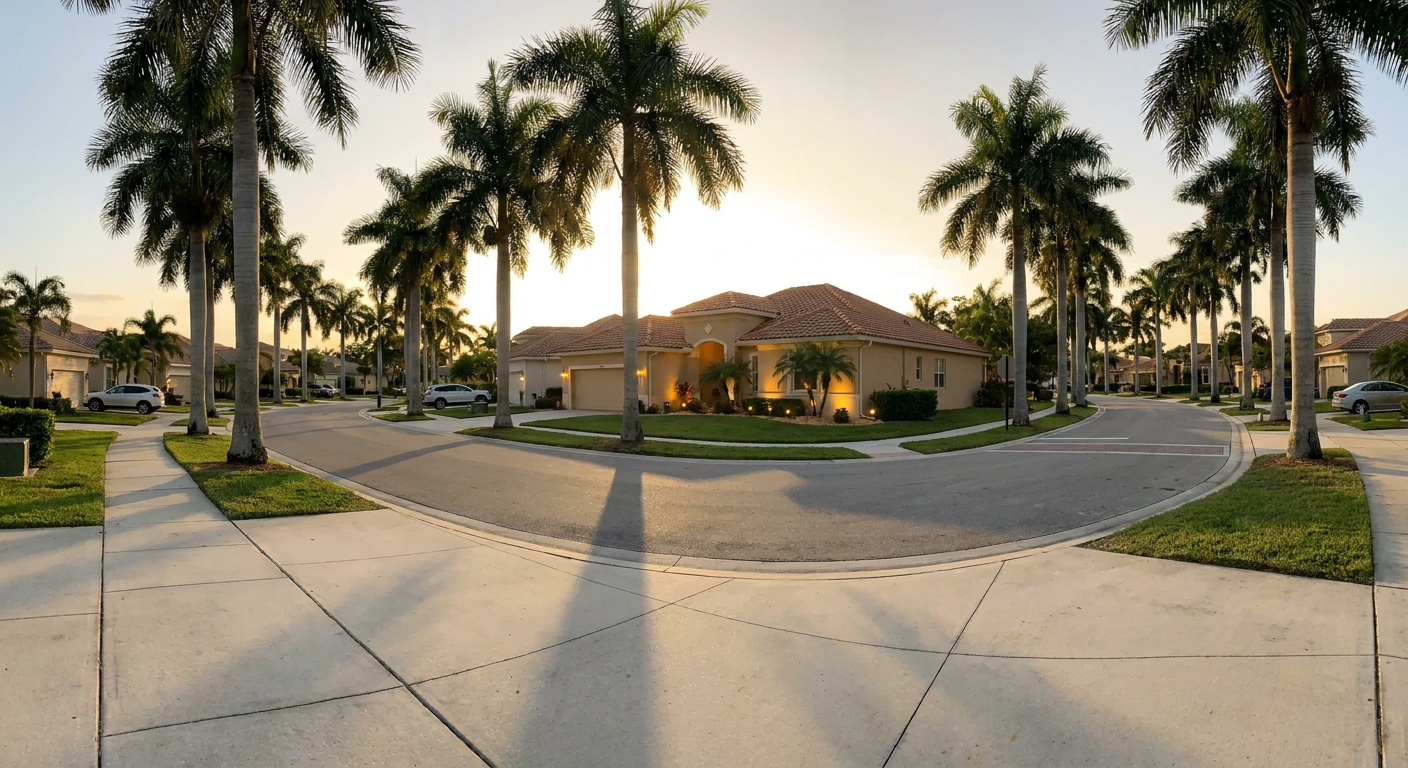
Palm Beach County provides that distance for both Florida residents and out-of-state clients. The climate supports year-round outdoor therapeutic activities, including walking groups, recreational therapy, and beach access, all of which have documented benefits for mood regulation and stress reduction. For out-of-state clients, the destination aspect is practical as well as therapeutic. Most quality programs in the Lake Worth area coordinate travel logistics and handle insurance verification before arrival. If you are calling from another state, ask the admissions team about travel assistance, what to bring, and how the insurance process works remotely before you book a flight.
For those already in South Florida, the range of faith-anchored options across Palm Beach County is broader than most people realize, and proximity to family can be structured into the treatment plan through formal family therapy sessions rather than informal visits that disrupt early recovery.
Matching the right level of care to where you are right now
SAMHSA’s American Society of Addiction Medicine (ASAM) continuum of care defines four primary levels: medical detox, residential treatment (which includes PHP-level programming), partial hospitalization, and intensive outpatient. The right entry point depends on the severity of your current use, your medical history, and whether you have a safe and stable living environment outside of treatment.
Faith-based programs near Lake Worth typically enter clients at the residential or partial hospitalization level. If the last 30 days involved daily or near-daily use of alcohol, benzodiazepines, opioids, or stimulants, residential treatment is almost certainly the right starting point. Honesty about the last 30 days of use is not optional , it determines which level of care the clinical team recommends and directly affects what your insurance will authorize.
Medical detox: the non-negotiable first step for many men
A 2017 review in the New England Journal of Medicine documented alcohol withdrawal mortality rates of up to 5% in untreated cases, with delirium tremens carrying a fatality risk of 5 to 15% without medical intervention. Benzodiazepine and opioid withdrawal carry their own serious physiological risks. Faith and prayer do not prevent seizures. If you have been drinking heavily or using sedatives, medical detox is a safety requirement, not a preference.
Ask any program directly: is medical detox on-site, or does it require a separate facility first? Some faith-based residential programs have medical detox capacity on the same campus. Others require a separate hospital or detox center before admission. Either arrangement can work, but you need to know the logistics before arrival. A program that is vague about its detox protocol should be pressed until you get a clear answer.
Residential and PHP programming: what a structured day looks like
A 2021 study in the Journal of Consulting and Clinical Psychology, following 340 men through residential addiction treatment, found that programs with structured daily schedules produced 34% lower relapse rates at the six-month mark compared to less-structured environments. The researchers described structure as “neurological scaffolding” for a brain in early recovery, reducing decision fatigue and creating predictable patterns that replace the rituals of use.
In a faith-integrated residential program, a structured day typically includes morning prayer or meditation, psychoeducational groups, individual therapy sessions, peer-led accountability groups, 12-step meetings, physical activity, and evening reflection. The spiritual components are woven into the rhythm of the day, not bolted on as an afterthought. Predictability in early recovery is not rigidity. It is the scaffolding that holds everything else up.
How insurance works for faith-based treatment in florida
The Mental Health Parity and Addiction Equity Act of 2008 requires commercial insurance plans to cover substance use disorder treatment at the same level as medical and surgical benefits. For men with out-of-network PPO plans, this matters in a specific way: PPO plans include out-of-network benefits, which means you are not limited to facilities in your insurance network. The out-of-network benefit pays a percentage of the allowed amount after your deductible, and a benefits verification call with the facility’s insurance coordinator tells you exactly what that looks like for your specific plan.
Do not try to navigate insurance verification yourself. The admissions team at any quality facility runs this process daily. Call with your insurance card in hand, give them the member ID and group number, and let them contact the insurance company directly. They will confirm your deductible, out-of-pocket maximum, and what the plan authorizes for residential or PHP treatment. The verification call is free and typically takes 24 to 48 hours. It is the fastest way to know what treatment will actually cost you before making any commitment.
Questions to ask before choosing a faith-based program
A 2013 study in Health Affairs, analyzing 3,700 patients across 14 hospitals, found that patients and families who asked three or more specific questions before admission had 22% better treatment adherence and significantly higher satisfaction with care. The act of asking the right questions changes the dynamic from passive recipient to active participant.
Before your first call with any program, write down at least three of the following: Is the facility licensed by Florida AHCA and accredited by the Joint Commission or CARF? What does “faith-based” mean specifically to this program , is it denomination-specific or broadly spiritual? What is the staff-to-client ratio for daily clinical contact? What evidence-based therapies are used? How is family involvement structured? What does the aftercare plan look like at discharge? What is the typical program length?
The action here is specific: write three questions down before you pick up the phone. Not ten. Three. The goal is to make the call happen rather than postpone it for more research. For a broader view of how to apply these questions in the South Florida context, understanding what Christian-oriented programs in this region offer can sharpen what you are actually looking for before you call.
Red flags that disqualify a program immediately
Florida’s 2017 to 2019 legislative crackdown on patient brokering and sober home fraud resulted in more than 150 arrests and the closure of dozens of fraudulent facilities operating in Palm Beach County. The AHCA has continued enforcement actions since. The fraud worked by funneling addicted individuals into unlicensed facilities that billed insurance for services never rendered or clinically unnecessary.
The warning signs are consistent: a recruiter who guarantees insurance coverage before any clinical assessment takes place, vague or evasive answers about licensed staff credentials, no verifiable physical address, promises of a cure or guaranteed sobriety, and pressure to make a financial commitment before the insurance verification is complete. If a program cannot provide its Florida AHCA license number on request, end the call. That number is public information and any legitimate program knows it immediately.
What aftercare looks like , and why it determines long-term outcomes
NIDA’s research consistently documents addiction relapse rates of 40 to 60% without structured continuing care after residential treatment. With a formal aftercare plan that includes step-down programming, relapse rates drop significantly. The defining variable is not willpower. It is what happens in the 90 days after discharge.
A real aftercare plan from a faith-based program includes a clinical step-down to intensive outpatient or standard outpatient, a referral to vetted sober living if the home environment is not safe for early recovery, connection to an alumni community and ongoing spiritual support, and a named outpatient therapist or psychiatrist before the day of discharge. This is not aspirational language. It is a written document. Before committing to any program, ask for the written aftercare protocol. A quality program has one ready and will walk you through it before your discharge planning even begins.
The next step to take this week
A 2019 analysis from the Substance Abuse and Mental Health Services Administration found that the gap between addiction onset and first treatment contact averages 11 years. Every week that passes without intervention increases neurological entrenchment, health complications, and the erosion of relationships and employment.
Call a faith-based program near Lake Worth today. Have your insurance card in front of you. Ask the three questions you wrote down. The admissions team handles the insurance verification, the clinical assessment, and the logistics. Your job is to make the call. Not to finish researching. Not to wait until Monday. The call is the move.
Frequently asked questions
Is faith-based addiction treatment only for people with strong religious beliefs?
No. The best faith-based programs near Lake Worth offer spiritual programming as one component of a broader clinical treatment plan, not as a requirement for admission. If your recovery is strengthened by faith, a faith-integrated program gives that a formal place in the structure. If you are spiritually open but not affiliated with a specific tradition, most programs in this area are broadly spiritual rather than denomination-specific. Ask the admissions team directly what “faith-based” means to their program before assuming it requires particular beliefs.
What is the difference between faith-based treatment and standard residential rehab?
Standard residential rehab relies entirely on clinical and behavioral frameworks: therapy, medication, peer support, and relapse prevention planning. Faith-based treatment adds a spiritual layer to that same foundation, which may include prayer, scripture study, chaplain services, spiritually oriented 12-step meetings, and values-based group work. The clinical treatment underneath is the same. The difference is the framework through which you interpret your experience and build a sense of purpose in recovery.
Does insurance cover faith-based rehab in florida?
Yes, in most cases. Commercial PPO plans are required under the Mental Health Parity and Addiction Equity Act to cover substance use disorder treatment. Faith-based residential programs that are licensed by Florida AHCA and accredited by the Joint Commission or CARF bill insurance the same way any residential treatment facility does. The faith-based designation does not affect insurance coverage. Call the program’s admissions line with your insurance card , they verify benefits at no cost to you before any commitment is made.
How long does a faith-based residential program typically last near lake worth?
Most residential and PHP-level faith-based programs run between 30 and 90 days, with 60 to 90 days being the standard recommendation for men with moderate to severe addiction and co-occurring mental health conditions. NIDA research shows that treatment episodes shorter than 90 days produce significantly worse long-term outcomes. The right length depends on your clinical assessment at intake, your insurance authorization, and your individual progress. Any program that quotes a fixed length before completing a clinical evaluation is not doing individualized care.
Are faith-based programs in palm beach county exclusively christian?
Not all of them. Some programs are explicitly Christian in their curriculum, incorporating Bible study and Christ-centered 12-step models. Others use a broader spiritual framework that accommodates various faith backgrounds. When you call, ask specifically: “Is this program Christian-based, or is it open to other spiritual traditions?” The answer shapes whether the program is the right fit for your personal beliefs. Programs near Palm Springs and the broader Lake Worth area vary on this point, so clarifying upfront saves time and avoids a poor match.
What should I bring if I am traveling from out of state for faith-based treatment in florida?
Most quality programs provide a packing list at admission confirmation, but the basics are consistent: a week’s worth of comfortable clothing, personal hygiene items (reviewed against the facility’s approved list), any prescription medications in their original bottles, your insurance card and a photo ID, and a small amount of cash for incidentals if the program permits it. Electronics policies vary by facility. Leave anything tied to your old routine , including contacts associated with use , at home. The program’s admissions coordinator handles travel logistics and will walk you through everything before your arrival.