


Choosing an intensive outpatient program in Lake Worth, Florida is one of the most consequential decisions you or someone you love will make. The options are numerous, the marketing language is often identical across programs, and the stakes are too high to get wrong.
What an intensive outpatient program actually is
According to SAMHSA’s 2022 National Survey on Drug Use and Health, fewer than 10 percent of adults who need substance use treatment actually receive it, and one of the most common barriers is the belief that treatment requires stepping away from life entirely. Intensive outpatient programs exist precisely to close that gap.
An IOP is a structured, clinically supervised level of care that typically requires 9 to 20 hours of therapeutic engagement per week, spread across three to five days. You live at home or in a sober living residence rather than an inpatient facility. Sessions include individual therapy, group therapy, psychoeducation, and skills training. The program is rigorous, not casual, and that distinction matters.
The clinical threshold for IOP is defined by the American Society of Addiction Medicine’s placement criteria, known as ASAM criteria. IOP is appropriate when you do not require around-the-clock medical supervision but still need more support than weekly outpatient therapy can provide. It often follows detox or a residential program as the next step in a continuum of care, or it serves as an entry point for men whose clinical presentation does not require inpatient admission. A 2020 study published in the Journal of Substance Abuse Treatment found that IOP produced outcomes comparable to inpatient treatment for clients who did not require medical detox, with the added benefit of allowing real-world skill application during treatment.
Why lake worth and palm beach county make sense as a treatment location
Research on environmental cues and relapse risk is consistent: proximity to the people, places, and situations associated with use significantly elevates the probability of returning to substance use during early recovery. A 2019 study in Drug and Alcohol Dependence tracked 643 adults through 12 months of follow-up and found that clients who received treatment in a geographically distinct environment from their home setting reported lower rates of relapse in the first 90 days post-discharge.
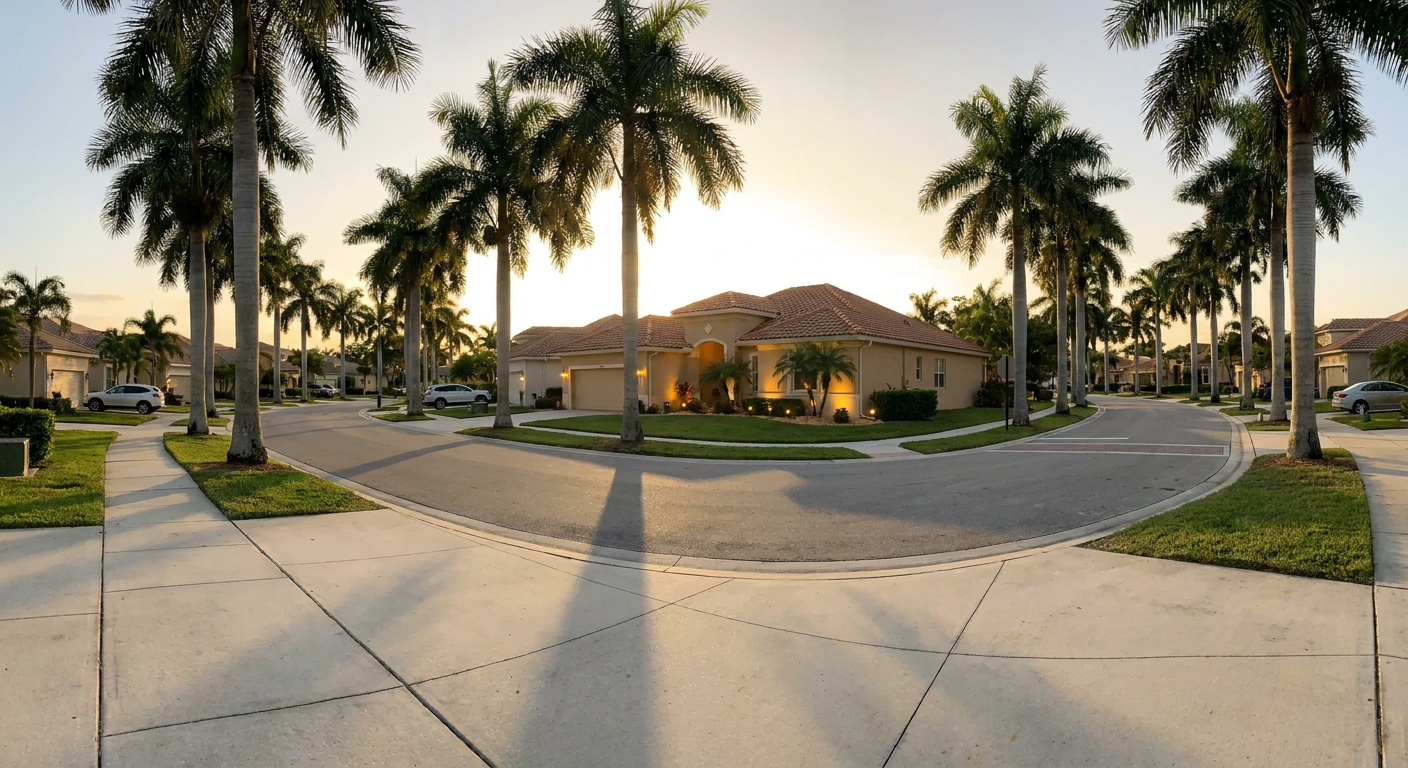
Lake Worth and the broader Palm Beach County area offer something that a clinical office park in your hometown cannot. The coastal environment, the warm climate, and the relative distance from the social networks that sustained addiction all create a neurological and psychological breathing room that supports engagement in treatment. South Florida has one of the most developed recovery ecosystems in the country, with dense networks of sober living residences, peer support groups, alumni communities, and licensed providers concentrated in a relatively small geographic footprint.
For out-of-state clients, this region functions as a destination for structured recovery, not a resort detour. The clinical rigor is real. The setting simply makes it easier to show up for that rigor without the pull of old habits competing for your attention on the drive to group therapy.
The five factors that separate a strong IOP from a weak one
A 2021 report from the National Institute on Drug Abuse identified program quality variables, including staff credentials, modality specificity, dual diagnosis capacity, and aftercare integration, as the primary predictors of treatment outcomes, more predictive than program length alone. Before evaluating any program in Palm Beach County, understand these five criteria.
Clinical staff credentials and licensing
The credentials of the people delivering your care are not a marketing detail. Licensed Clinical Social Workers, Licensed Mental Health Counselors, Certified Addiction Counselors, and psychiatrists for co-occurring conditions represent the baseline of a legitimate program. In Florida, accreditation bodies including the Joint Commission and CARF set standards for staff qualification and clinical oversight that programs can voluntarily pursue. Programs accredited by either body have agreed to external audits of their clinical practices.
A 2019 analysis in Psychiatric Services found that staff-to-client ratios below 1:6 in group therapy settings were associated with meaningfully better engagement and retention outcomes. Before enrolling, ask for the credential sheet for every clinician who will be delivering your care. A quality program makes this information available without hesitation.
Evidence-based treatment modalities
Cognitive Behavioral Therapy, or CBT, works by identifying the thought patterns that drive compulsive substance use and replacing them with more accurate, adaptive responses. Dialectical Behavior Therapy, or DBT, builds distress tolerance and emotional regulation skills. Motivational Interviewing helps resolve ambivalence about change. Trauma-informed care acknowledges that unprocessed trauma is frequently a driver of self-medication.
A 2022 meta-analysis in Addiction Biology reviewed 84 randomized controlled trials and found that CBT-based interventions reduced relapse rates by 40 to 60 percent compared to treatment as usual. The key word is “named.” Programs that can describe their therapeutic approach in specific terms are using those approaches intentionally. Programs that respond with vague language about “holistic care” and “individualized treatment” without naming the frameworks deserve further scrutiny. Ask for a sample weekly schedule. If the schedule lists only “group therapy” without specifying the modality, that is a yellow flag.
Male-only vs. co-ed programming
Gender-specific treatment for adult men is not a preference issue. It is a clinical one. A 2018 study published in the Journal of Substance Abuse Treatment found that men in gender-specific groups reported significantly higher willingness to disclose trauma histories and emotional content compared to men in mixed-gender groups. The social performance dynamics that operate in co-ed settings, specifically the tendency of men to present as more composed and less vulnerable in the presence of women, directly inhibit the type of therapeutic disclosure that drives change.
Male-only programming also tends to produce stronger group cohesion. When men are surrounded by other men navigating the same experiences, the competition for status gives way to something more useful: recognition. Understanding why structured, gender-specific care produces different results helps clarify what you should actually be looking for in program design.
Dual diagnosis and co-occurring mental health treatment
SAMHSA’s 2022 data shows that approximately 9.2 million adults in the United States experience both a substance use disorder and a mental health condition simultaneously. Among men entering addiction treatment, anxiety disorders, major depressive disorder, and PTSD are the most common co-occurring conditions. These are not secondary concerns. They are frequently the engine driving substance use.
Integrated dual diagnosis treatment means that your psychiatric evaluation, your mental health care, and your addiction treatment are delivered by the same clinical team working from the same treatment plan. The alternative is siloed care: one provider for mental health, a separate referral for addiction. Siloed care creates gaps. Ask directly whether psychiatric evaluation is included in the program, whether medication management is available on-site, and whether the treating therapist and the prescribing psychiatrist communicate regularly about your care.
Continuity of care and aftercare planning
The 90 days following discharge from any treatment program represent the highest-risk window for relapse. A landmark 2014 study in JAMA Psychiatry tracked 1,200 adults through five years of follow-up and found that structured aftercare engagement reduced relapse rates by 35 percent compared to discharge without planned continuing care. The program you choose should be planning your discharge before you walk through the door on day one.
Aftercare planning means specific things: a step-down option from IOP to standard outpatient care, alumni support networks, case management through the transition period, and connection to peer support in your home community or within the South Florida recovery ecosystem. Ask what the discharge plan looks like on your first day, not your last.
How to evaluate IOP schedule and structure
The ASAM criteria describe IOP as requiring a minimum of nine hours of structured programming per week, with higher-intensity programs running up to 20 hours weekly. The right intensity for you depends on your clinical presentation, your level of functioning in daily life, and the acuity of your addiction and any co-occurring conditions.
A 2020 study in the American Journal of Drug and Alcohol Abuse found that treatment dosage, meaning total hours of structured therapeutic contact, was significantly associated with outcomes, with clients receiving 15 or more hours per week demonstrating better 12-month sobriety rates than those receiving the minimum threshold. Full-day structured programming suits clients in early recovery who need the external structure to prevent relapse. A schedule that accommodates work or family obligations suits clients with stronger baseline functioning who have more to lose from full disengagement.
The structure of sessions matters as much as the hours. Individual therapy, group therapy, family involvement, and skills-based workshops are the components of a well-built schedule. Programs that lean entirely on group therapy with minimal individual sessions are cutting a corner. One-on-one therapeutic contact is where the most individualized, trauma-sensitive work happens. For those navigating alcohol-specific recovery in the Palm Beach region, the frequency of individual sessions is worth prioritizing explicitly in your program evaluation.
Understanding insurance coverage for IOP in florida
The Mental Health Parity and Addiction Equity Act, passed federally in 2008 and strengthened through subsequent enforcement guidance, requires that insurers offering mental health and substance use disorder benefits apply the same coverage rules they apply to medical and surgical benefits. In practice, this means your PPO plan must cover IOP at a level comparable to other medically necessary outpatient care.
Out-of-network PPO coverage is the relevant variable for many clients choosing a program in Lake Worth. With out-of-network benefits, you pay upfront and submit a superbill to your insurer for reimbursement at the out-of-network rate, which typically runs 50 to 80 percent of the allowed amount after your deductible is met. A 2021 study in Health Affairs found that cost transparency before treatment enrollment was associated with a 22 percent increase in treatment initiation rates among adults with private insurance, largely because financial uncertainty was a primary barrier to seeking care.
Call your insurance benefits line with three specific questions before choosing any program: what is your out-of-network deductible for behavioral health, what is the reimbursement percentage after the deductible, and does your plan require prior authorization for IOP. These three answers define the financial picture before you commit.
What to look for in the physical environment
The environment where you receive treatment is not a luxury consideration. It is a clinical variable. A 2016 study published in Health and Place reviewed 43 studies on treatment setting characteristics and found that natural environments, access to light, low ambient noise, and perceived safety all correlated with higher therapeutic engagement and lower dropout rates. The nervous system responds to physical context, and a dysregulated nervous system is far less available for the cognitive and emotional work that therapy requires.
A residential-style IOP environment, one where the setting feels calm and intentional rather than institutional, directly supports the neurological conditions for change. The Lake Worth and Palm Beach County environment specifically, with its proximity to water, its warm climate, and its physical distance from the urban density of many clients’ home environments, serves a clinical function. That is not marketing language. It is basic stress physiology.
Red flags that signal a low-quality program
A 2020 report from the Government Accountability Office identified a pattern of substandard practices in addiction treatment facilities, including vague clinical protocols, inadequate staff supervision, and absence of individualized treatment planning. The warning signs are often visible before you ever set foot in a program.
A program that cannot name the modalities it uses is not delivering them intentionally. High client-to-therapist ratios, specifically more than eight clients per therapist in a group setting, compromise the quality of clinical attention. No dual diagnosis capability means that the program is not equipped to treat the most common population seeking addiction treatment. Pressure sales tactics during the intake call are a reliable signal that the program prioritizes census over clinical fit. Lack of aftercare planning is the single most predictable predictor of poor post-discharge outcomes. Absence of licensure transparency, meaning the program will not readily show you its state licenses and accreditation status, is a hard stop.
Questions to ask before you enroll
Research on informed patient decision-making in behavioral health settings, including a 2019 study in Psychiatric Services involving 847 adults seeking treatment, found that clients who asked specific, clinically-informed questions before enrollment had significantly higher satisfaction and retention rates than those who enrolled based primarily on marketing materials or referral alone.
The single most important question to lead with is this: what does your discharge plan look like, and how does it connect to the next level of care? The answer reveals whether the program thinks longitudinally about your recovery or only about the immediate enrollment period. From there, ask about staff credentials by name, the specific modalities used in individual and group therapy, whether psychiatric evaluation is included rather than referred out, what the client-to-therapist ratio is in group, and what the financial picture looks like for your specific insurance plan. Each question filters for a different quality dimension.
How IOP fits into a full continuum of care
The ASAM criteria establish a six-level continuum of addiction care, from early intervention through medically managed intensive inpatient. IOP sits at Level 2.1, above standard outpatient and below partial hospitalization, which is Level 2.5. Most men entering IOP have completed detox, a residential program, or a partial hospitalization program, often abbreviated as PHP. IOP is the structured next step, not a step down in seriousness.
The continuum matters because recovery is not a single event. It is a trajectory. Understanding where IOP fits within the broader South Florida treatment landscape clarifies how to think about the full arc of care, from the first clinical intervention through sustained long-term recovery. At The Palms Recovery, IOP follows PHP in a seamless sequence where the clinical team, the facility, and the therapeutic relationships remain intact. No re-acclimation, no file transfer, no starting over.
Step-down to standard outpatient care follows IOP for clients who are stabilizing well. Step-up back to PHP is available for clients who encounter increased clinical acuity during IOP. The ability to move in either direction, without changing programs or rebuilding trust with a new treatment team, is a structural advantage that directly affects outcomes.
What recovery looks like after IOP in lake worth
A 2018 longitudinal study from the Stanford School of Medicine tracked 2,415 adults with alcohol and drug use disorders over 20 years. Roughly one-third achieved stable long-term recovery, with successful outcomes most strongly predicted by sustained peer support engagement, involvement in structured aftercare, and connection to a recovery community in the 12 months following treatment. The IOP itself is the foundation, not the finish line.
After IOP, the recovery infrastructure you build matters as much as anything that happened in treatment. South Florida has one of the densest recovery community networks in the country, with active alumni programs, peer support specialists, and mutual aid meetings across Palm Beach County. Sober living residences in the Lake Worth area provide a structured, accountable living environment for men who need that bridge between treatment and fully independent living.
Realistic expectations for the post-IOP period include ongoing therapy, either weekly outpatient sessions or as-needed crisis support, active involvement in peer recovery communities, and a clear plan for managing high-risk situations as they arise. Sobriety after IOP is not a passive state. It is something you participate in actively, and the tools for that participation are exactly what a quality IOP builds.
The next step is straightforward. Call one program this week, ask the question about discharge planning first, and let the answer guide the rest of the conversation.
Frequently asked questions
How many hours per week does an IOP in lake worth typically require?
Most intensive outpatient programs run between 9 and 20 hours of structured programming per week, spread across three to five days. The specific intensity depends on your clinical assessment. Higher-acuity presentations typically start at the upper end of that range and taper down as stability increases.
Can you attend an IOP in lake worth while living in sober housing?
Yes. Many men attending IOP in the Lake Worth area live in affiliated sober living residences rather than commuting from home. This combination of structured daytime programming and supervised evening accountability is one of the most effective formats for early recovery, particularly for men who either live far from the facility or whose home environment carries elevated relapse risk.
What does out-of-network PPO insurance typically cover for IOP in florida?
Out-of-network PPO benefits generally reimburse 50 to 80 percent of the allowable amount for IOP services after your out-of-network deductible is met. The program provides a superbill you submit to your insurer. Call your benefits line before enrolling to confirm your specific deductible amount, reimbursement percentage, and whether prior authorization is required.
Does IOP treat mental health conditions alongside addiction?
A quality IOP includes integrated dual diagnosis treatment, meaning anxiety, depression, PTSD, and other co-occurring mental health conditions are addressed within the same treatment plan as the addiction. This is not a supplemental feature; it is a clinical necessity for the majority of men entering treatment, given the high rate of co-occurring conditions in this population.
How long does an IOP program last?
Most IOP programs run between 8 and 12 weeks, though duration is determined by clinical progress rather than a fixed calendar. Some men complete the program in 8 weeks and step down to standard outpatient care. Others benefit from a longer IOP phase before reducing the intensity of programming. Ask any program you evaluate whether length is clinically determined or administratively fixed.
Is IOP a good fit after completing a residential or PHP program?
IOP is the natural next step in the continuum of care following residential treatment or a partial hospitalization program. It maintains clinical structure while reintroducing greater autonomy and real-world responsibility. For men completing PHP at The Palms Recovery, IOP continues with the same clinical team and environment, which eliminates the disruption and re-acclimation that typically accompanies a facility transfer.