


Marijuana addiction treatment in West Palm Beach, Florida draws thousands of men each year who have quietly watched recreational use harden into something they can no longer control. If that sounds familiar, the research has a name for what you are experiencing, and it also has a clear path out.
What marijuana dependence actually looks like
According to a 2023 SAMHSA National Survey on Drug Use and Health, approximately 16.3 million Americans aged 12 and older met the diagnostic criteria for a cannabis use disorder in the prior year. That is not a lifestyle statistic. Cannabis use disorder is a clinical diagnosis defined in the DSM-5, and it looks specific: escalating amounts needed to achieve the same effect, repeated failed attempts to cut back, continuing to use despite knowing it is damaging relationships or performance, and experiencing withdrawal when use stops.
The behavioral signs compound over time. What started as weekend use becomes daily use. Daily use becomes a fixed part of how you regulate your mood, sleep, and stress. You stop going to things you used to care about. Work performance slides. And yet the use continues.
When “I can stop anytime” becomes a warning sign
A 2019 NIH study published in Drug and Alcohol Dependence examined the gap between self-assessed dependence and clinically diagnosed cannabis use disorder across a sample of 2,800 adults. The finding was stark: more than 60 percent of individuals who met the clinical criteria for cannabis use disorder did not believe they had a problem with dependence. The subjective sense of control persisted even as the objective markers of addiction were clearly present.
The self-assessment question worth asking yourself this week is direct: in the past three months, have you tried to stop or cut back and returned to your prior use level within two weeks? If yes, that is not a failure of willpower. That is the clinical definition of a failed quit attempt, and it is one of the primary diagnostic criteria for cannabis use disorder.
The withdrawal reality most people underestimate
A 2020 study in Psychopharmacology by Bonnet and Preuss, reviewing clinical data across multiple trials, documented cannabis withdrawal syndrome as a genuine physiological phenomenon with a predictable timeline. Symptoms typically begin within 24 to 72 hours of stopping, peak around days 2 through 6, and include significant irritability, anxiety, sleep disruption, decreased appetite, and restlessness. In heavier long-term users, the syndrome can extend two to three weeks.
Without structure, those first 72 hours are where most cold-turkey attempts collapse. The discomfort is real enough that returning to use feels like relief rather than a setback. Medically supervised detox changes that equation by managing symptom severity directly, keeping you stable long enough for the acute phase to pass and for the actual therapeutic work to begin.
Co-occurring conditions that drive heavy use
A 2021 study published in JAMA Psychiatry, drawing on data from over 43,000 adults, found that men with anxiety disorders were more than twice as likely to develop cannabis use disorder compared to those without an anxiety diagnosis. The overlap with depression and PTSD was similarly significant. This is the self-medication loop in plain English: marijuana blunts uncomfortable symptoms in the short term, which reinforces use, while simultaneously suppressing the neurological systems responsible for emotional regulation. Over months and years, both the substance use and the underlying condition worsen together. Treating only the marijuana use without identifying and addressing what is underneath it is precisely why many prior treatment attempts do not hold.
Anxiety and PTSD: the most common pairing
A 2022 review in Frontiers in Psychiatry examined cannabis use disorder comorbidity across a sample of adult men with PTSD, finding that roughly 30 percent of men in PTSD treatment also met criteria for cannabis use disorder, compared to about 7 percent in the general population. Standard outpatient programs often treat the substance use in isolation. Dual diagnosis treatment, by contrast, targets both the trauma response and the substance use simultaneously, using modalities like EMDR alongside behavioral therapies specifically designed for addiction.
When you speak with an admissions counselor at intake, be direct about the anxiety or trauma history. Tell them what symptoms you have been managing with marijuana and when they started relative to your use. That information shapes whether the treatment plan includes trauma-focused therapy from day one or adds it later as an afterthought.
Why marijuana and depression create a trap
A 2014 longitudinal study published in JAMA Psychiatry followed 1,037 individuals from birth to age 38 and found that persistent cannabis use was associated with significantly higher rates of depression and anxiety in adulthood, independent of baseline mental health. The neurological mechanism is not abstract: heavy, sustained cannabis use suppresses dopamine signaling in the brain’s reward system. The result is what clinicians call motivational deficit syndrome, a flattening of drive, pleasure, and engagement that is often mistaken for personality rather than recognized as a consequence of use.
The practical step here is to ask the clinical team to assess your depression independently of your substance use, ideally after a period of sobriety. Depression that resolves after detox has a different treatment path than depression that persists, and the distinction changes your entire treatment plan.
What treatment for marijuana addiction actually involves
A 2019 NIDA research brief on cannabis use disorder treatment reviewed outcomes across randomized controlled trials and identified three modalities with consistent evidence of efficacy: cognitive behavioral therapy (CBT), motivational enhancement therapy (MET), and contingency management. The brief noted that combined CBT and MET protocols produced abstinence rates roughly double those of brief advice-only interventions at 12-month follow-up. Treatment for marijuana addiction is structured, measurable, and grounded in session-by-session behavioral change, not general wellness programming.
The role of medical detox for marijuana
The assumption that marijuana never requires medical detox is common and often wrong for long-term heavy users. A 2012 validation study of the Cannabis Withdrawal Scale published in Drug and Alcohol Dependence found that a meaningful subset of dependent users experienced withdrawal severe enough to significantly impair daily functioning, with scores comparable to early alcohol withdrawal in intensity of distress. Medically supervised detox is appropriate when use has been heavy and daily over an extended period, when co-occurring psychiatric conditions are present, or when prior unsupported quit attempts have failed within the first week.
When calling a treatment facility in West Palm Beach, ask specifically whether their detox protocol includes monitoring and management for cannabis withdrawal symptoms, or whether it is structured primarily for alcohol and opioid withdrawal. The answer tells you whether their clinical team has experience with what you are actually facing. If you are also navigating alcohol-related concerns alongside marijuana use, that question becomes even more specific to your situation.
Behavioral therapies that produce measurable results
A 2016 clinical trial published in Addiction tracked 229 cannabis-dependent adults through a nine-session CBT plus MET protocol. At six-month follow-up, 37 percent had achieved abstinence compared to 14 percent in the control condition. In a residential or partial hospitalization setting, these therapies translate to daily individual sessions targeting automatic thought patterns around use, group work on triggers and coping skills, and structured motivational interviewing that helps clarify what you are moving toward, not just what you are leaving behind.
During a facility tour, ask which licensed clinicians deliver these sessions and how many CBT or MET sessions are built into a standard week of programming. If the answer is vague, the modalities are probably listed on the website but not consistently delivered in practice.
Choosing the right level of care in west palm beach
The American Society of Addiction Medicine (ASAM) Criteria, currently in its fourth edition, provide the clinical framework for matching treatment intensity to patient need across six dimensions including withdrawal risk, co-occurring conditions, and relapse history. The spectrum runs from medically managed detox through residential, partial hospitalization (PHP), and intensive outpatient (IOP). For men with co-occurring mental health conditions and at least one prior failed treatment attempt, the evidence consistently supports starting at a higher level of care rather than beginning outpatient and stepping up after another relapse.
Residential vs. outpatient: what the research says about relapse rates
A 2020 study in the Journal of Substance Abuse Treatment compared 12-month outcomes for adults with cannabis use disorder and co-occurring psychiatric diagnoses across residential and outpatient settings. Residential treatment was associated with a 41 percent reduction in relapse rates at 12 months compared to outpatient-only treatment for individuals with at least one prior treatment episode. The cost-versus-effectiveness calculation changes considerably when PPO insurance is in the picture: out-of-network residential benefits under many commercial PPO plans cover a substantial portion of residential treatment, often far more than policyholders expect before they call.
Why a male-only, private setting changes outcomes
A 2018 study published in Substance Abuse: Research and Treatment examined gender-specific versus mixed-gender treatment programs and found that men in gender-specific settings reported higher therapeutic alliance scores and completed treatment at higher rates, with relapse rates at six months running approximately 20 percent lower. The mechanism is straightforward: in an all-male environment, the specific pressures adult men carry around performance, identity, and emotional disclosure surface more directly in group work, and the peer cohesion that drives sustained engagement forms more reliably.
The Palm Beach County setting adds a clinical dimension beyond aesthetics. Structure in a serene, lower-stimulation environment reduces the ambient stress load that drives early-stage cravings, particularly for men who have been managing anxiety with marijuana for years. When reviewing a facility’s website, look for explicit descriptions of group therapy themes oriented toward men, male-specific trauma processing, and staff trained in men’s behavioral health rather than generic language about a supportive environment.
If substance use has extended beyond marijuana into other areas, understanding the full scope matters. Prescription drug dependence alongside marijuana use is more common than most men disclose at intake, and it significantly affects the level of care that is appropriate.
Using insurance to cover treatment in palm beach county
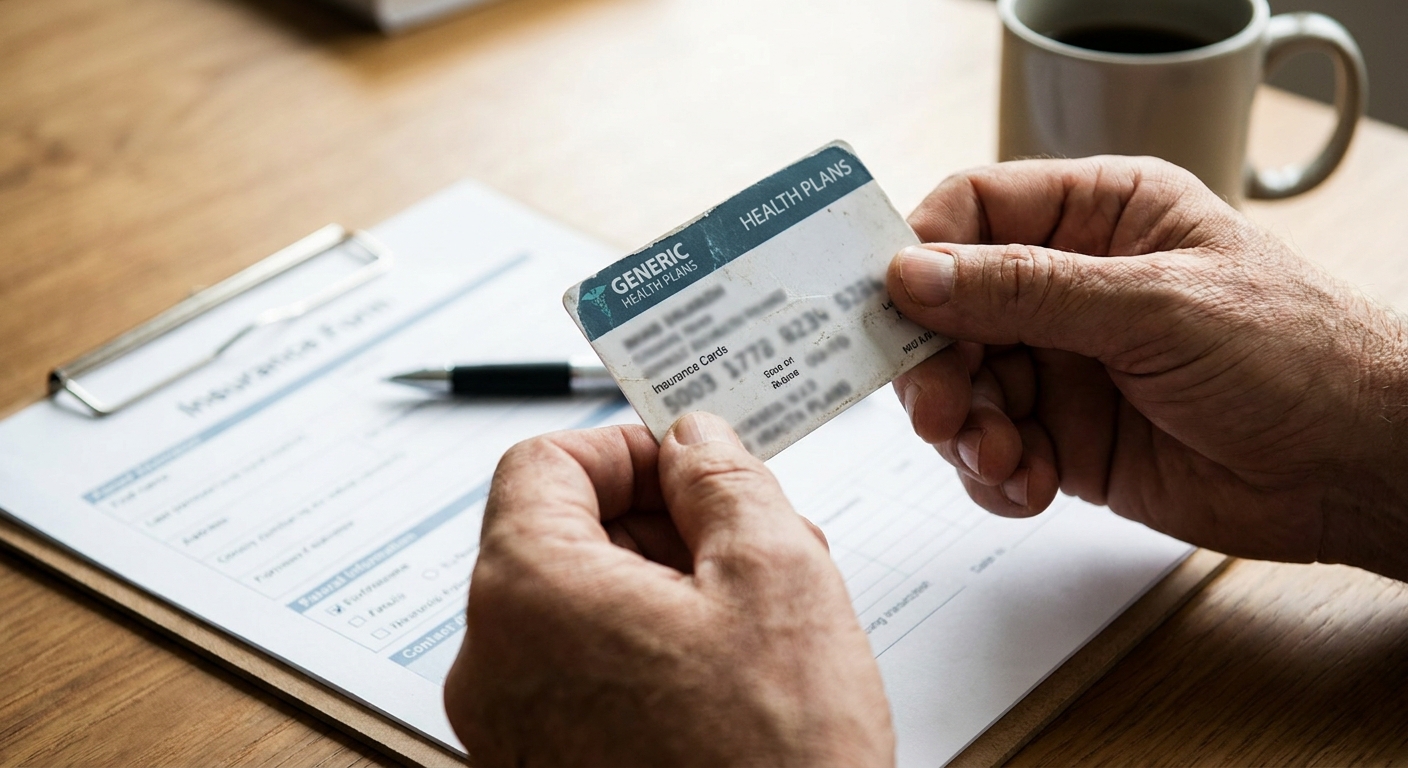
A 2023 SAMHSA report on barriers to treatment access found that 38 percent of adults who needed substance use treatment but did not receive it cited cost or insurance concerns as the primary reason. Most were underestimating their actual coverage. The Mental Health Parity and Addiction Equity Act requires that commercial insurance plans providing mental health and substance use benefits do so at parity with medical and surgical benefits, and out-of-network PPO plans often include substantial coverage for residential treatment that in-network plans do not.
The three questions to ask a facility’s admissions team before visiting: What is the per-diem rate for residential or PHP? Does your billing team verify out-of-network PPO benefits before admission? And what is the estimated patient responsibility after insurance, based on a policy like mine? Getting those three numbers in writing before you make the drive saves significant stress and lets you compare programs on real cost rather than sticker price.
What to do before making the call
A 2019 study in JAMA Psychiatry found that each day of delay between deciding to seek treatment and actually entering care increased the likelihood of dropout during intake by 3 percent. At two weeks of delay, the probability of completing the admission process dropped by more than 40 percent. The decision to call is not a commitment to a 30-day program. It is a commitment to one conversation.
For men dealing with marijuana dependence alongside other substance use, understanding what recovery from stimulant use looks like can provide useful context before that first call, since many men are managing more than one substance and benefit from knowing the full picture of what treatment addresses.
This week, make the call, ask the three insurance questions from the previous section, and schedule an assessment. Nothing more than that is required today.
Frequently asked questions
Is marijuana addiction a real diagnosis, or just a habit?
Cannabis use disorder is a clinical diagnosis in the DSM-5, the same diagnostic manual used for alcohol use disorder and opioid use disorder. It is defined by specific behavioral and physiological criteria, including escalating use, failed attempts to stop, and withdrawal symptoms. Calling it a habit understates what the neuroscience shows is happening in the brain’s reward circuitry after sustained heavy use.
What does marijuana withdrawal feel like, and how long does it last?
The most common marijuana withdrawal symptoms are irritability, anxiety, sleep disruption, decreased appetite, and restlessness. They typically begin within 24 to 72 hours of stopping, peak around days 2 through 6, and resolve for most people within two to three weeks. In long-term heavy users, sleep disruption can persist longer. Medically supervised detox manages these symptoms directly so the acute phase does not become the reason you return to use.
Does insurance actually cover marijuana addiction treatment in west palm beach?
Yes, and usually more than you expect. Commercial PPO plans are required under federal parity law to cover substance use disorder treatment at the same level as medical care. Out-of-network PPO benefits in particular often cover a significant portion of residential or PHP-level treatment. Call the facility’s admissions team, give them your insurance information, and ask for an estimated patient responsibility before making any decisions about enrollment.
Do I need to be using other drugs besides marijuana to qualify for residential treatment?
No. Cannabis use disorder alone, particularly when paired with co-occurring anxiety, depression, or PTSD, meets clinical criteria for residential care under ASAM’s level-of-care guidelines. The determining factors are use severity, withdrawal risk, history of failed outpatient attempts, and the presence of co-occurring conditions, not the number of substances involved.
What makes treatment in palm beach county different from a program closer to home?
For many men, geographic distance from familiar environments and social triggers is itself a therapeutic variable. West Palm Beach and the surrounding Palm Beach County area offer structured residential programs in a lower-stimulation setting, away from the people, places, and patterns associated with use. Research on treatment retention consistently shows that residential programs with strong environmental structure have lower early-dropout rates, particularly for men with prior failed attempts.
How do I know whether I need detox before starting therapy?
If your marijuana use has been daily and heavy for more than a year, if you have experienced significant anxiety, sleep disruption, or irritability when you have tried to stop before, or if you have a co-occurring psychiatric condition, medically supervised detox is appropriate. The facility’s clinical team will conduct an assessment at intake to make that determination. Do not self-triage on this question. Let the clinicians who see your full picture make the call.