


Medication-assisted treatment is a clinically supervised approach that combines FDA-approved medications with therapy and counseling to treat substance use disorders. If you’ve tried willpower alone and it hasn’t held, understanding how MAT works may change how you think about recovery.
What is medication-assisted treatment (MAT)?
According to SAMHSA, medication-assisted treatment is the use of FDA-approved medications, in combination with counseling and behavioral therapies, to treat substance use disorders and prevent overdose. The defining word is “combination.” MAT is not a prescription handed out at a clinic window. It is a structured clinical protocol that treats addiction as the brain disease it is, not a character flaw or a failure of willpower.
That reframe matters. Many men who reach out about MAT have already tried abstinence-only approaches and relapsed. The research explains why: untreated withdrawal leaves the brain’s reward circuitry destabilized, making abstinence nearly impossible to sustain without medical support. MAT corrects for that biological reality.
The medications used in MAT
A 2023 analysis published by the National Institutes of Health, drawing on data from over 40,000 patients with opioid use disorder, found that patients receiving medication-assisted treatment were twice as likely to remain in treatment at six months compared to those receiving no medication. Retention in treatment is one of the strongest predictors of long-term recovery. That single finding is worth sitting with before reviewing what each medication actually does.
Medications for opioid use disorder
Three medications hold FDA approval for opioid use disorder (OUD), and each works differently in the brain.
Methadone is a long-acting opioid agonist. It activates the same receptors as other opioids but does so slowly and without producing a euphoric spike, which eliminates cravings and prevents withdrawal. Because of its potency, it is dispensed at federally certified clinics under daily observation, at least during the stabilization phase.
Buprenorphine, most commonly combined with naloxone under the brand name Suboxone, is a partial agonist. It activates opioid receptors enough to suppress cravings and withdrawal but has a “ceiling effect” that limits the high even at high doses, significantly reducing overdose risk. A licensed physician can prescribe it in an office-based setting, which improves access considerably. If you are weighing options in South Florida, finding a qualified prescriber in your area is a practical starting point.
Naltrexone, available as a monthly injection under the brand name Vivitrol, is an opioid antagonist. It blocks opioid receptors entirely, so if you use while on it, you feel nothing. There is no abuse potential because it produces no reward signal whatsoever. For men who want a medication-free daily experience and whose opioid use has fully cleared their system, what to expect from Vivitrol is worth understanding before making a decision.
Medications for alcohol use disorder
Three FDA-approved medications address alcohol use disorder specifically. Naltrexone, the same medication described above, blunts the dopamine reward signal that makes drinking feel good, reducing the urge to continue after the first drink. Acamprosate eases the post-acute withdrawal symptoms, particularly anxiety, insomnia, and restlessness, that persist for weeks after the last drink and drive relapse. Disulfiram creates a deterrent: it blocks alcohol metabolism so that drinking produces flushing, nausea, and rapid heartbeat. That physiological consequence changes the decision calculus.
For men managing both alcohol and opioid use, which is more common than either condition alone, naltrexone’s dual efficacy makes it a frequent first consideration in integrated treatment planning.
How MAT actually works: the brain science in plain english
Addiction restructures the brain’s dopamine system. Repeated substance use trains the brain to expect chemical reward on demand, and over time, natural sources of pleasure stop registering. Cravings become overwhelming, and the prefrontal cortex, the part responsible for judgment and impulse control, loses ground to the limbic system’s drive for relief.
NIDA research on neuroplasticity and opioid dependence confirms that this rewiring is real and measurable, and that it does not reverse quickly on its own. MAT medications work by stabilizing the dopamine system during that recovery window. They reduce the signal-to-noise ratio of cravings so that the brain can actually respond to therapy. What this means in practice is that counseling becomes possible when it was not before, not because the medication does the emotional work, but because it clears enough neurological space for you to do it yourself.
MAT vs. quitting cold turkey: what the research says
The belief that “real” recovery means pushing through withdrawal without help is widespread, especially among men. It is also dangerous. A 2022 study published in Addiction that tracked over 17,000 patients with opioid use disorder found that those who attempted abstinence without medication were five times more likely to relapse within the first month, and significantly more likely to die of overdose following relapse due to lost tolerance.
The medication does not do the work for you. What it does is level the playing field. Withdrawal without support is a physiological emergency, and asking someone in the middle of that emergency to engage with therapy, examine trauma, and rebuild habits is unrealistic. MAT changes the conditions so the real recovery work becomes possible. If you are considering treatment for opioid addiction in the Palm Springs area, understanding this distinction shapes every clinical conversation that follows.
The role of counseling and behavioral therapy in MAT
SAMHSA is explicit on this point: medication alone is not MAT. The clinical protocol requires counseling and behavioral therapy alongside the medication, and for good reason. A 2021 study in the Journal of Substance Abuse Treatment found that patients receiving integrated medication and behavioral therapy showed significantly better outcomes on measures of psychological functioning, employment, and sustained abstinence at 12 months than patients receiving medication without structured therapeutic support.
For men with co-occurring mental health conditions, which describes a significant portion of the population seeking treatment, this integration is not optional. Depression, trauma, anxiety, and PTSD frequently underlie substance use, and medication alone does not address them. Individual therapy, group sessions, and structured programming work together to reach those root causes. The medication stabilizes the body. Therapy rebuilds the life around it.
Addressing the “substitution” misconception
The most common objection to MAT is the idea that it simply trades one addiction for another. NIDA and SAMHSA address this directly in their clinical guidance, and the distinction is not semantic. Active addiction is characterized by compulsive use despite consequences, loss of control, and a life organized around obtaining the substance. Physical dependence, which some MAT medications do produce, is a manageable, monitored medical state in which the brain has adapted to a medication. Those are not the same thing.
A 2020 meta-analysis in The Lancet covering 19 randomized controlled trials found that buprenorphine and methadone both significantly reduced illicit opioid use, overdose deaths, and criminal activity without producing the chaotic behavioral patterns of active addiction. Your skepticism about MAT is understandable, and it deserves a direct evidence-based answer rather than reassurance. The data is clear: MAT reduces harm and improves outcomes.
What to try this week
If MAT has been recommended to you, or to someone you care about, the move that works is calling a licensed treatment center this week and asking two specific questions: Is MAT part of your clinical protocol, and how does it integrate with your therapy program? A facility worth trusting will have a clear, detailed answer to both. The research is settled. The only variable left is the call.
Frequently asked questions
How long does medication-assisted treatment last?
The duration varies based on the individual, the substance involved, and the clinical assessment. Some people use MAT medications for months; others remain on them for years. SAMHSA guidance emphasizes that there is no fixed endpoint, and discontinuing medication prematurely is one of the leading causes of relapse. Duration decisions are made collaboratively between the patient and the treatment team.
Is MAT covered by insurance?
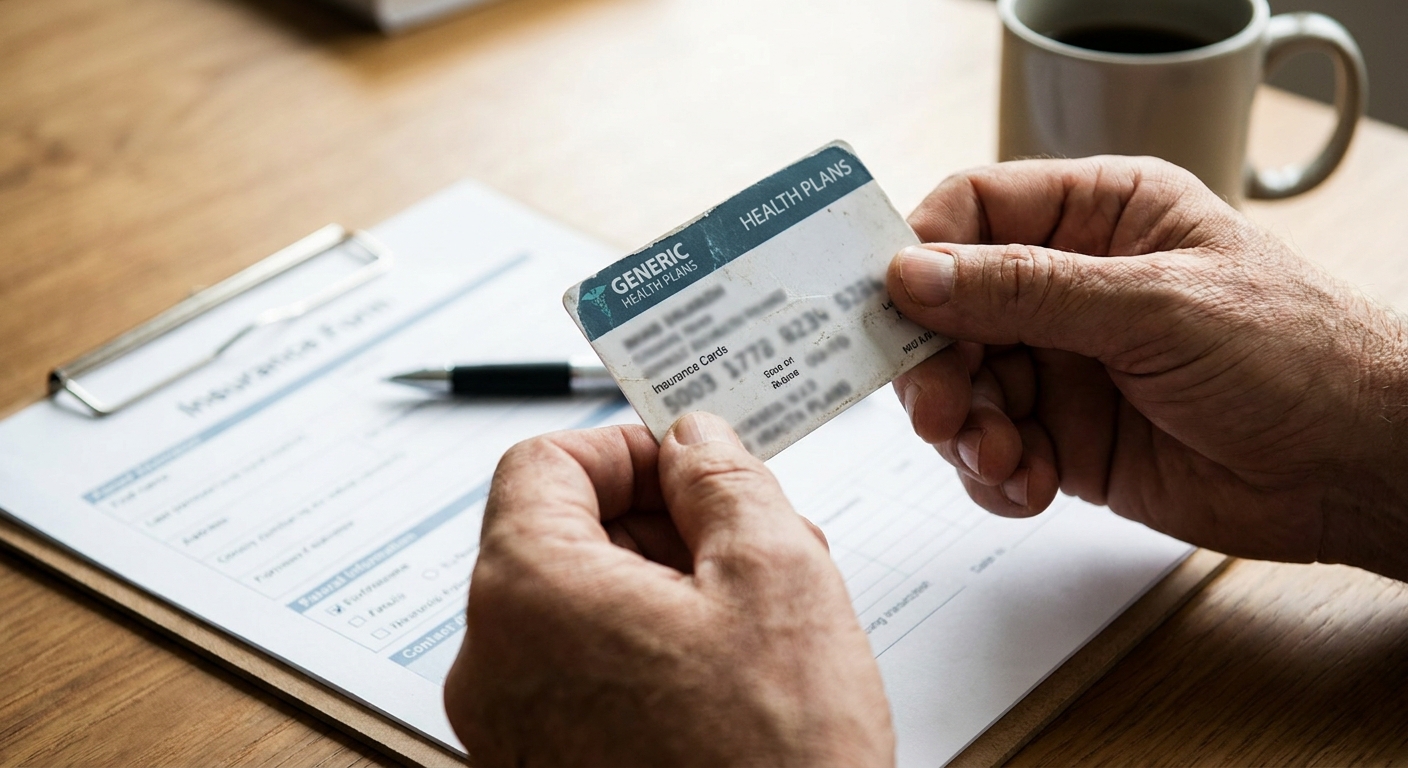
Most commercial PPO insurance plans cover FDA-approved MAT medications and the associated clinical services, though coverage details vary by plan. Private-pay options are also available. Confirming coverage before admission is a standard part of the intake process at any licensed treatment center.
Can someone be on MAT and still work a 12-Step program?
Yes. MAT and 12-Step involvement are not mutually exclusive, and many men engage actively with both. Some 12-Step groups are more receptive than others to members on prescribed medication, but the clinical and 12-Step communities have increasingly aligned on the value of treating addiction as a medical condition. An individualized treatment plan accounts for both.
What happens if someone uses while on MAT medications?
The answer depends on the medication. Naltrexone blocks opioid receptors, so using opioids while on it produces no effect. Buprenorphine’s partial agonist properties reduce the impact of additional opioids. Using while on methadone carries overdose risk because both are opioid agonists. Any use during MAT is addressed clinically, not punitively, and is part of the ongoing assessment process.
Is MAT available for stimulant or benzodiazepine addiction?
Currently, no FDA-approved medications exist specifically for stimulant use disorder (cocaine, methamphetamine) or benzodiazepine dependence. Treatment for those conditions relies on medically supervised detox and behavioral therapy. Research into pharmacological supports for stimulant use disorder is active, but the clinical options are more limited than those for opioid and alcohol use disorders.