


Choosing a mental health program in West Palm Beach, Florida is one of the most consequential decisions you will make, and most people make it using the wrong criteria. This guide cuts through the noise and tells you exactly what to evaluate before you commit.
Why the program structure decides everything
A 2020 SAMHSA analysis of over 10,000 treatment episodes found that structured, protocol-driven mental health programs produced significantly better 6-month outcomes than programs without defined clinical frameworks, regardless of facility quality or setting. The architecture of care, meaning how the day is organized, who delivers treatment, and what clinical sequence is followed, predicts results more reliably than any amenity or location.
What this means in practice: when you evaluate any mental health program in West Palm Beach or broader Palm Beach County, structure is the first filter you apply. Before you ask about the facility or the campus, ask how a typical treatment day is structured from morning to evening.
Dual diagnosis treatment: the non-negotiable starting point
SAMHSA’s 2022 National Survey on Drug Use and Health, covering over 67,000 respondents, found that more than 9.2 million adults in the United States live with both a substance use disorder and a co-occurring mental health condition. Among men specifically, depression, anxiety, PTSD, and bipolar disorder are the most common conditions running alongside addiction, and treating only one without the other produces measurably worse outcomes.
Dual diagnosis treatment means addressing both the mental health condition and any substance use simultaneously, not sequentially. Sequential treatment, where a program stabilizes the addiction first and then addresses depression or trauma later, leaves the underlying driver of use unresolved during the most vulnerable phase of recovery.
The concrete action here is simple: ask any program whether psychiatric evaluation happens at intake or only after medical stabilization. If psychiatric evaluation is deferred, the program is not designed to treat the whole problem.
Evidence-based therapies vs. wellness add-ons
A 2021 meta-analysis published by the American Psychological Association, covering 269 randomized controlled trials, confirmed that Cognitive Behavioral Therapy (CBT) and Dialectical Behavior Therapy (DBT) produce consistent, measurable symptom reduction for depression, anxiety, PTSD, and bipolar disorder. Programs built on experiential or purely holistic approaches, without these clinical anchors, have no comparable evidence base.
Evidence-based means tested in clinical trials with documented, reproducible results. Yoga, mindfulness, and equine therapy are not evidence-based in the same clinical sense; they are adjuncts. Some are valuable. None should be the primary modality.
The practical step: request a clinical schedule from any program under consideration. Count the weekly hours of structured therapeutic sessions, specifically CBT, DBT, or EMDR, versus recreational or wellness activities. A program serious about outcomes will have a schedule where clinical hours dominate. If they cannot or will not share a clinical schedule, that tells you something important.
What a male-only environment actually changes
A 2019 study published in the Journal of Substance Abuse Treatment tracked 1,400 men across mixed-gender and male-only residential treatment programs over 12 months. Men in male-only settings reported 34% higher therapeutic engagement scores and significantly lower dropout rates tied to shame-driven avoidance. The mechanism is straightforward: men communicate differently about grief, trauma, and vulnerability when women are not present, particularly men who have spent years minimizing or concealing their struggles.
This matters in a concrete way. If the man considering treatment has previously underperformed in group therapy, deflected in couples counseling, or left programs early, a male-only environment removes one specific and documented barrier to honest engagement. It does not fix everything. But it changes the dynamic in the room in ways that research backs.
If PTSD is part of the picture, the shift is even more pronounced. For a deeper look at how trauma-focused care works in this region, exploring how PTSD is treated across Palm Springs and the surrounding county clarifies what specialized trauma protocols actually look like in practice.
How to evaluate a west palm beach mental health program before you commit
A 2023 report from the National Alliance on Mental Illness found that nearly 40% of people who left treatment early cited poor program fit as the primary reason, not willpower or external circumstances. Most families and clients choose programs based on proximity, marketing quality, or how the facility looks in photographs. These are the wrong criteria.
Staff credentials and psychiatrist access
A 2018 study from the Journal of Mental Health Policy and Economics, analyzing outcomes across 312 behavioral health facilities, found that programs with a licensed psychiatrist providing a minimum of 10 on-site hours per week produced 41% better medication adherence rates and faster symptom stabilization compared to programs relying on off-site or on-call psychiatric support.
A program with a board-certified psychiatrist physically present is categorically different from one that reserves psychiatry for crisis intervention or outsources it entirely. Medication management for depression, bipolar disorder, and anxiety requires ongoing adjustment, and that adjustment requires a psychiatrist who knows the client.
The action: ask the admissions team how many hours per week a board-certified psychiatrist spends on-site with clients. Not on call. On-site. The answer is a direct measure of clinical depth.
Insurance compatibility and out-of-pocket costs
A 2023 Kaiser Family Foundation analysis found that out-of-network behavioral health benefits through commercial PPO plans typically reimburse between 50% and 80% of allowable charges, though actual exposure varies significantly by plan design and deductible structure. The gap between what you expect and what you owe is where most families experience financial shock.
Before any facility tour or admissions call, contact the insurance provider directly. Have the program’s NPI number ready, and ask for a benefits verification specific to residential or intensive outpatient behavioral health. That single call reveals the real out-of-pocket exposure before emotion drives the decision. Programs experienced with PPO billing will assist with this process. If a program cannot help you understand the financial structure before admission, that is worth noting.
Aftercare planning as a quality signal
A 2022 study from the Journal of Psychiatric Research, following 820 adult patients post-discharge over 6 months, found that structured aftercare, meaning a defined sequence of stepped-down care arranged before discharge, reduced relapse rates by 43% compared to programs that provided referrals at discharge without pre-arranged placements.
Programs that build the next step before the last day have better outcomes because continuity of care prevents the unstructured gap that most relapses occur in. Ask the admissions team to describe a specific client’s aftercare path. Not a general policy statement, a real sequence: what level of care follows residential, who manages it, and how the handoff is coordinated. Vagueness here is a genuine red flag.
For men navigating depression as a primary condition alongside recovery, understanding what to prioritize in depression-focused programs across the Palm Springs area provides useful context for evaluating aftercare continuity.
Red flags that rule out a program fast
A 2022 Florida Office of Program Policy Analysis and Government Accountability report identified dozens of treatment facilities operating in South Florida with unlicensed staff or fraudulent billing practices, a problem that earned the region the label “Florida shuffle” in federal oversight discussions. This is calibration, not fearmongering: the market in Palm Beach County includes both exceptional programs and programs that should not be operating.
Three disqualifiers apply universally. First, no licensed psychiatrist on staff means the program cannot manage psychiatric medication, which rules out genuine mental health treatment for most conditions. Second, vague or absent outcome data means the program has no accountability to results. Third, pressure to commit before a clinical assessment is completed means the program is prioritizing admissions over clinical appropriateness. Any one of these ends the conversation.
The west palm beach setting: when location is a clinical asset
A 2016 study published in Environmental Health and Preventive Medicine, tracking cortisol levels and self-reported stress in 280 adults across urban and low-stimulation natural environments, found that time in structured, nature-adjacent settings reduced cortisol by an average of 16% within three days and improved treatment engagement scores in outpatient mental health settings.
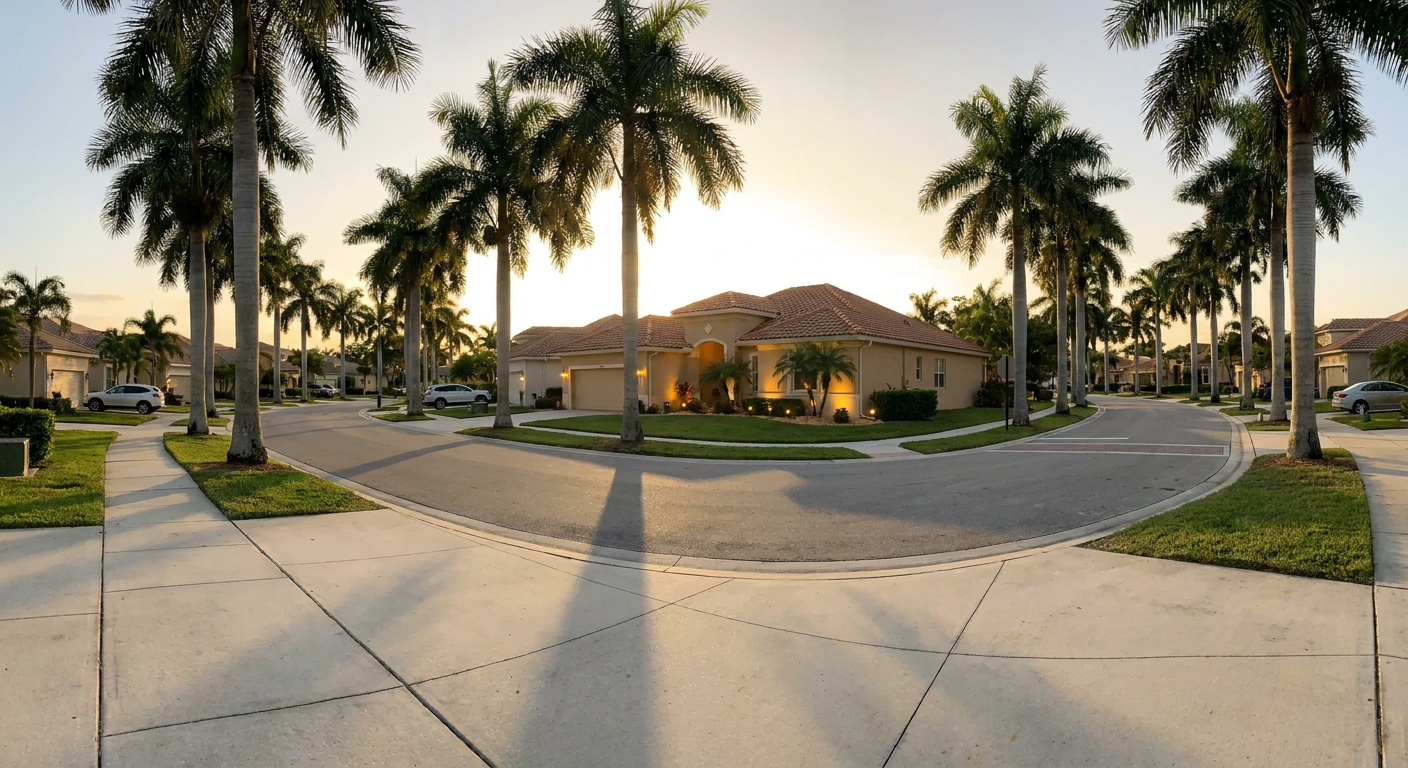
The distinction worth drawing is between destination treatment as a marketing concept and destination treatment as a clinical tool. Distance from existing triggers, familiar social networks, and environments associated with use is a genuine therapeutic variable when the clinical program underneath it is sound. West Palm Beach and the broader Palm Beach County setting offer structured access to low-stimulation environments without the geographic isolation that disrupts family involvement.
For out-of-state clients and South Florida residents alike, what actually drives healing in mental health treatment goes deeper than setting. Geography supports recovery. It does not create it.
What to do this week
Call one program and ask a single question: how many hours per week does a board-certified psychiatrist spend on-site with clients? The answer is a decision gate. If the answer is specific, verifiable, and substantial, the program merits a full intake assessment. If the answer is vague or redirected, move to the next program on the list. One question. One answer. That narrows the field faster than any facility tour.
Frequently asked questions
What is a mental health program in west palm beach, florida?
A mental health program in West Palm Beach is a structured clinical service that treats conditions such as depression, anxiety, PTSD, and bipolar disorder through evidence-based therapies including CBT, DBT, and EMDR. Programs vary in intensity from residential care to partial hospitalization and intensive outpatient, and the best ones include psychiatric oversight at every level.
How do I know if a program treats co-occurring conditions?
Ask directly whether psychiatric evaluation occurs at intake. Programs that delay psychiatric assessment until after stabilization are not equipped to treat co-occurring mental health and substance use conditions simultaneously. A genuine dual diagnosis program runs a clinical assessment from day one.
Does insurance cover mental health treatment in west palm beach?
Commercial PPO plans typically provide out-of-network behavioral health benefits, though reimbursement rates and deductibles vary by plan. Before committing to any program, call the insurance provider with the program’s NPI number and request a benefits verification for the specific level of care. This prevents financial surprises after admission.
Why choose a male-only mental health program?
Research shows men in male-only settings report higher therapeutic engagement and lower shame-driven dropout rates compared to mixed-gender programs. For men who have minimized their struggles in group settings before, the single-gender environment removes a documented barrier to honest participation in therapy.
What should aftercare look like after completing a program?
Structured aftercare means a defined next step is arranged before discharge, not handed to the client as a referral list on the final day. This typically includes a step-down to a lower level of care such as PHP or IOP, ongoing psychiatric medication management, and outpatient therapy with a provider who has received a clinical summary from the treatment team.
What therapies are considered evidence-based for mental health treatment?
CBT, DBT, and EMDR are the most extensively researched therapies for depression, anxiety, PTSD, and bipolar disorder. Each has been tested in clinical trials with documented, reproducible outcomes. Wellness activities like yoga or mindfulness have value as adjuncts but are not substitutes for these clinical modalities.