


Most people assume that “real” addiction treatment means checking into a facility and leaving your life behind for 30 to 90 days. That assumption keeps a lot of men from getting help that could actually work for them. Outpatient addiction treatment in Palm Springs, Florida offers a clinically rigorous path to recovery that fits around real life, and for many men, it produces outcomes that are just as strong as residential care.
What outpatient addiction treatment actually is
According to SAMHSA’s 2022 National Survey on Drug Use and Health, approximately 2.7 million Americans received outpatient substance use treatment in the prior year, making it the most commonly accessed level of addiction care in the country. Outpatient treatment means you attend structured clinical programming during the day or evening and return home, or to a sober living residence, afterward. There is no overnight stay. That distinction matters practically and clinically.
The evidence supporting outpatient care is not thin. A 2020 analysis in the Journal of Substance Abuse Treatment reviewed outcomes across 17,000 patients and found that appropriately matched outpatient treatment produced comparable long-term sobriety rates to residential care. The key phrase is “appropriately matched.” Outpatient works when it fits your clinical situation.
The difference between outpatient and inpatient care
Inpatient or residential treatment means living at the facility for the duration of your program. Meals, sleeping, structured activities, and clinical sessions all happen on-site. The total immersion is beneficial when someone needs to be physically separated from an environment that makes use almost inevitable, or when medical supervision around the clock is necessary.
Outpatient treatment operates differently. You come to programming for a set number of hours each week and maintain your connection to daily life outside the facility. The cost difference is significant: residential care averages $500 to $700 per day, while intensive outpatient programming typically runs $100 to $200 per session. Beyond cost, outpatient allows you to maintain family relationships, employment, and community ties that residential care often disrupts.
A 2019 study in Drug and Alcohol Dependence tracking 1,100 patients found that individuals placed at an appropriate level of care based on ASAM criteria, rather than defaulting to the most intensive setting available, showed better treatment engagement and comparable 12-month abstinence outcomes. The takeaway: more intensive is not always more effective.
The continuum of outpatient care: IOP, OP, and PHP
Three distinct levels of outpatient care exist, and they differ meaningfully in clinical intensity.
Partial Hospitalization Programs (PHP) represent the highest outpatient intensity, typically involving 20 to 30 hours of programming per week, often five days a week for six hours or more per day. PHP provides psychiatric monitoring, medical oversight, and daily group and individual therapy. It functions as a bridge between residential care and community-based treatment for men who no longer need 24-hour supervision but still require substantial daily structure.
Intensive Outpatient Programs (IOP) step down from PHP, usually involving nine to 15 hours per week across three to five days. IOP is where many men spend the middle phase of their outpatient journey, building coping skills and relapse prevention strategies while beginning to reintegrate into work and family obligations.
Standard Outpatient (OP) is the lowest-intensity level, typically one to three sessions per week. At The Palms Recovery, outpatient programming serves men who have stabilized at higher levels of care and are actively rebuilding daily life. That means job readiness support, life-skills development, and clinical sessions that help anchor recovery during reintegration rather than replace the structure of earlier treatment. OP and IOP are not interchangeable, and good programs keep that distinction clear in both scheduling and clinical intent.
Why palm springs and palm beach county are a destination for recovery
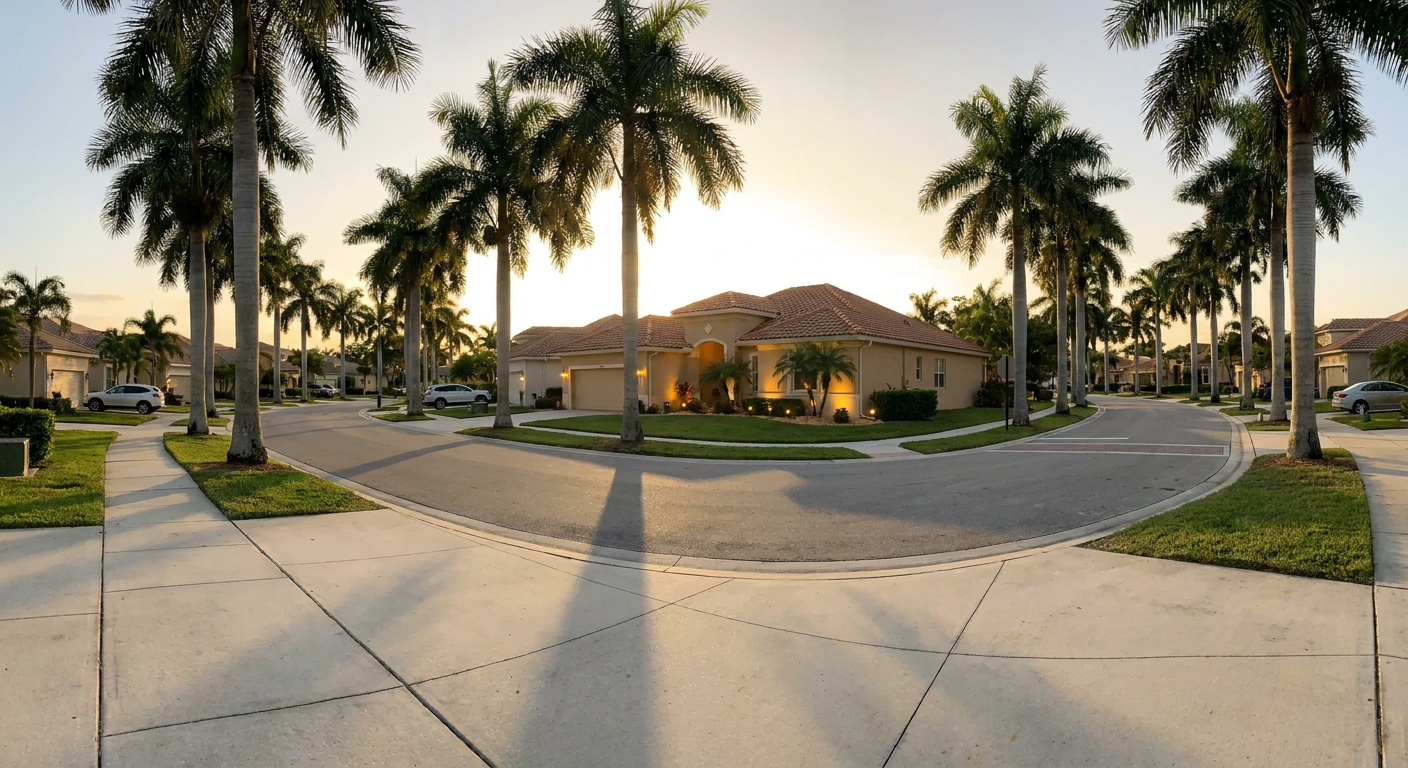
Palm Springs, Florida sits within Palm Beach County, a region that has developed one of the most concentrated recovery ecosystems in the United States. The density of licensed treatment providers, sober living residences, peer support networks, and recovery-friendly communities in Palm Beach County is matched by very few regions nationally.
Research from the National Institute on Environmental Health Sciences supports what practitioners in the area observe: proximity to natural environments, warm climates, and reduced urban stressors correlates with lower cortisol levels and improved treatment engagement. Palm Beach County delivers on all of those variables. The area’s close proximity to the Intracoastal Waterway, green spaces, and a genuinely temperate climate year-round contributes to an environment that is physiologically conducive to recovery.
For men traveling from out of state, the destination setting also creates useful psychological distance from the people, places, and routines associated with use. That geographic separation, combined with robust local recovery infrastructure, is a meaningful clinical asset. If you are weighing treatment options and exploring how outpatient programs are structured and what a typical week looks like, the Palm Springs and Lake Worth corridor offers a high concentration of quality programs within a manageable geographic area.
Who is a good candidate for outpatient treatment
SAMHSA’s Treatment Improvement Protocol 47 outlines the ASAM Patient Placement Criteria, the clinical framework most licensed programs in Florida use to determine appropriate level of care. In plain terms, the criteria assess six dimensions: withdrawal and intoxication risk, medical conditions, emotional and behavioral conditions, motivation, relapse potential, and recovery environment.
Men who succeed in outpatient treatment typically have a moderate-to-severe substance use disorder without severe acute withdrawal risk, a living situation that is stable and free of active use, and at least some degree of motivation to change. Prior failed attempts at sobriety do not disqualify someone from outpatient care; in fact, SAMHSA data shows that multiple treatment episodes are the norm, not the exception, for long-term recovery.
When outpatient is the right starting point
A 2021 study in the American Journal of Drug and Alcohol Abuse tracked 620 men with alcohol and stimulant use disorders through ASAM-matched placement. Men placed in outpatient care who did not have acute medical withdrawal needs showed a 64% rate of treatment completion, a figure that outperformed residential placement for equivalent clinical presentations.
The indicators that make outpatient appropriate as a first step include no history of severe medical detox complications, a home or sober living environment free from substances and enabling relationships, the capacity to maintain a basic daily schedule, and the absence of an active untreated psychiatric crisis. If those conditions are in place, outpatient is not a lesser option. It is the right one.
When to consider a higher level of care first
Some situations require residential or medical detox before outpatient treatment is appropriate. Severe physical dependence on alcohol or benzodiazepines creates withdrawal risks, including seizure and cardiac complications, that outpatient settings cannot safely manage. Active suicidal ideation, psychotic episodes, or a living environment where substances are present and unavoidable also indicate the need for a higher level of care.
This is not a reason to avoid treatment; it is information that protects you. If you are unsure where you fall, a licensed clinical assessment, available from most Palm Springs-area programs at no cost and with no obligation to enroll, will give you a clear answer within one appointment. Getting that assessment this week is the most productive first step available to you right now.
What a typical outpatient treatment schedule looks like
A 2022 study in Substance Abuse: Research and Treatment found that structured daily schedules in outpatient settings reduced relapse rates by 31% compared to unstructured approaches over a six-month follow-up period. Structure is not incidental to outpatient treatment. It is a core mechanism.
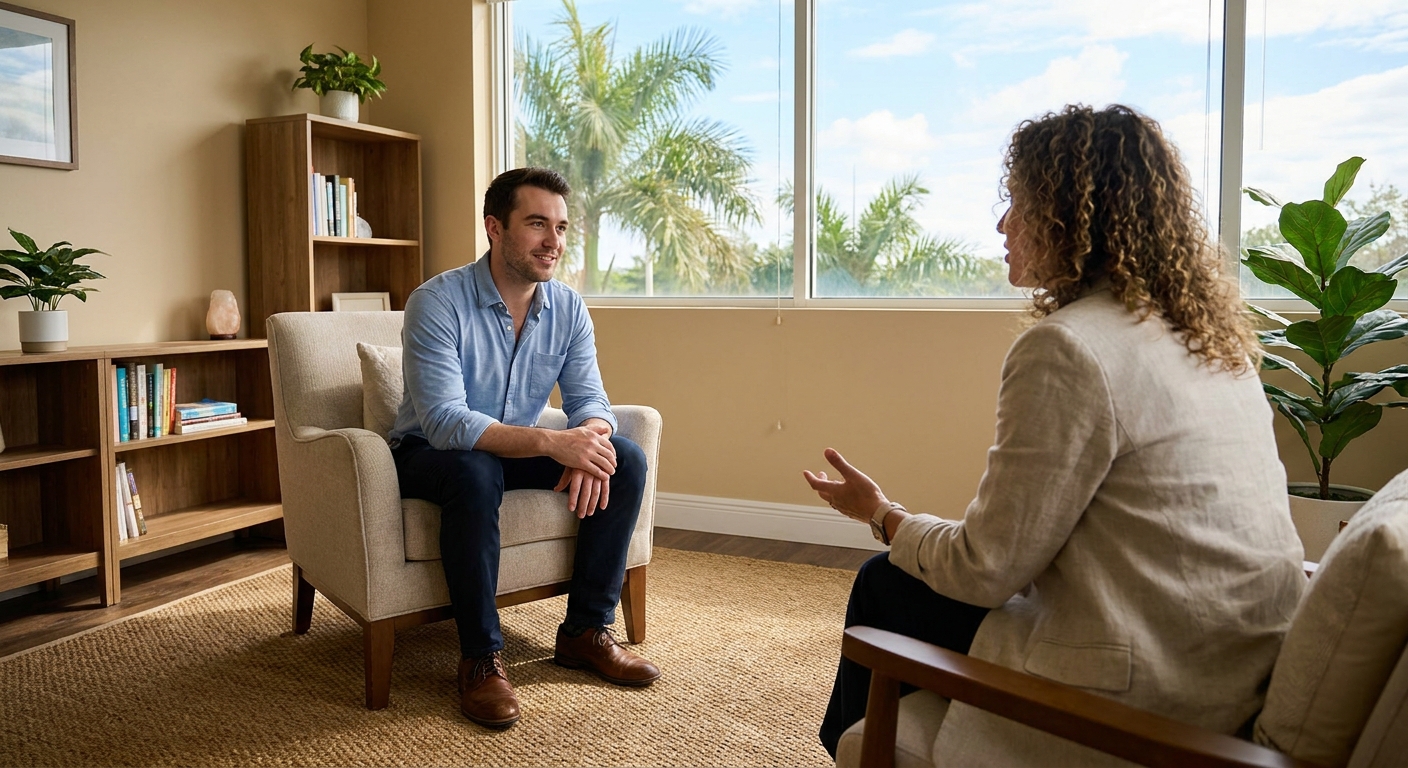
A typical week in an IOP in Palm Springs involves three to five sessions, each lasting three hours or more. Sessions include clinical group therapy, which runs with a licensed therapist facilitating structured therapeutic work, not peer support or meeting-style sharing. Individual counseling sessions occur at least once weekly at the IOP level. Psychiatric appointments for medication management, where relevant, are typically scheduled every one to two weeks during active treatment.
Most programs also include regular urine drug screenings as both a safety measure and an accountability structure. Some programs incorporate family therapy sessions, particularly at the PHP level, to address relationship dynamics that influence recovery. The week has a rhythm: you know where you are supposed to be and why, which itself carries therapeutic value.
The role of co-occurring mental health treatment
A 2022 report from the Substance Abuse and Mental Health Services Administration found that 53% of adults in substance use treatment met criteria for at least one co-occurring mental health disorder. Anxiety, depression, PTSD, and trauma histories are not complications that appear alongside addiction by coincidence. For many men, untreated mental health conditions are the engine behind substance use.
Integrated dual-diagnosis treatment addresses both simultaneously within the same clinical team. That matters because sequential treatment, handling addiction first and then addressing mental health, produces consistently weaker outcomes. A 2019 meta-analysis in JAMA Psychiatry covering 8,000 participants found that integrated dual-diagnosis programming produced 40% better substance use outcomes at 12 months compared to non-integrated approaches.
When you evaluate any outpatient program in Palm Springs, ask directly: does your clinical team include licensed mental health professionals who treat co-occurring disorders as part of the primary treatment plan, not as a referral-out? The answer to that question separates genuinely integrated programs from those that treat addiction and mental health in parallel without clinical coordination.
Evidence-based therapies used in outpatient programs
Quality outpatient programs do not improvise their clinical approach. The therapies with the strongest evidence base appear consistently across accredited programs, and knowing what they are helps you evaluate what a program is offering and what skepticism is warranted.
Cognitive behavioral therapy (CBT) for addiction
A 2018 Cochrane Review of 53 randomized controlled trials found CBT for substance use disorders produced significant reductions in use frequency and relapse rates across alcohol, cannabis, cocaine, and opioid use disorders. CBT works by helping you identify the thought patterns and situational triggers that precede use, then building concrete alternative responses to those triggers.
In an outpatient session, CBT is practical rather than abstract. You examine a specific situation where cravings occurred, trace the thought sequence that led toward use, and rehearse a different cognitive and behavioral response. Over weeks, this reshapes the automatic patterns that make relapse feel inevitable. The skill transfers outside the session, which is exactly what outpatient recovery requires.
Medication-assisted treatment (MAT)
The FDA and SAMHSA both identify MAT with buprenorphine, naltrexone, or methadone as the standard of care for opioid use disorder, and naltrexone as an evidence-supported option for alcohol use disorder. A 2021 study in the New England Journal of Medicine found that patients receiving buprenorphine in outpatient settings had opioid-positive urine screens on 28% of testing days, compared to 52% among those receiving behavioral treatment alone.
MAT is medicine, not a substitute addiction, despite persistent stigma suggesting otherwise. When you speak with any outpatient program in Palm Springs about their clinical approach, ask whether MAT is part of their protocol and what criteria they use to evaluate appropriateness. A program that dismisses MAT categorically is not operating on current clinical evidence.
Group therapy and peer support
Group therapy in a clinical outpatient setting is distinct from 12-step meetings or peer support groups. A licensed therapist facilitates the session using structured therapeutic modalities. A 2020 study in Psychology of Addictive Behaviors tracking 342 men through IOP found that men with high group therapy engagement had a 45% lower relapse rate at six months compared to those with low engagement, controlling for other treatment variables.
The mechanism is well understood: group settings reduce shame through shared experience, provide social modeling of coping strategies, and create accountability structures that individual therapy cannot replicate. A strong group therapy program maintains consistent membership, keeps group size manageable (eight to twelve is a reasonable benchmark), and runs sessions with clear clinical objectives rather than open-ended sharing.
How to evaluate an outpatient program in palm springs
Not all outpatient programs in Palm Beach County operate at the same clinical standard. Florida’s Department of Children and Families licenses substance use treatment providers, and national accreditation through the Joint Commission or CARF provides an additional layer of quality verification. Both matter: licensure is the floor; accreditation signals that a program has submitted to independent clinical quality review.
Staff credentials tell you a great deal. Look for licensed clinical social workers (LCSW), certified addictions professionals (CAP), and licensed mental health counselors (LMHC) on the clinical team, with psychiatric oversight from an MD or APRN. Programs with high staff turnover or large caseloads, often a signal of poor program economics, tend to deliver lower-quality individualized care regardless of what their marketing suggests.
For context on what programs in the broader West Palm Beach area look like at the clinical level, reviewing what other area programs offer in terms of structure and staffing gives you a useful reference point when comparing options.
Questions to ask before you enroll
The clinician-to-client ratio is the single most predictive variable for care quality in outpatient settings. A 2019 study from the National Institute on Drug Abuse found that caseloads above 40 clients per clinician were associated with a 22% drop in individual session frequency and a significant decline in client-reported therapeutic alliance. Ask any program: how many clients does each therapist carry?
Ask whether treatment plans are individualized or templated. Every man arriving at an outpatient program has a different clinical profile; a program that runs everyone through the same eight-week curriculum regardless of history, substances, or co-occurring conditions is not providing individualized care. Ask who conducts the initial assessment, what credentials they hold, and how long it takes to receive a written treatment plan after admission.
Red flags to watch out for
A program that promises specific outcomes, guaranteed sobriety, or a defined success rate is either misleading you or does not understand addiction. Recovery involves genuine clinical uncertainty, and ethical programs communicate that honestly.
Other warning signs: no accreditation from the Joint Commission or CARF, pressure to enroll before an assessment is completed, vague or verbal-only answers about what treatment actually involves, and facilities where you cannot speak with a clinical staff member before admission. High staff turnover in a small program often signals financial instability or poor clinical culture. Walk away from any program that makes enrollment feel urgent before you have asked your questions.
Insurance, costs, and paying for outpatient treatment
The Mental Health Parity and Addiction Equity Act (MHPAEA) requires that health insurers covering mental health and substance use treatment provide benefits no more restrictive than those offered for medical and surgical care. In practice, this means your out-of-network PPO plan cannot impose a lifetime limit on addiction treatment visits when no such limit exists for comparable medical care.
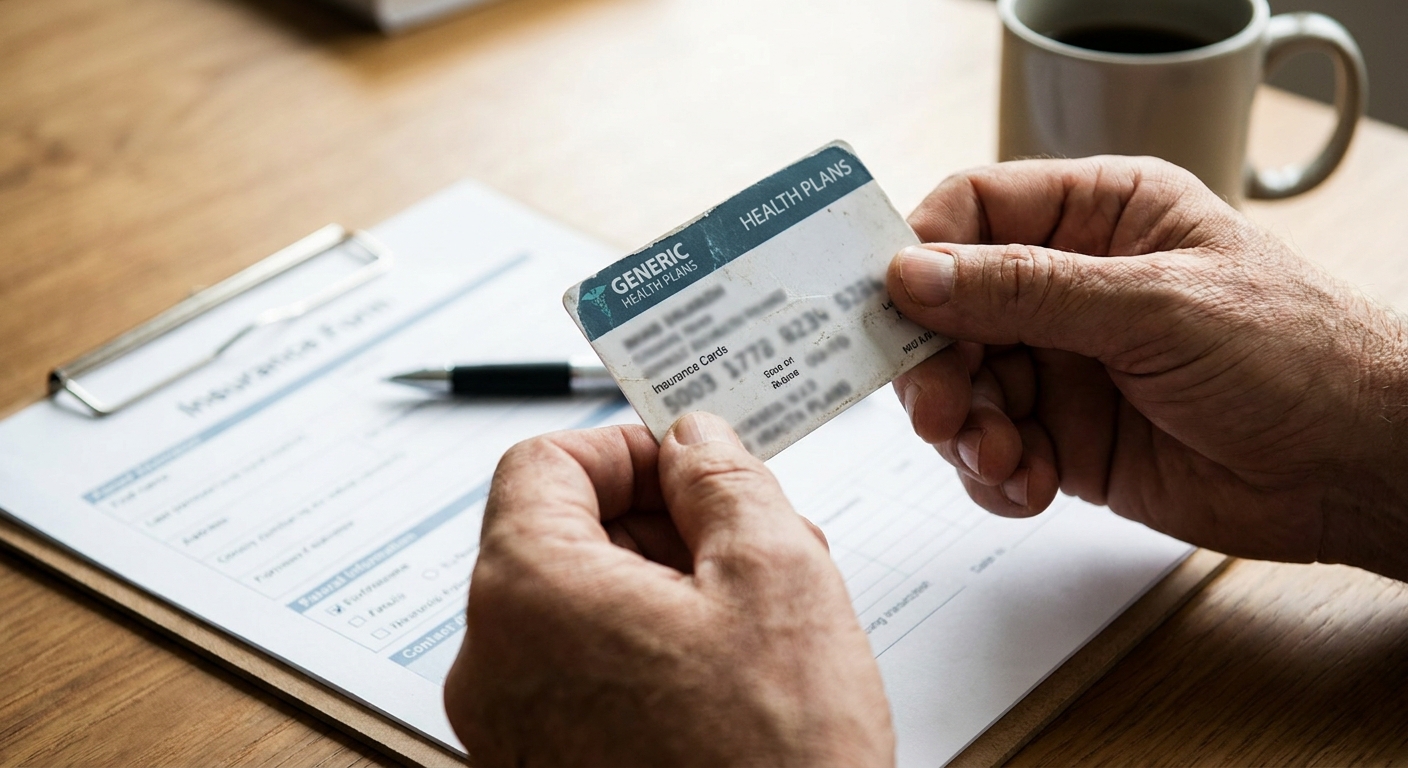
Out-of-network PPO coverage is common among the men who seek treatment in Palm Beach County, and it gives you access to programs outside your insurer’s preferred network while still receiving partial reimbursement. Understanding that coverage before your first appointment removes a significant source of anxiety. The concrete action: call the member services number on the back of your insurance card this week, ask for your out-of-network mental health and substance use benefits specifically, and confirm your deductible, out-of-pocket maximum, and reimbursement percentage for outpatient behavioral health services.
Understanding out-of-network PPO benefits
Out-of-network PPO benefits typically reimburse between 50% and 80% of the “usual and customary” rate for services after your deductible is met. The gap between what the provider charges and what insurance reimburses is your responsibility, but programs vary in how they structure billing and whether they submit claims on your behalf or provide a superbill you submit yourself.
When you call your insurer, ask specifically: “What is my out-of-network deductible for outpatient substance use treatment, and what percentage do you cover once it is met?” Also ask whether prior authorization is required. Getting a clear answer to those questions before enrollment prevents financial surprises that derail treatment.
What outpatient treatment costs without insurance
For men paying privately, PHP programs in the Palm Springs and Palm Beach County area typically range from $400 to $600 per day. IOP runs approximately $250 to $400 per day of programming. Standard outpatient sessions are generally billed at $100 to $200 per session. These are broad ranges; actual costs vary by program, staffing model, and services included.
Ask any program for a written cost estimate itemizing what is included at each level of care before you enroll. A program unwilling to provide written pricing is a yellow flag.
What happens after outpatient treatment: aftercare and relapse prevention
A 2020 study in Drug and Alcohol Dependence tracking 900 men through outpatient treatment found that participation in a structured continuing care program after formal treatment ended reduced relapse rates by 36% at the 12-month mark compared to those who completed treatment without an aftercare plan. Discharge is not the finish line. For most men, it is the transition into the longest and most demanding phase of recovery.
Aftercare in Palm Beach County includes step-down to standard outpatient programming, sober living residences that provide peer accountability and a substance-free environment, alumni programming offered by many area treatment centers, and ongoing individual therapy. Twelve-step and non-12-step community support groups, including SMART Recovery, provide peer connection outside formal treatment.
For men in the Lake Worth and Palm Springs area specifically, local outpatient options that support longer-term recovery maintenance are worth exploring as part of your aftercare plan. The Palms Recovery’s outpatient program is designed precisely for this stage: men who have completed higher levels of care and are ready to focus on job reintegration, life skills, and maintaining the gains they have made while rebuilding daily structure.
Before your last day of formal treatment, put three things in place: an aftercare appointment scheduled within seven days of discharge, a sober living or stable living arrangement confirmed, and a peer support meeting or group identified that you plan to attend in the first week out.
Taking the first step toward outpatient treatment in palm springs
What you know now is enough to take action. You know the difference between levels of care, what clinical quality looks like, what questions separate a serious program from a mediocre one, and how to verify your insurance benefits. That is more than most men have when they make the call that changes their lives.
The fear of reaching out is real, and it is not a character flaw. It is the nature of the problem. But an intake assessment is not a commitment to enroll. It is information. It tells you what level of care fits your situation, what your insurance covers, and what a week in treatment would actually look like for you. That information belongs to you regardless of what you decide next.
Call a licensed outpatient program in Palm Springs this week and ask for a clinical assessment. That is the one step available to you right now that no amount of additional research improves on.
Frequently asked questions
How long does outpatient addiction treatment in palm springs typically last?
The duration depends on your level of care and clinical progress. IOP programs commonly run eight to 12 weeks, with the option to step down to standard outpatient for ongoing maintenance. PHP may be shorter in duration but more intensive per week. A licensed assessment will give you a clearer estimate based on your specific situation.
Can I work or take care of family obligations while attending outpatient treatment?
At the IOP and OP levels, yes. Most IOP programs in Palm Springs offer morning or evening scheduling specifically to accommodate employment and family responsibilities. PHP involves more daily hours and may require temporary work accommodations, depending on your schedule.
Is outpatient treatment effective for severe addiction, or only mild cases?
Outpatient treatment is appropriate for moderate-to-severe addiction when medical withdrawal risk is manageable and the living environment is stable. Multiple peer-reviewed studies, including the ASAM-matching research cited in this guide, confirm that outpatient produces outcomes comparable to residential care for appropriately matched patients. Severity alone does not determine which level of care is right.
What if I have already tried treatment before and relapsed?
Prior treatment episodes and relapses do not disqualify you from outpatient care, and they do not predict failure in future treatment. SAMHSA data consistently shows that most people who achieve long-term recovery do so after multiple treatment episodes. What matters is finding the right match for your current clinical situation, not your history.
Do palm springs outpatient programs accept out-of-state patients?
Many programs in Palm Beach County actively serve out-of-state clients. The region’s reputation as a recovery destination means providers are experienced with coordinating admissions for men traveling from other states. Insurance benefits apply regardless of which state you receive treatment in, as long as the provider meets your plan’s coverage requirements.
Does outpatient treatment address mental health conditions alongside addiction?
Quality programs do. Integrated dual-diagnosis treatment is the clinical standard for men with co-occurring anxiety, depression, PTSD, or other mental health conditions. When evaluating any program, ask directly whether licensed mental health clinicians treat co-occurring conditions as part of the primary plan or refer them out. The former produces substantially better outcomes.