


Finding the right outpatient drug and alcohol program in Lake Worth, Florida takes more than a quick Google search. With dozens of facilities across Palm Beach County, the decision comes down to understanding exactly what you’re evaluating and why certain features matter more than others for lasting recovery.
What outpatient treatment actually means
Outpatient care has a reputation problem. Many people assume it’s the “easy” option, or that choosing it means avoiding real treatment. That assumption costs people their recovery.
A 2020 study published in the Journal of Substance Abuse Treatment, analyzing outcomes across 1,200 patients, found no statistically significant difference in long-term sobriety rates between residential and intensive outpatient treatment when the level of care matched the clinical severity of the addiction. The key phrase there is “matched the clinical severity.” Outpatient doesn’t work for everyone at every stage, but when it’s the right fit, it works just as well as inpatient.
What outpatient treatment actually means in practice: you attend structured clinical programming on a scheduled basis, return home or to a sober living environment each night, and continue building the daily routines that residential settings can’t fully teach. For men whose primary social and occupational environments have been disrupted by addiction, this structure serves a specific purpose. It builds recovery into real life rather than separating you from it.
Types of outpatient programs available in lake worth
Not all outpatient programs are the same level of intensity, and confusing them leads to poor placement decisions. There are three distinct tiers, each designed for a different stage of recovery.
Partial hospitalization programs (PHP)
PHP is the most intensive outpatient level available. Programs typically run five days a week for six or more hours each day, structured closely to residential care without the overnight stay. A 2019 study from the National Institute on Drug Abuse examined 847 men transitioning from residential detox programs and found that those who stepped down to PHP rather than going directly to lower-intensity care had a 34% lower relapse rate in the first 90 days.
The practical takeaway is direct: if you’re leaving a detox or residential program, PHP is the bridge that protects your first 30 days outside a controlled environment. The clinical hours, daily accountability, and therapeutic continuity during that window are not optional, they’re protective.
Intensive outpatient programs (IOP)
IOP runs at a middle level of intensity, typically three sessions per week at three hours per session. A 2021 NIDA-supported randomized controlled trial of 623 participants found IOP to be clinically equivalent to inpatient treatment for alcohol and opioid use disorders when participants had a stable living situation and social support outside of sessions.
IOP is where most men begin rebuilding a functional life alongside active treatment. Work obligations, family responsibilities, and reintegration into daily routines become possible without sacrificing therapeutic depth. The structure is real, but it accommodates a schedule.
Standard outpatient counseling
Standard outpatient typically involves one to two sessions per week and is appropriate as a step-down from IOP or for men addressing early-stage use disorders before dependency becomes severe. It is not designed as a first-line treatment for moderate-to-severe addiction.
The right use for standard outpatient is maintenance: supporting the progress you’ve already built through more intensive levels of care, not the starting point for someone in active addiction. If you’re considering outpatient for the first time and your use has been daily or near-daily, standard outpatient alone isn’t enough.
Why lake worth and palm beach county is a smart place to get sober
Geography matters more than most people give it credit for, and the research backs that up. A 2018 study published in Substance Use and Misuse, examining 1,400 individuals in structured treatment programs, found that patients who completed treatment in a different geographic environment from where their active addiction took place showed significantly higher 12-month sobriety rates when that relocation was paired with structured clinical programming. The “geographic cure” alone doesn’t work, but geography combined with treatment does.
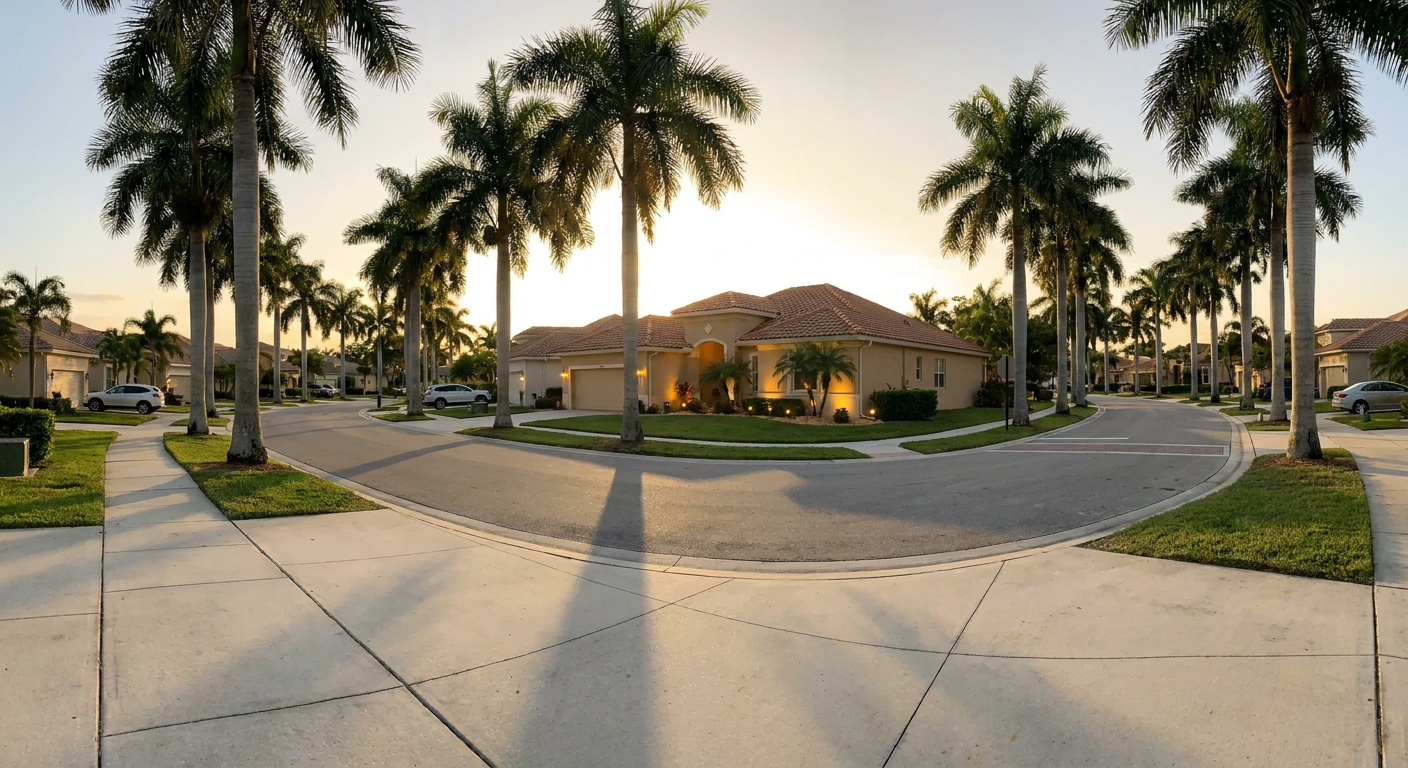
Lake Worth and the broader Palm Beach County area offers a recovery ecosystem that’s difficult to find anywhere else in the country. South Florida has one of the highest densities of sober living communities and 12-step support infrastructure in the United States. Year-round outdoor access, consistent weather, and a physically active culture all support the lifestyle changes that reinforce sobriety. For men coming from colder northern states or from environments saturated with triggers, the setting itself becomes part of the therapeutic context.
If you’re comparing options across South Florida, understanding how outpatient programs in nearby areas differ can help you choose the right location for your specific situation.
What to look for in an outpatient program
A 2022 SAMHSA national survey of treatment outcomes found that programs using evidence-based clinical protocols had a 42% higher rate of program completion compared to those using non-standardized approaches. Completion rate is the single strongest predictor of long-term sobriety, which makes program quality the most consequential variable in your decision.
Here’s what to evaluate carefully before enrolling.
Evidence-based clinical modalities
Evidence-based treatment means the therapy used in a program has been tested in controlled clinical trials and shown to produce measurable outcomes. In addiction treatment, the primary modalities are Cognitive Behavioral Therapy (CBT), Dialectical Behavior Therapy (DBT), Eye Movement Desensitization and Reprocessing (EMDR), and Medication-Assisted Treatment (MAT) for opioid and alcohol use disorders.
A 2020 NIDA-backed trial of 540 participants found that CBT-based programs produced a 29% improvement in 6-month abstinence rates compared to programs using non-standardized counseling approaches. The mechanism is clear: CBT teaches specific skills for identifying and interrupting the thought patterns that precede use. It’s not just talk, it’s a clinical toolkit.
When evaluating any program, ask them to name the specific therapies they use by modality. If the answer is vague or if “counseling” is the only descriptor, keep looking.
Dual diagnosis treatment for co-occurring disorders
SAMHSA’s 2023 National Survey on Drug Use and Health found that 53% of men in substance use disorder treatment had at least one co-occurring mental health condition, most commonly anxiety disorders, major depression, or trauma-related disorders including PTSD. More than half.
Treating addiction without addressing the underlying mental health layer is one of the most reliable paths to relapse. The substance use and the mental health condition are not separate problems. They reinforce each other, and recovery from one requires treating the other. A program that screens for co-occurring disorders and delivers integrated dual diagnosis treatment isn’t offering a premium add-on, it’s offering complete care. A program that doesn’t is offering incomplete care.
Male-only vs. mixed-gender programs
A 2017 study published in the Journal of Substance Abuse Treatment examined group therapy participation across 320 men in gender-specific versus mixed-gender settings. Men in male-only group settings disclosed more during therapy sessions, engaged more consistently in confrontational therapeutic exercises, and reported higher overall satisfaction with treatment. The reason is straightforward: men in mixed-gender environments often self-censor around shame-based topics like sexual behavior, relationship violence, and emotional vulnerability, which happen to be some of the most clinically significant topics in addiction treatment.
When evaluating a facility that describes itself as male-focused, ask specifically whether group therapy sessions are gender-separated, not just whether the facility admits only men. The therapeutic benefit comes from the group composition, not the building.
Staff credentials and licensing
A 2021 SAMHSA workforce analysis found that treatment programs with a higher proportion of licensed clinical staff, specifically Licensed Clinical Social Workers (LCSWs), Certified Addictions Professionals (CAPs), and board-certified addiction medicine physicians, showed measurably better 90-day retention rates than programs staffed primarily with peer support specialists alone.
Before enrolling, request the clinical director’s credentials and ask about the staff-to-client ratio for both group and individual therapy. A ratio above 8:1 in group settings begins to compromise the quality of individual feedback each client receives. These aren’t uncomfortable questions, they’re reasonable due diligence.
Structure and accountability outside clinical hours
A 2019 study in Drug and Alcohol Dependence tracked 780 men through outpatient treatment and found that those who participated in structured aftercare programming, including alumni networks, peer recovery support, and case management, had a 47% lower relapse rate at 12 months compared to those who completed clinical programming with no structured transition support.
What happens between sessions is where recovery either holds or breaks down. Ask any program you’re evaluating what the structure looks like outside of scheduled clinical hours. Do they have partnerships with sober living facilities? Is there a case manager tracking your progress between sessions? What does the alumni network look like? The answers separate programs that treat an episode of addiction from programs that build recovery infrastructure.
Understanding levels of care and how to choose the right one
The American Society of Addiction Medicine (ASAM) publishes placement criteria that clinicians use to match patients to the appropriate level of care. ASAM’s own research, cited in their 2020 placement guidelines, found that patients placed according to formal clinical criteria showed a 38% improvement in treatment completion rates compared to self-selected placement.
In plain terms: the right level of care depends on four variables. The severity of your substance use, the stability of your living environment, the presence and severity of co-occurring mental health conditions, and your prior treatment history. A man leaving detox for the second time with active PTSD needs PHP. A man with six months of sobriety reinforcing his recovery needs standard outpatient. These are not interchangeable.
Don’t select a level of care based on schedule convenience. Get a formal assessment from a licensed clinician first, then make the decision. The assessment itself takes an hour and protects years of your life.
For context on what to expect from structured outpatient care beyond Palm Beach County, reviewing what outpatient recovery looks like across South Florida gives useful perspective on the full range of options.
Insurance, costs, and what to expect financially
The Mental Health Parity and Addiction Equity Act (MHPAEA) requires that insurance plans offering mental health and substance use disorder benefits provide coverage on terms no more restrictive than those applied to medical and surgical benefits. In practice, this means your commercial PPO insurance plan is legally required to cover outpatient addiction treatment.
PHP programs in Florida typically range from $1,200 to $2,500 per day when billed at full rate, with IOP ranging from $300 to $700 per session. Out-of-network PPO plans typically reimburse at 60 to 80 percent of the allowed amount after deductible, which significantly reduces the out-of-pocket exposure for most private-pay and PPO clients. Private-pay arrangements offer more flexibility in program selection and scheduling, without the administrative friction of prior authorization requirements.
Before making any calls to treatment programs, call your insurance provider and ask specifically about out-of-network outpatient behavioral health benefits, your deductible status, and whether there are annual visit limits on substance use disorder treatment. That information shapes every financial conversation you’ll have afterward.
Common mistakes men make when choosing an outpatient program
The most costly mistake is choosing based on schedule convenience rather than clinical fit. A 2020 study in the Journal of Addiction Medicine found that premature discharge from treatment, defined as leaving before the clinical recommendation, was associated with a 63% relapse rate within 90 days. Choosing the least intensive level of care to minimize disruption to your routine is a version of the same mistake.
The second is non-disclosure. Men entering treatment frequently minimize or omit mental health history, particularly trauma and anxiety, out of fear that it will complicate their admission or change how they’re perceived. Withholding that information doesn’t protect you, it prevents your treatment team from addressing the conditions most likely to drive relapse.
Commit to the full recommended program length before you enroll. Not the minimum weeks. The full clinical recommendation. Everything else is negotiation with your addiction, not with your treatment.
What the first week of outpatient treatment looks like
The first week begins with an intake assessment, typically two to three hours covering medical history, substance use history, mental health screening, and a structured clinical interview. This is where your level of care is confirmed and your individual treatment plan is built.
From there, group therapy sessions form the core of the weekly schedule, supplemented by individual therapy sessions, psychoeducation groups, and in PHP programs, additional clinical programming throughout the day. A 2021 study in the American Journal of Drug and Alcohol Abuse, tracking 490 men through outpatient programs, found that clients who attended every scheduled session in their first two weeks had a 71% program completion rate, compared to 39% for those who missed at least one session in the same window.
Show up to every session in the first two weeks. Not because the content of any single session is irreplaceable, but because early attendance is the single strongest behavioral predictor of whether you finish.
Questions to ask before you enroll
The right questions separate quality programs from average ones faster than any amount of website research. When you speak with any program for the first time, ask these:
What specific clinical modalities do you use, and can you name the licensed therapist delivering each one? This separates programs with genuine clinical depth from those relying on peer support alone.
Does your program screen for and treat co-occurring mental health disorders as part of the standard treatment plan? If co-occurring disorders are treated as an add-on or referral rather than integrated into the program, the answer matters.
Are group therapy sessions conducted in male-only settings? Not just whether the facility is single-gender, but whether the groups themselves are separated.
What is your staff-to-client ratio for individual therapy, and how frequently does each client receive one-on-one sessions? SAMHSA data consistently links higher individual therapy frequency to better outcomes.
What structured support exists between sessions and after program completion? Alumni programming, sober living partnerships, and case management are what the research identifies as predictors of 12-month sobriety.
A 2022 NIDA analysis found that programs offering structured post-treatment continuing care reduced relapse rates by 40% compared to programs with no formal aftercare. The quality of an aftercare answer tells you whether a program is investing in your long-term recovery or your enrollment.
For a fuller picture of what outpatient recovery programs involve before making calls, that background will strengthen every conversation you have with a clinical team.
What to do this week
Call a licensed clinical assessor or contact a program directly for a no-commitment intake evaluation. That is the one action this week. Not enrollment, not a final decision, just a clinical assessment that gives you accurate information about the right level of care for your specific situation.
The assessment takes an hour. The information it produces protects the next chapter of your life. Choosing a program before getting that assessment is choosing blind. Decisiveness here isn’t pressure, it’s protection.
Frequently asked questions
What is the difference between PHP and IOP in an outpatient drug and alcohol program?
PHP (Partial Hospitalization Program) runs five days a week for six or more hours per day and is designed for men stepping down from residential or detox programs or those with moderate-to-severe addiction and co-occurring disorders. IOP (Intensive Outpatient Program) typically runs three days a week for three hours per session and is designed for men who have stabilized enough to manage daily responsibilities while continuing active treatment. They are not interchangeable levels, and the right placement depends on a formal clinical assessment, not schedule preference.
Does insurance cover outpatient addiction treatment in lake worth, FL?
Yes. Under the Mental Health Parity and Addiction Equity Act, commercial insurance plans are legally required to cover substance use disorder treatment on terms comparable to medical and surgical benefits. Out-of-network PPO plans commonly reimburse 60 to 80 percent of allowed charges after deductible. Call your insurance provider before your first program inquiry and ask specifically about out-of-network outpatient behavioral health benefits.
Are there male-only outpatient programs in palm beach county?
Yes. Male-only outpatient programs exist in Palm Beach County and offer a specific therapeutic advantage: men in gender-specific group therapy settings disclose more openly, engage more consistently in treatment, and report higher satisfaction than men in mixed-gender settings. When evaluating facilities, confirm that group therapy sessions are male-only, not just that the facility admits only men.
How long does an outpatient drug and alcohol program typically last?
Program length depends on the level of care and individual clinical progress. PHP programs typically run four to six weeks. IOP programs typically run eight to twelve weeks. Standard outpatient counseling continues as long as clinically indicated, often six months to a year as a step-down from more intensive levels. Leaving before your clinical team recommends discharge significantly increases relapse risk.
What should I bring or prepare for my first week of outpatient treatment?
Bring your insurance card, a photo ID, a list of any current medications, and any prior treatment records you have access to. Mentally, prepare to participate fully in group sessions from the first day, not to observe. The research on early engagement is clear: the more present you are in the first two weeks, the more likely you are to complete the program.
Can out-of-state men attend an outpatient drug and alcohol program in lake worth, FL?
Yes. South Florida is a common destination for men from across the country who want geographic distance from the environments associated with their addiction. Lake Worth and Palm Beach County have a strong infrastructure for out-of-state clients, including sober living partnerships, transportation support, and an active recovery community. Many programs work directly with out-of-state insurance plans and can assist with the verification process before arrival.