


Choosing the right level of addiction care is one of the most consequential decisions you or your family will make, and for many adult men, a partial hospitalization program in Lake Worth, Florida represents the most clinically appropriate place to start that work. PHP sits at the high-intensity end of outpatient treatment, structured enough to deliver real clinical depth, flexible enough to let you sleep outside a hospital each night. Understanding exactly what it is, who it serves, and what to expect removes the fear of the unknown and helps you move forward.
What a partial hospitalization program actually is
SAMHSA defines partial hospitalization as a minimum of 20 clinical hours per week, typically delivered across five days, with clients returning to a supervised residence or sober living environment each evening. That structure matters. PHP is not a watered-down version of inpatient care, and it is not glorified outpatient. It is a distinct level with its own clinical intensity and its own clinical purpose.
A 2021 review published in the Journal of Substance Abuse Treatment, analyzing outcomes across 4,400 patients, found that PHP produced comparable abstinence rates to inpatient residential care at 12-month follow-up for patients who were medically stable and had appropriate housing. The key phrase there is medically stable. PHP is not the right setting for someone still in acute withdrawal, but for someone past that threshold, the research supports it as a genuinely effective primary level of care, not a consolation prize.
What this means in practice: if you are not currently in medical crisis, PHP gives you full clinical programming during the day while preserving your connection to real life in the evenings, a balance that inpatient care cannot offer.
Who PHP is designed for
The clinical profile for PHP is specific. You have completed detox or residential stabilization, you are medically stable, and you are dealing with substance use disorder that requires more structure than weekly outpatient sessions can provide. For many men entering The Palms Recovery’s PHP, a co-occurring mental health condition is also part of the picture, depression, anxiety, trauma, or a combination of all three.
A 2020 study published in Drug and Alcohol Dependence, examining 3,200 men in structured treatment programs, found that 63% met diagnostic criteria for at least one co-occurring psychiatric disorder. That is not a minority population. That is the norm. Programs that treat addiction without addressing what runs alongside it leave men vulnerable to relapse the moment a mental health symptom resurfaces.
When you speak with an admissions team, the questions to ask are direct: Does your PHP treat co-occurring disorders as part of the primary program, or is mental health treatment added separately? What psychiatric support is available on-site? These two questions quickly separate integrated dual-diagnosis care from programs that bolt on mental health as an afterthought. You can also review how Palm Beach County approaches PHP for substance abuse to understand what the regional standard looks like before making your call.
The role of co-occurring mental health conditions
Integrated dual-diagnosis treatment inside PHP means that the same clinical team managing your addiction recovery is also managing your depression, anxiety, or trauma. It does not mean separate appointments with separate providers who may never speak to each other.
A 2019 meta-analysis in JAMA Psychiatry, covering 18 randomized controlled trials and over 2,000 patients with co-occurring substance use and mood disorders, found that integrated treatment produced significantly better outcomes on both substance use and psychiatric measures than sequential or parallel treatment models. The mechanism is straightforward: addiction and mental health conditions feed each other, and treating one without the other leaves the cycle intact.
Day-to-day, integration looks like this. Your individual therapist holds clinical awareness of both your substance use history and your psychiatric diagnosis. Group sessions address relapse triggers and emotional regulation skills within the same session, not in separate silos. Medication management, if relevant, is coordinated with your addiction treatment rather than managed in isolation.
When PHP follows residential treatment
PHP is most commonly entered as a step-down from residential or inpatient treatment, not as a first stop. The step-down model exists because clinical momentum is fragile. Men who discharge from residential without transitioning into a structured next level face a sharp statistical drop in outcomes.
A 2018 study in Substance Abuse, following 1,100 patients through a continuum-of-care model, found that patients who completed a structured step-down from residential to PHP had a 34% higher rate of sustained sobriety at six months compared to those who discharged directly to outpatient or no care. The timing of the transition is the variable that matters most. Moving into PHP within 72 hours of residential discharge preserves the clinical context and peer relationships built during the earlier phase. Waiting longer allows the environment, old contacts, and old habits to reassert themselves.
A typical day in a lake worth PHP
Arrival at a Lake Worth PHP typically starts between 9 and 9:30 in the morning. The day runs through mid-afternoon, usually closing around 3 or 4 PM, with clinical programming filling most of that window. A structured morning might open with a check-in group, move into a two-hour evidence-based therapy block, break for lunch, and resume with psychoeducation, a skills-based group, and then a closing process group before discharge.
A 2022 study from the Journal of Psychiatric Research, tracking 600 PHP patients over 90 days, found that programs delivering six or more structured clinical hours daily produced significantly lower rates of relapse and psychiatric crisis compared to programs offering fewer than four hours. Structure itself is therapeutic. Predictability reduces anxiety, and reduced anxiety reduces craving. The day has a shape, and that shape is part of the treatment.
For your first day, bring a form of photo ID, your insurance card, a list of current medications with dosages, and comfortable clothes. Leave anything that would distract you from clinical engagement. The first day involves an orientation, a more detailed clinical assessment, and introduction to your primary therapist. Nothing is expected of you except that you show up and participate.
Group therapy and peer accountability
Group therapy is the backbone of PHP, and not for logistical reasons. The research is clear that group-based treatment adds something individual therapy cannot replicate.
A 2020 Cochrane review of group therapy for substance use disorders found that patients in structured group formats showed superior outcomes on engagement, retention, and relapse rates compared to those receiving individual therapy alone, with the peer accountability mechanism identified as the active ingredient. When you are sitting across from another man who is two weeks further into recovery than you are, or two weeks behind, something shifts. It is harder to minimize what you are experiencing when others in the room recognize it.
In practice, group sessions in PHP span several evidence-based formats. Cognitive Behavioral Therapy groups target the thinking patterns that sustain addictive behavior. Process groups focus on emotional experience and interpersonal dynamics. Skills-based sessions teach concrete tools from Dialectical Behavior Therapy, distress tolerance, emotional regulation, and interpersonal effectiveness. All of this happens in a room of adult men navigating the same terrain, which creates a specific kind of accountability that accelerates recovery.
Individual therapy and treatment planning
Individual therapy inside PHP typically runs one to three sessions per week, depending on clinical need. Your primary therapist is the person who holds your individualized treatment plan, tracks your progress against it, and adjusts the clinical approach when something is not working.
A 2021 study in Psychological Medicine, analyzing 800 patients in PHP settings, found that individualized treatment planning updated weekly was associated with a 28% improvement in treatment retention compared to plans reviewed monthly. The plan is a living document, not intake paperwork. Modalities used in individual sessions vary by clinical presentation. CBT addresses thought patterns and behavioral cycles. DBT skills are applied to emotional regulation challenges. Trauma-informed approaches, including EMDR in some settings, address underlying trauma that often underlies or sustains addiction.
In your first week, ask your primary therapist one specific question: “What is the single clinical priority for my treatment right now?” That question anchors the relationship and ensures your individual sessions are doing targeted work rather than covering general ground.
Insurance, cost, and what PPO coverage typically covers
PHP is generally covered by commercial PPO insurance, including out-of-network benefits. Understanding what that means before your first call saves time and reduces anxiety about the financial side of treatment.
Under the Mental Health Parity and Addiction Equity Act, insurers are required to cover behavioral health treatment, including PHP, at a level comparable to medical and surgical benefits. Out-of-network PPO benefits mean you are not limited to in-network providers only. You pay a higher out-of-pocket share, but the insurer still covers a substantial portion of the cost. The actual numbers depend on your specific plan, your deductible status, and your out-of-pocket maximum.
The action before your first admissions call: pull out your insurance card and locate your member ID and the number for behavioral health benefits. Call that number and ask two things. First, do you have out-of-network benefits for partial hospitalization? Second, what is your current deductible balance and out-of-pocket maximum? That information lets an admissions team give you an accurate picture of what you will owe. Most PHP programs also offer a no-cost insurance verification process before any commitment is made.
Why location matters: lake worth and palm beach county
Distance from your home environment is not a perk. For many men, it is a clinical requirement.
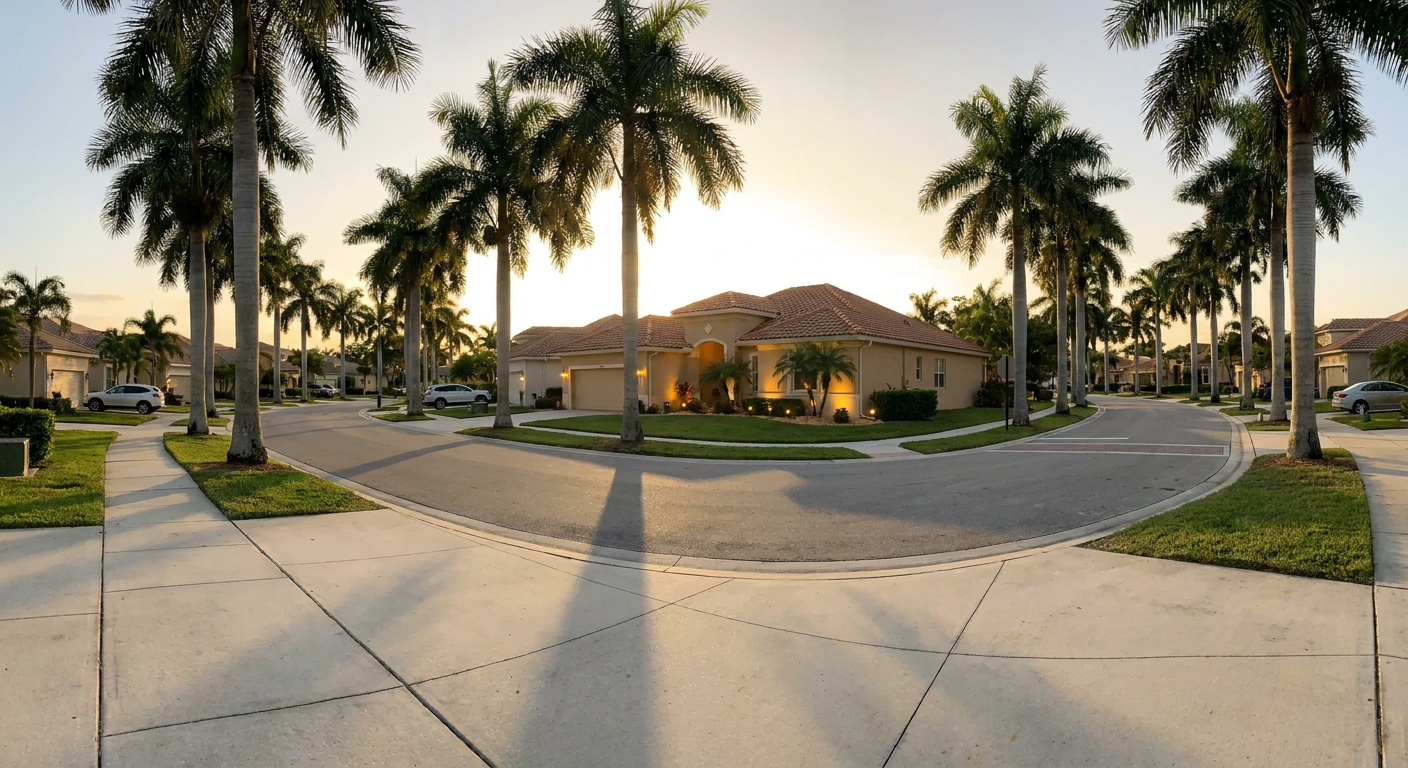
A 2019 study from Environmental Health and Preventive Medicine, examining stress biomarkers in 400 adults, found that proximity to natural environments, including coastal settings, produced measurable reductions in cortisol levels within two weeks of sustained exposure. Lower baseline stress means fewer physiological triggers for craving. The Lake Worth and Palm Beach County setting, with its climate, green space, and proximity to the coast, reduces environmental stressors that sustained use environments intensify.
For out-of-state clients, geographic separation serves a second purpose: it removes proximity to the people, places, and situations that were part of the addiction. That distance is not avoidance. It is a structural condition that makes early recovery work possible. For those evaluating programs in the broader region, understanding what PHP looks like in West Palm Beach provides useful context for comparison.
When evaluating a facility, ask specifically about the physical environment. Is programming held in a clinical space that feels separate from an institutional hospital setting? What does the outdoor space look like? Where are clients staying in the evenings? The answers to those questions tell you whether the setting is genuinely designed for recovery or simply functional.
How PHP differs from intensive outpatient (IOP) and inpatient
The continuum of care runs from medically managed inpatient detox at one end through standard outpatient at the other. PHP sits between residential and IOP, and the distinctions are clinically meaningful.
Inpatient or residential treatment means 24-hour supervised care, typically 30 to 90 days, with no independent departure from the facility. PHP delivers 20 or more clinical hours per week across five days, with evenings and weekends spent in a residence. IOP typically runs 9 to 15 hours per week across three days, appropriate for men who have established stability and need structured support while reintegrating. Standard outpatient, one to two sessions per week, is maintenance-level care, not a primary treatment modality for active severe addiction.
The American Society of Addiction Medicine’s Level of Care criteria (ASAM criteria) provide the clinical framework for placement decisions. The relevant factors include withdrawal risk, biomedical conditions, emotional and behavioral stability, readiness for change, relapse potential, and recovery environment. If you want to use this framework in a conversation with a treatment professional, you can simply ask: “Based on ASAM criteria, what level of care would you recommend and why?” A qualified clinician gives you a specific answer grounded in those dimensions, not a generic recommendation. For a thorough breakdown of what PHP involves at a foundational level, this overview of the partial hospitalization level of care covers the clinical definitions in detail.
What families and loved ones can expect
If you are reading this as a family member, your role in your son’s or brother’s or partner’s recovery is significant, and it is defined differently than you might expect.
A 2022 study in Family Process, examining 500 families with a member in structured addiction treatment, found that active family involvement in treatment, through structured family sessions and therapist-guided communication, improved 12-month sobriety rates by 27% compared to families with no formal involvement. Involvement does not mean constant contact or daily check-ins. It means structured participation in the recovery process as the treatment team defines it.
PHP programs typically offer weekly family therapy sessions, communication guidelines, and psychoeducation about addiction and co-occurring disorders. The most concrete thing a family member can do in the first weeks of treatment is to attend every scheduled family session without missing one. That single action signals investment and creates the relational conditions that support long-term recovery. What to avoid is as important as what to do: managing logistics, shielding consequences, and providing financial resources without clinical guidance all constitute enabling, regardless of intention.
Common fears and what the evidence says
Three fears come up consistently in the days before someone enters PHP, and each one deserves a direct response.
The fear about employment: the Family and Medical Leave Act provides eligible employees up to 12 weeks of job-protected leave for a serious health condition, which includes substance use disorder requiring treatment. Confidentiality protections under HIPAA mean your employer does not have access to your diagnosis or treatment details. Many men in PHP attend programming during business hours and their employers know only that they are taking medical leave.
The fear that PHP is as disruptive as inpatient: it is not. You return to your residence each evening. You maintain connection with the outside world. The intensity is clinical, not custodial.
The fear about prior failed treatment: this one is worth addressing with data. A 2019 study in Alcoholism: Clinical and Experimental Research, following 1,200 adults through multiple treatment episodes, found that each engagement with treatment increased the probability of long-term recovery, even after multiple prior attempts. The mechanism is cumulative: each episode builds insight, skill, and awareness of triggers. Prior attempts are not evidence that recovery is impossible. They are evidence that the right level and combination of care has not yet been found. Understanding more about PHP options in Palm Springs and across the region can help contextualize what a different treatment environment offers compared to prior experiences.
Taking the first step
Before the end of today, take one action: call for a free insurance verification. You do not need to commit to anything. You do not need to have made a decision. You simply provide your insurance information and ask what PHP coverage looks like for your plan. That call takes less than fifteen minutes and gives you real information instead of fear-based speculation.
The decision to explore PHP is itself a form of progress. It means you or someone you love is taking the question seriously. Every clinician who treats addiction will tell you that the distance between exploring treatment and entering treatment is far shorter than the distance between denial and asking the question in the first place. You have already closed the larger gap. The next step is a single phone call.
Frequently asked questions
How many hours per day is PHP at a lake worth facility?
PHP programs in Lake Worth typically run five days per week with a minimum of five to six clinical hours per day, meeting the SAMHSA threshold of 20 or more clinical hours weekly. At The Palms Recovery, the schedule is structured to maximize clinical contact during daytime hours while allowing clients to return to their residence each evening.
Do I need to complete detox before entering PHP?
Yes. PHP is designed for men who are medically stable and past the acute withdrawal phase. If you have not yet completed a medically supervised detox, that step comes first. An admissions team can help you arrange detox and then transition directly into PHP as part of a coordinated continuum of care.
Is PHP covered by my PPO insurance?
Commercial out-of-network PPO plans typically carry behavioral health benefits that cover PHP, though the specific coverage percentage, deductible, and out-of-pocket maximum vary by plan. Federal parity law requires insurers to cover behavioral health treatment comparably to medical benefits. The fastest way to get accurate numbers is to request a no-cost insurance verification from the facility before your first formal call.
What makes a lake worth PHP different from one in a major hospital system?
Hospital-based PHP programs are often large, rotational, and designed for general psychiatric stabilization rather than addiction recovery with dual-diagnosis focus. A specialty men’s PHP in Lake Worth operates within a smaller, structured environment where the clinical team knows you across all levels of care, and where the programming is specifically designed for substance use disorder and co-occurring mental health conditions in adult men.
How long does PHP typically last?
Most men spend between four and eight weeks in PHP, though clinical need determines the actual length. Progress in treatment, stability of co-occurring conditions, strength of the recovery environment in the evenings, and readiness to step down to IOP all factor into the transition decision. There is no fixed discharge date at admission.
Can family members visit during PHP?
Family involvement is structured through scheduled family therapy sessions rather than open visitation. This keeps the clinical environment focused and ensures that family engagement is therapeutic rather than disruptive. Family sessions typically begin within the first two weeks of PHP enrollment.