


According to the Substance Abuse and Mental Health Services Administration, more than half of men seeking addiction treatment have a co-occurring mental health condition, and PTSD is among the most common. If you’ve been through treatment before and relapsed, the reason may not be a lack of willpower. It may be that the trauma was never treated. This guide covers what to look for in PTSD and substance abuse treatment in South Florida, how to evaluate programs, and how to avoid the mistakes that lead men back to square one.
Why PTSD and substance abuse occur together
A 2020 VA analysis of over 400,000 veterans found that men with PTSD were between two and four times more likely to develop a substance use disorder than those without a trauma diagnosis. That number holds across civilian populations as well. The connection isn’t coincidence. It’s neurological.
Trauma physically rewires the brain’s stress-response system. The amygdala, which regulates threat detection, becomes chronically overactivated. The prefrontal cortex, which normally puts the brakes on fear responses, loses influence. The result is a nervous system that reads ordinary situations as dangerous, keeps cortisol elevated, and makes rest feel impossible. Substances, particularly alcohol and opioids, temporarily suppress that response. For a few hours, the hypervigilance quiets and the body gets relief. That relief becomes the reward the brain learns to seek.
The practical consequence: if you stop using substances without addressing the trauma that drove the use, the underlying trigger remains fully intact. The stress response doesn’t disappear because the bottle does.
The self-medication trap
The National Comorbidity Survey Replication found that men with untreated PTSD were significantly more likely to use alcohol and opioids specifically to manage hyperarousal symptoms: the racing heart, intrusive thoughts, and inability to sleep that define the disorder. The mechanism is straightforward. Substances reduce cortisol and adrenaline spikes in the short term, which trains the brain to associate them with relief. Over weeks and months, the brain’s reward circuitry locks in that association. The craving stops being about pleasure and starts being about survival.
Recognizing this pattern matters because it changes how you evaluate treatment. A program that only addresses the substance use is treating the answer the brain found for a problem that still exists. The right starting question for any program you consider is whether they screen for PTSD at intake and carry that diagnosis into active treatment alongside addiction work.
Why single-diagnosis treatment fails
A study published in the Journal of Substance Abuse Treatment found that patients with untreated PTSD had significantly higher relapse rates during addiction recovery compared to those who received simultaneous trauma treatment. The finding is consistent across multiple studies: detox clears the substance, but if the trauma that triggered the use remains unaddressed, the neurological pressure to self-medicate returns. A 12-step-only program or a short detox without trauma-specific therapy leaves that pressure intact.
When you call any program, ask directly: “Do you have a licensed trauma specialist on staff who treats PTSD as part of addiction recovery, not as a referral for later?” The answer tells you quickly whether you’re looking at a dual diagnosis program or a single-track rehab using dual diagnosis language.
What integrated dual diagnosis treatment actually looks like
Sequential treatment means addressing addiction first, then referring you somewhere else for trauma work months later. Parallel treatment means two providers treating two conditions in separate silos, rarely communicating. Integrated treatment means both conditions are addressed by the same clinical team, simultaneously, with one coordinated plan. The distinction matters enormously.
A 2020 NIDA review of co-occurring disorder outcomes found that integrated treatment produced significantly better results on both substance use and PTSD symptom measures compared to sequential or parallel approaches. What that looks like in practice: individual trauma therapy and addiction counseling happening in the same week, with the same treatment team sharing notes and adjusting the plan together. Psychiatric medication management runs alongside both. Group therapy addresses the intersection of trauma and substance use, not one or the other.
When you’re evaluating programs that treat both conditions together, ask specifically how the trauma therapist and addiction counselor communicate. If the answer involves weekly case conferences and a shared treatment plan, that’s integration. If the answer is vague, it probably isn’t.
Evidence-based therapies for PTSD and addiction
Three modalities have the strongest research base for treating co-occurring PTSD and substance use disorder. Cognitive Processing Therapy (CPT) helps you identify and challenge distorted beliefs that developed from trauma, particularly the kind of self-blame and threat-generalization that keeps PTSD active. Eye Movement Desensitization and Reprocessing (EMDR) uses bilateral stimulation to help the brain reprocess traumatic memories so they lose their triggering charge. Seeking Safety is a structured, present-focused therapy designed specifically for people with both PTSD and addiction, teaching coping skills before trauma processing begins so the nervous system is stable enough to handle deeper work.
A 2019 VA randomized controlled trial of CPT in men with comorbid PTSD and substance use disorder found significant reductions in both PTSD symptom severity and substance use at 12-week follow-up. When you’re evaluating a program, ask which of these three therapies they use, how frequently sessions occur per week, and whether therapists hold specific certifications in trauma treatment. A program that cannot name their modalities is not delivering structured care.
Medication-assisted treatment in a dual diagnosis context
The FDA and NIDA have both established evidence for medications that address co-occurring PTSD and alcohol use disorder simultaneously. Naltrexone reduces alcohol cravings by blocking the opioid receptors that make drinking rewarding, and research shows it maintains efficacy even in men with active PTSD. Prazosin, originally developed for blood pressure, has a strong evidence base specifically for reducing PTSD-related nightmares and hyperarousal, which in turn reduces the neurological pressure to self-medicate.
The practical point here: ask any program whether a psychiatrist manages medication throughout treatment. Not a counselor, not a nurse practitioner working from a standing protocol. A psychiatrist who can adjust medications as both PTSD symptoms and withdrawal dynamics shift. That level of medical oversight is what separates residential dual diagnosis care from a program that simply prescribes and moves on.
How to evaluate a PTSD and substance abuse treatment program in south florida
Florida has more licensed treatment facilities than almost any other state. The Florida Department of Health oversees hundreds of programs across the state, which means the range in clinical quality is wide. The presence of a facility in Palm Beach County does not itself indicate quality. The criteria below are how you tell the difference.
Licensing, accreditation, and clinical staff credentials
Two accreditations matter: Joint Commission (JCAHO) and CARF. Both require facilities to meet documented standards for clinical practice, safety, and outcomes tracking. Florida’s Department of Children and Families (DCF) licensure is the baseline state requirement, but accreditation goes further. A 2017 SAMHSA report found measurable quality disparities between accredited and non-accredited facilities on measures including staff credentials, treatment planning, and outcomes monitoring.
Beyond accreditation, ask about the clinical team specifically. Are there Licensed Clinical Social Workers (LCSWs), licensed psychologists (PhD or PsyD), or licensed mental health counselors (LMHCs) with documented trauma specialization? Verify a program’s accreditation status directly on the Joint Commission website before calling admissions. It takes two minutes and removes any ambiguity.
Trauma-informed environment and structure
“Trauma-informed care” appears on nearly every program’s website. In practice, it means something specific: a physical environment that prioritizes safety, a predictable daily schedule that reduces uncertainty (a major PTSD trigger), staff trained to de-escalate rather than confront, and a client-to-therapist ratio low enough for real therapeutic relationships to form.
SAMHSA’s trauma-informed care framework research demonstrates that environment directly impacts treatment retention, particularly for men with hypervigilance and avoidance symptoms. A chaotic or unpredictable treatment setting can actually reinforce trauma responses rather than treat them. Ask admissions directly: what is the client-to-therapist ratio, and what trauma-specific training does every member of the clinical staff complete? If the ratio is above 8:1 or the training answer is vague, keep looking.
Length of stay and level of care
NIDA’s research is unambiguous: 90 days is the minimum effective treatment length for co-occurring disorders, and outcomes improve with longer stays. The continuum of care runs from medical detox through residential (or partial hospitalization) to intensive outpatient (IOP) to aftercare planning. Each phase serves a distinct clinical purpose, and gaps between them are where relapse most often occurs.
For men managing both PTSD and addiction, the transition out of residential treatment deserves as much scrutiny as the program itself. A quality program will have a documented step-down plan that connects you to outpatient therapy, psychiatric follow-up, and peer support before discharge. Programs that treat South Florida residents as well as men dealing with anxiety and co-occurring substance use often use the same structured continuum, which gives you a useful comparison point when evaluating options.
Insurance, cost, and paying for treatment in south florida
The Mental Health Parity and Addiction Equity Act requires that commercial insurers cover substance use and mental health treatment at parity with medical and surgical care. For men with out-of-network PPO coverage, this means a residential dual diagnosis program may be substantially reimbursed even if it’s outside the insurer’s network. A 2022 KFF analysis found that out-of-network mental health and SUD claims were processed at parity in the majority of commercial PPO plans reviewed.
How to use out-of-network PPO benefits
Out-of-network benefits work like this: after you meet your deductible, the insurance company reimburses a percentage of the allowed amount for covered services, even at facilities outside their network. The percentage is typically 60 to 80 percent of the allowed amount, depending on your plan.
Before calling any program’s admissions team, call the member services number on the back of your insurance card and ask three things: what is the out-of-network deductible for residential mental health and substance use disorder treatment, what is the coinsurance percentage after the deductible, and what documentation does the facility need to submit for reimbursement. Request the Explanation of Benefits and out-of-network benefit summary in writing. Armed with those numbers, any program’s admissions team can run a benefits verification and give you a concrete cost estimate.
Private pay and what it covers
For men paying out of pocket, private-pay rates at quality South Florida residential programs typically bundle clinical care, housing, meals, medication management, and aftercare planning into a single daily or weekly rate. Florida residential treatment costs vary, but quality dual diagnosis programs in Palm Beach County generally fall in a range that reflects the staffing ratios and clinical depth the treatment requires.
Ask for an itemized breakdown before committing. A program that can clearly show you what each component of your stay covers is operating transparently. One that cannot or will not provide that breakdown warrants scrutiny.
Why south florida, specifically palm beach county, is a strong choice for treatment
Geographic separation from the environment where addiction developed is itself therapeutic. A 2019 study in the Journal of Substance Abuse Treatment found that residential treatment, particularly when it involved physical distance from home environments, produced significantly better outcomes for men with trauma histories compared to outpatient-only approaches. The mechanism is straightforward: the cues that trigger both PTSD responses and cravings are often location-specific. Distance removes them.
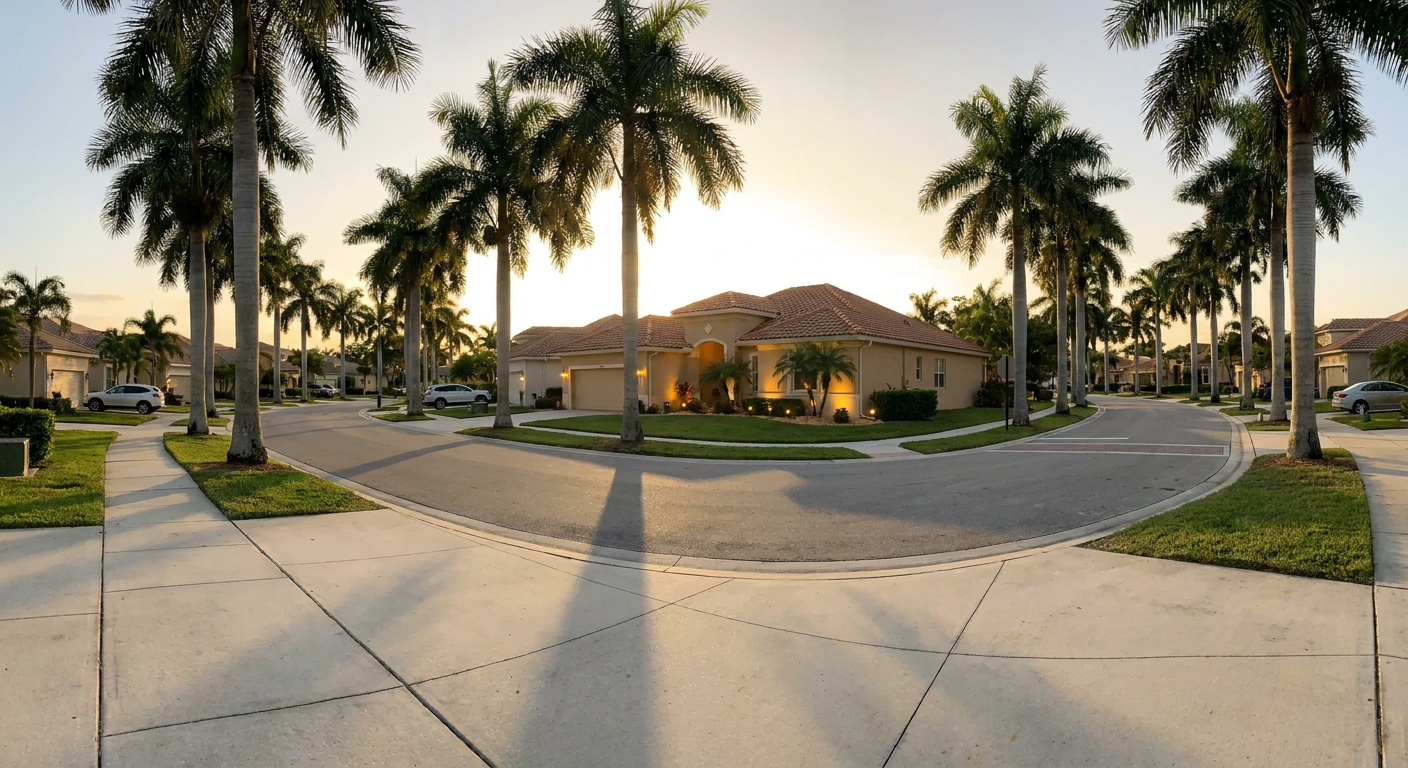
Palm Beach County adds specific advantages beyond geography. The climate is stable year-round, which supports structured outdoor therapeutic activities and reduces the kind of environmental disruption that destabilizes men early in recovery. The county has one of the most established recovery communities in the country, with peer support networks that extend well beyond formal treatment. Proximity to natural settings, including waterways and green space, supports the kind of calm, regulated nervous system state that trauma recovery requires.
For men exploring co-occurring disorder treatment in the Palm Springs area, the combination of a structured residential environment and an active local recovery community represents a meaningful clinical advantage over urban settings.
Common mistakes to avoid when choosing a program
Choosing a program based on amenities over clinical depth is the most common and costly error. A private room and a pool do not treat PTSD. Ask about the clinical model before you ask about the accommodations.
Selecting a facility that treats addiction without a licensed trauma specialist on staff is the second mistake. If the program cannot name a credentialed trauma therapist and specify how many individual sessions per week you’ll receive with that person, the trauma component is likely supplementary rather than integrated.
Leaving treatment before 90 days is the third. A 2018 study published in Drug and Alcohol Dependence found that men who completed 90 or more days of residential treatment had substantially lower relapse rates at one-year follow-up compared to those who left early. The discomfort of early recovery is real, but it peaks well before the 90-day mark. Leaving at 30 or 45 days means exiting treatment at the point of maximum vulnerability.
What recovery from PTSD and addiction looks like after treatment
A longitudinal study published in the Journal of Traumatic Stress tracked men who completed integrated dual diagnosis residential treatment over three years. The majority who engaged with continuing care, meaning outpatient therapy, psychiatric follow-up, and peer support, maintained sobriety and showed sustained PTSD symptom reduction. The men who did not engage with structured aftercare relapsed at significantly higher rates within six months of discharge.
The residential phase stabilizes you. It removes you from the environment, addresses acute withdrawal, begins trauma processing, and builds coping capacity. But the 12 months after discharge are where the work either holds or doesn’t. That means ongoing outpatient therapy with a trauma-trained clinician, consistent psychiatric follow-up if medication is part of your plan, and connection to a peer support community that understands co-occurring conditions. Expect recovery to be a structured, ongoing process, not a destination you arrive at after discharge.
The one step to take this week
Call the admissions line of any program you’re considering and ask two questions: “Do you treat PTSD and addiction simultaneously with the same clinical team?” and “What is your client-to-therapist ratio?” Those two questions cut through the marketing faster than anything else. A program that answers both clearly and specifically, naming their trauma modalities and giving you an actual ratio, is worth a longer conversation. One that pivots to amenities or gives vague answers to either question is telling you something important about its clinical infrastructure.
Frequently asked questions
What is the difference between PTSD treatment and integrated dual diagnosis treatment?
PTSD treatment alone addresses trauma symptoms without targeting substance use. Dual diagnosis treatment addresses both conditions simultaneously, with a single clinical team managing trauma therapy, addiction counseling, and psychiatric medication in a coordinated plan. For men with co-occurring PTSD and addiction, integrated treatment produces significantly better outcomes than treating either condition in isolation.
How do I know if I have PTSD alongside my addiction?
A formal diagnosis requires evaluation by a licensed clinician, typically through a structured clinical interview at intake. Common indicators include intrusive memories or flashbacks, hypervigilance, avoidance of people or places associated with a traumatic event, difficulty sleeping, and emotional numbness. Many men don’t recognize these as PTSD symptoms until a trauma-informed clinician completes an assessment. Any quality residential program screens for trauma at intake.
Does insurance cover residential PTSD and substance abuse treatment in south florida?
Out-of-network PPO plans typically cover a substantial portion of residential dual diagnosis treatment under federal mental health parity law. The exact amount depends on your deductible, coinsurance percentage, and out-of-network benefit structure. Call the member services number on your insurance card before contacting any program, and ask specifically about out-of-network residential mental health and substance use disorder benefits.
How long does treatment for co-occurring PTSD and addiction take?
NIDA’s research establishes 90 days as the minimum effective length for co-occurring disorders. Many men benefit from longer residential stays, followed by intensive outpatient and continuing care. The residential phase is the beginning of recovery, not the entirety of it. The 12 months after discharge, with structured outpatient therapy and psychiatric follow-up, are where long-term outcomes are determined.
Why do men with PTSD relapse more often after standard addiction treatment?
Standard addiction treatment that doesn’t address trauma leaves the underlying neurological trigger intact. The brain has learned to use substances to suppress hyperarousal and stress-response symptoms driven by PTSD. When the substance is removed but the trauma is untreated, the stress response remains active and the pressure to self-medicate returns. Integrated dual diagnosis treatment addresses both the addiction and the trauma simultaneously, which breaks the cycle rather than removing only half of it.
Is it possible to fully recover from both PTSD and addiction?
Longitudinal research shows that men who complete integrated residential treatment and engage with structured continuing care, including ongoing therapy, psychiatric follow-up, and peer support, achieve sustained sobriety and significant PTSD symptom reduction over time. Recovery is not linear, and both conditions require ongoing management. But full, functional recovery is a realistic and well-documented outcome for men who receive appropriate integrated care and remain engaged with aftercare.