


PTSD does not stay in the past. A 2023 National Institute of Mental Health report estimated that 3.6% of U.S. adults meet full diagnostic criteria for PTSD in any given year, with men more likely than women to develop substance use disorders as a direct response to untreated trauma. If you are searching for PTSD treatment in Palm Springs, Florida, this guide walks you through what effective care actually looks like, what separates genuine trauma treatment from programs that simply label themselves trauma-informed, and how to make a sound decision for yourself or someone you care about.
What PTSD actually does to the brain (and why that matters for treatment)
A landmark 2018 study published in Neuropsychopharmacology, drawing on neuroimaging data from over 3,000 veterans and civilians, confirmed what clinicians had long observed: PTSD physically alters the structure and function of the amygdala, prefrontal cortex, and hippocampus. The amygdala becomes hyperreactive, treating ordinary stimuli as threats. The prefrontal cortex, responsible for rational appraisal and emotional regulation, loses its ability to override those threat signals. The hippocampus, which helps the brain place memories in time and context, shrinks measurably under chronic stress hormone exposure.
What this means in practice: the brain is not being dramatic. It has been rewired by repeated exposure to overwhelming stress, and it now operates in a near-constant state of threat detection. Standard addiction treatment that focuses entirely on substance use patterns without addressing this underlying neurological shift is not just incomplete. It is almost guaranteed to fail. The stress-response system that drove you toward substances in the first place remains untouched, and the substances themselves were never the root problem.
Why PTSD and addiction almost always arrive together
A 2016 study in the Journal of Traumatic Stress, analyzing data from 36,309 adults in the National Epidemiologic Survey on Alcohol and Related Conditions, found that men with PTSD are 2.06 times more likely to develop alcohol use disorder and 2.97 times more likely to develop drug use disorder compared to men without PTSD. Among combat veterans specifically, that co-occurrence rate climbs higher still.
The mechanism is straightforward, and recognizing it is the first clinical move in genuine trauma care. Alcohol quiets the amygdala. Opioids blunt emotional pain that the brain cannot otherwise regulate. Stimulants temporarily override the deadening numbness of dissociation. You are not weak for having used substances this way. You found something that worked in the short term to manage a neurological state that felt unlivable. Understanding this pattern is not a moral judgment. It is the starting point for building a treatment plan that actually addresses both problems at their shared root.
The types of PTSD that show up in men
The DSM-5 defines PTSD by four symptom clusters: intrusion, avoidance, negative cognitions and mood, and alterations in arousal and reactivity. But the way those clusters present in men tends to look different from how the condition is described in clinical literature that skews toward women. A 2019 review in Clinical Psychology Review, examining 47 studies on sex differences in PTSD presentation, found that men are significantly more likely to externalize: to present with anger, risk-taking, irritability, and substance use rather than the classic re-experiencing and hypervigilance symptoms more often described in female patients.
That distinction matters for diagnosis. If a program is not looking for the male-typical presentation, it will miss the diagnosis entirely.
The trauma types that most commonly drive men into treatment in Palm Springs and across Palm Beach County include combat and military service, childhood physical or sexual abuse, serious accidents and occupational trauma, sudden loss or witnessing violence, and prolonged interpersonal abuse. Each carries its own clinical fingerprint, and the treatment approach needs to match.
Acute vs. chronic PTSD
Acute PTSD develops within the first three months following a traumatic event. Chronic PTSD, by contrast, persists beyond three months and typically involves deeply entrenched avoidance patterns, significant neurological adaptation, and years of symptom management through substances or behavioral coping. According to the VA/DoD Clinical Practice Guideline for PTSD (2023 update), chronic PTSD requires longer and more intensive treatment than acute presentations, particularly when substance use has been masking symptoms for years.
Before your first clinical conversation, note how long you have been experiencing symptoms. Not just when they became undeniable, but when you first started using something to manage them. That timeline tells the clinical team a great deal about what kind of program intensity you actually need.
Complex PTSD and why it gets missed
Complex PTSD (C-PTSD) results from prolonged, repeated trauma, particularly trauma that occurred in situations where escape was impossible or where the perpetrator was a trusted person. The International Society for Traumatic Stress Studies (ISTSS) published updated treatment guidelines in 2019 explicitly distinguishing C-PTSD from single-incident PTSD, noting that standard trauma protocols alone are insufficient and that stabilization work must precede trauma processing.
C-PTSD is frequently underdiagnosed in men who have been in long-term addiction, because the substance use has suppressed the emotional dysregulation that would otherwise make the diagnosis visible. When you speak with an intake coordinator, name the following directly: prolonged trauma history, difficulty regulating emotions, persistent problems with identity or relationships, and chronic feelings of shame or emptiness. These are the clinical flags that distinguish C-PTSD from standard PTSD, and naming them ensures the assessment captures the full picture rather than just the addiction.
How to evaluate a PTSD treatment program: what actually works
A 2020 study in Psychiatric Services, examining outcomes for 1,247 adults in residential addiction treatment, found that patients in trauma-informed programs had 32% lower relapse rates at 12-month follow-up compared to those in standard addiction treatment without trauma integration. The difference was not a marginal improvement. It was the difference between a program that addresses the actual problem and one that addresses the symptoms of the actual problem.
When evaluating programs, the criteria below are what separate genuine trauma care from programs that use the language without the clinical infrastructure.
Dual-diagnosis capability means the program has licensed clinicians who are trained to treat both PTSD and addiction simultaneously, not in separate silos. Trauma-specific therapies means the schedule includes evidence-based PTSD treatments, not just general group therapy with trauma mentioned occasionally. Staff credentials mean therapists hold licensure specific to trauma treatment, such as Certified Clinical Trauma Professional (CCTP) or EMDR-certified clinician status. A male-only environment reduces social performance anxiety that often prevents men from engaging honestly in group therapy settings. Individualized treatment planning means the clinical team conducts a full psychiatric and trauma assessment before designing the program, not after.
Evidence-based therapies to look for
Three therapies carry the strongest evidence base for PTSD treatment in adults.
Prolonged Exposure (PE) was developed by Dr. Edna Foa and is recommended as a first-line treatment in the VA/DoD Clinical Practice Guideline. In a randomized controlled trial published in JAMA Psychiatry (2019) involving 223 veterans, PE produced significant reductions in PTSD symptom severity compared to present-centered therapy. In a session, PE involves carefully guided revisiting of the traumatic memory in a structured, therapeutic context, reducing the brain’s threat response through repeated, supported exposure until the memory loses its power to destabilize.
Cognitive Processing Therapy (CPT) addresses the distorted beliefs that trauma leaves behind, such as “I deserved it,” “the world is completely dangerous,” or “I am permanently broken.” A 2013 RCT published in the Journal of Consulting and Clinical Psychology found CPT to be equally effective to PE, with some participants showing preference for its non-exposure format. Sessions involve written accounts and structured cognitive worksheets that help you identify and revise trauma-driven thought patterns.
EMDR (Eye Movement Desensitization and Reprocessing) uses bilateral stimulation, typically eye movements, to help the brain reprocess traumatic memories so they are stored as past events rather than ongoing threats. A 2013 meta-analysis in the Journal of Anxiety Disorders, covering 26 RCTs, found EMDR produced large effect sizes for PTSD symptom reduction, comparable to PE and CPT. During intake, ask specifically which of these modalities are offered and whether the clinicians delivering them hold current, verifiable certification.
The role of medication in PTSD treatment
The FDA has approved two medications specifically for PTSD: sertraline (Zoloft) and paroxetine (Paxil), both SSRIs. A 2020 Cochrane review of 51 randomized trials found that SSRIs produced moderate symptom reduction in PTSD and were significantly more effective than placebo. Prazosin is commonly used off-label for trauma-related nightmares and hyperarousal, with strong supporting evidence from VA clinical trials.
Medication reduces symptom intensity to a level where trauma therapy becomes physiologically accessible. It does not process the trauma itself. No medication restructures the cognitive distortions that CPT targets, and none replaces the memory reprocessing that PE and EMDR accomplish. Any program positioning medication as the primary PTSD intervention is misrepresenting the evidence. Ask any program whether a psychiatrist conducts a full medication evaluation at intake, separate from the general medical screening.
What “dual diagnosis” should actually mean
True dual diagnosis treatment is not two separate programs running in parallel. A 2018 study in Addictive Behaviors, comparing 640 patients in parallel versus integrated treatment for co-occurring PTSD and substance use disorder, found that integrated treatment produced 41% better outcomes at 6-month follow-up. Integrated treatment means the addiction counselor and the trauma therapist are reviewing the same case notes, attending the same treatment team meetings, and building a unified clinical picture of how the PTSD and the substance use are maintaining each other.
Ask programs directly: does the trauma therapist and the addiction counselor share documentation? Do they meet as a team and discuss individual cases? If the answer is vague or the program has not thought through this question, the dual diagnosis label is a marketing position, not a clinical reality. For a broader look at how integrated mental health care actually functions, it helps to understand the full continuum before committing to any single program.
What a day in trauma-focused treatment looks like
A 2015 study in Psychological Trauma: Theory, Research, Practice, and Policy, following 312 adults in residential PTSD programs, found that structured daily routines produced significant reductions in hyperarousal and sleep disturbance within the first two weeks of treatment, independent of specific therapeutic modalities. The structure itself is doing clinical work, even when it does not feel like it.
A well-designed day in trauma-focused residential treatment typically begins with a morning grounding practice: breathwork, mindfulness, or a brief body-scan exercise that activates the parasympathetic nervous system before the day’s clinical work begins. Individual therapy sessions follow, usually 50 minutes and targeting one of the evidence-based modalities described above. Group therapy runs midday, focused not on open sharing but on structured skill-building: emotional regulation, distress tolerance, cognitive restructuring. A psychiatric check-in provides medication monitoring and adjustment as needed. Afternoons often include physical activity or experiential therapy, both of which are evidence-supported adjuncts for PTSD recovery. Evening programming closes the clinical day with reflection and peer connection.
Early days are hard. The structure feels rigid when you are in acute distress and your nervous system is telling you to run. That is exactly when the structure is doing its most important work.
The palm springs, florida setting and why environment is a clinical factor
A 2019 study published in Environmental Health Perspectives, drawing on cortisol measurements from 1,538 adults, found that residential proximity to natural environments, including water, green space, and reduced urban noise, produced measurable reductions in cortisol and subjective stress within three days of exposure. For someone whose nervous system is chronically dysregulated by PTSD, the sensory environment of treatment is not incidental. It is part of the clinical container.
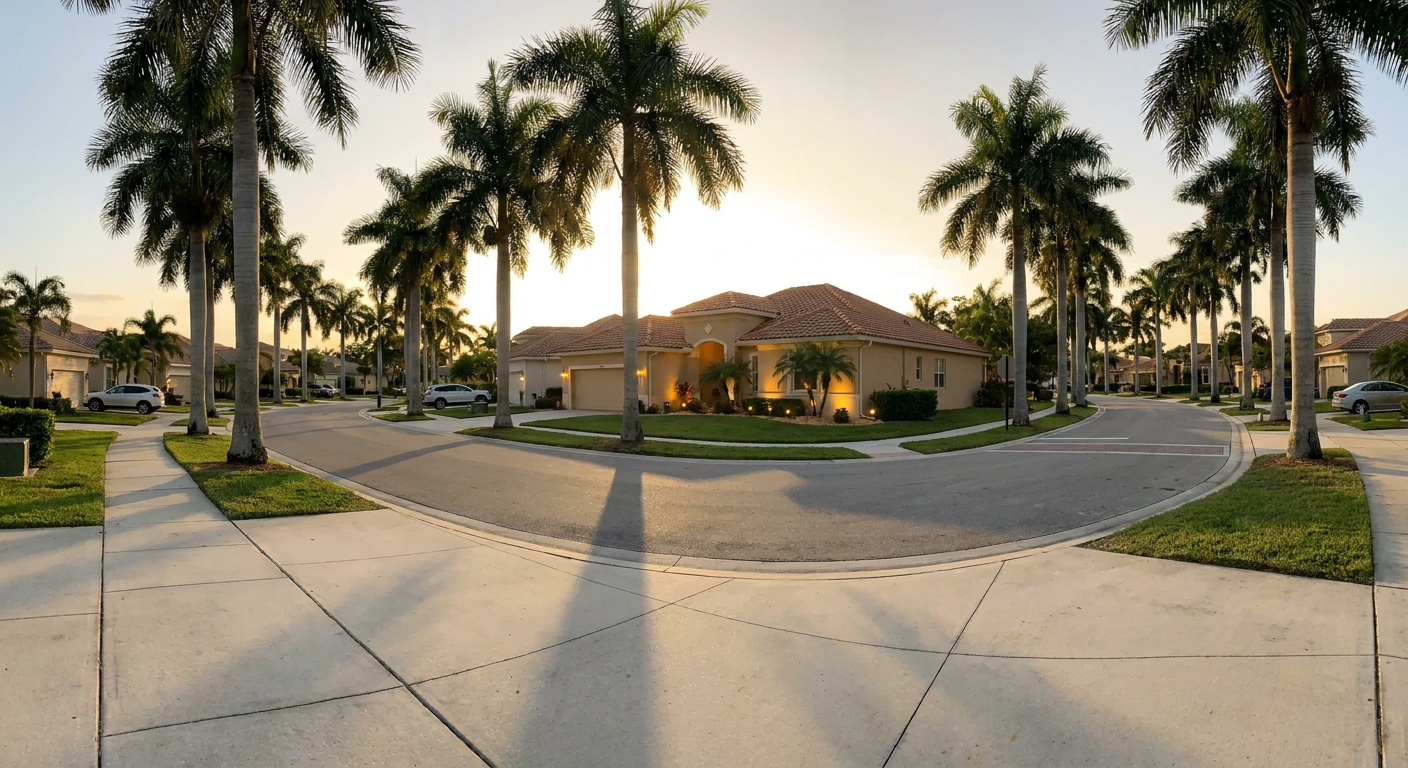
Palm Springs and the broader Palm Beach County area offer a residential setting that is quieter and less sensorially overwhelming than large urban treatment centers or hospital-based programs. The contrast with home environments that are saturated with triggers matters. When comparing programs, ask what the daily environment outside of scheduled therapy sessions looks like: the grounds, the noise level, the proximity to nature. For men also navigating depression alongside trauma, a calmer sensory environment is especially relevant to the healing process.
Out-of-state treatment: when distance is the right clinical move
A 2012 study in Drug and Alcohol Dependence, following 1,124 adults across 12 months of post-treatment recovery, found that patients who received treatment in a different geographic region from their primary residence had significantly lower exposure to environmental cues and social networks associated with use, and correspondingly lower relapse rates in the 6 months following discharge.
The reasoning is not complicated. Your home environment contains the people, places, and situations that have been associated with both the trauma and the substance use for years. Early recovery requires neurological rebuilding, and that process is harder when the cue-laden environment is physically present. Geographic separation is not running away. It is a clinical tool that reduces environmental load during the most neurologically vulnerable phase of treatment.
Practically, traveling out of state for treatment raises real questions. Out-of-network PPO insurance benefits typically do cover residential treatment, though the coverage level depends on your specific plan. Call the admissions team with your insurance card in hand before assuming the cost is prohibitive. Most facilities with admissions experience can run a benefits check in under 24 hours and give you an accurate picture of what your out-of-pocket exposure looks like before you make any decision.
Questions to ask before choosing a PTSD treatment program
A 2021 study in Psychiatric Services, analyzing treatment-seeking behavior among 892 adults with co-occurring PTSD and substance use disorder, found that patients who entered treatment with specific, criteria-based questions about program design had significantly better therapeutic alliance scores at week two, a metric strongly associated with long-term outcomes.
Before committing to any program, ask these questions directly and listen carefully to how they are answered. Is the treatment trauma-integrated or merely trauma-informed? What are the specific credentials of the therapists delivering PTSD treatment? What is the client-to-therapist ratio for individual sessions? How many individual therapy sessions per week does the schedule include? What does the transition from residential to aftercare look like, and how is trauma work continued after discharge?
The transition question deserves particular attention. Programs that provide excellent residential care but discharge clients without a structured step-down and continued trauma therapy are not completing the treatment. PTSD recovery does not conclude at discharge. The aftercare plan is part of the clinical product. For men navigating multiple co-occurring conditions such as anxiety, choosing the right level of structured support across the care continuum is a decision worth making carefully.
Insurance, cost, and how to make this work financially
Out-of-network PPO insurance typically covers residential mental health and substance use treatment at a reimbursement rate of 60 to 80 percent of the allowed amount after the deductible is met. Verification of benefits is a specific inquiry made to your insurance carrier to determine what your plan will actually pay for a given facility at a given level of care. It tells you the deductible, the out-of-pocket maximum, the reimbursement percentage, and whether prior authorization is required.
The cost frame matters here. A 2021 analysis by the National Institute on Drug Abuse estimated that untreated substance use disorder costs the U.S. approximately $600 billion annually in healthcare, criminal justice, and lost productivity. On an individual level, the cost of one residential treatment episode is typically lower than the cumulative cost of continued use measured in lost employment, medical expenses, legal fees, and erosion of long-term earning capacity. Call admissions with your insurance card ready and ask them to run a full benefits check before making any financial assumptions.
Common mistakes people make when seeking PTSD treatment
A 2017 meta-analysis in Clinical Psychology Review, examining relapse predictors across 47 studies involving 9,400 adults with co-occurring PTSD and substance use disorder, found that failure to address trauma during addiction treatment was the single strongest predictor of relapse within 12 months, stronger than social support, prior treatment history, or medication adherence.
The most damaging mistake you can make is selecting a program that treats the addiction without treating the trauma. The second most common error is stopping medication as soon as symptoms improve. Symptom reduction after 4 to 6 weeks on an SSRI is the medication working, not evidence that the underlying PTSD has resolved. Discontinuing medication prematurely removes the neurological floor that makes therapy productive.
Choosing a program based on geographic convenience rather than clinical fit is a close third. A program that offers familiar surroundings but lacks trained trauma clinicians, evidence-based modalities, and integrated dual-diagnosis treatment will not produce the outcomes you need. Finally, delaying treatment until circumstances align perfectly is itself a symptom of avoidance, one of the four DSM-5 PTSD symptom clusters. There is no right time. There is now, or there is later with compounded consequences.
Treating PTSD and addiction as sequential problems, completing addiction treatment first and planning to address the trauma “afterward,” is the costliest error of all. The trauma is not waiting politely for the addiction work to finish. It is actively driving the substance use, and it requires concurrent treatment.
What to do this week
Call and request a clinical assessment, not an intake sales call, but a clinical one. Tell the person on the phone about both the substance use and the trauma history in that first conversation. Do not wait to disclose the trauma until a therapist asks about it. The more complete the picture in the first conversation, the more accurately the team can determine whether the program’s clinical capacity matches what you actually need.
That single conversation sets the entire clinical trajectory in motion. Everything else in this guide is preparation for that call.
Frequently asked questions
What is the difference between PTSD treatment and trauma-informed addiction treatment?
PTSD treatment specifically targets the neurological and cognitive effects of trauma using evidence-based modalities like Prolonged Exposure, Cognitive Processing Therapy, and EMDR. Trauma-informed addiction treatment acknowledges that trauma is present but focuses primarily on substance use and applies general sensitivity to the treatment environment. For someone with a clinical PTSD diagnosis, trauma-informed is not sufficient. You need a program with licensed trauma clinicians delivering validated PTSD protocols alongside the addiction work.
How long does PTSD treatment in a residential program typically take?
For chronic PTSD with co-occurring substance use disorder, most clinical guidelines recommend a minimum of 30 days in residential treatment, with 60 to 90 days producing substantially better outcomes. The VA/DoD Clinical Practice Guideline notes that complex or chronic presentations typically require the higher end of that range to complete an adequate course of trauma processing therapy while also stabilizing the substance use.
Will my PPO insurance cover residential PTSD treatment in palm springs, florida?
Most commercial PPO plans include out-of-network benefits that cover a significant portion of residential mental health and substance use treatment. The actual coverage depends on your specific plan’s deductible, out-of-pocket maximum, and reimbursement percentage. The most reliable step is to contact the admissions team at the facility you are considering with your insurance card and ask them to run a verification of benefits on your behalf before making any financial decisions.
Can PTSD treatment work if the trauma happened decades ago?
Yes. The neurological mechanisms underlying PTSD, amygdala hyperreactivity, hippocampal suppression, and prefrontal dysregulation, remain responsive to evidence-based treatment regardless of when the trauma occurred. Multiple RCTs of Prolonged Exposure and EMDR have enrolled participants with PTSD of 20 or more years’ duration and produced significant symptom reduction. The duration of symptoms does affect treatment intensity and length, but it does not predict treatment failure.
What makes a male-only PTSD treatment program clinically different?
Men in co-ed group therapy settings frequently underreport trauma history, minimize symptoms, and disengage from group processing due to social performance anxiety and cultural conditioning around male vulnerability. A 2014 study in Psychological Services found that male veterans in male-only group therapy demonstrated significantly greater disclosure depth and therapeutic engagement compared to mixed-gender groups. For men with trauma histories involving shame, interpersonal violence, or sexual abuse, a male-only environment is not a preference. It is a clinical variable that directly affects treatment engagement.
Is medication always required for PTSD treatment?
Medication is not universally required, but it is frequently recommended when PTSD symptoms are severe enough to interfere with a person’s ability to engage in trauma processing therapy. FDA-approved SSRIs reduce symptom intensity to a level that makes therapy neurologically accessible. For someone whose hyperarousal or dissociation is severe, beginning therapy without any pharmacological support can slow or stall progress. The decision should be made by a psychiatrist following a full evaluation at intake, not assumed in either direction before that assessment occurs.