


Men in addiction treatment drop out at significantly higher rates than women when placed in mixed-gender programs, and the reasons are not random. Understanding what actually drives outcomes in rehab for men in West Palm Beach, Florida, means looking past the brochure photography and asking harder questions about clinical design, level of care, and what happens after discharge.
Why men need a different approach to addiction treatment
A 2021 study published in the journal Drug and Alcohol Dependence, analyzing outcomes across 1,800 participants, found that men in gender-specific treatment programs showed significantly higher completion rates and lower six-month relapse rates compared to men in mixed-gender settings. The difference wasn’t about comfort; it was about disclosure. Men in single-gender groups spoke more openly about trauma, shame, and the emotional drivers of their use.
The biology matters too. Testosterone’s role in reward-seeking and risk-tolerance means men are more likely to escalate use quickly and less likely to recognize problematic patterns early. Male-pattern trauma, which most often involves combat exposure, occupational injury, childhood physical abuse, or witnessed violence, presents differently than female-pattern trauma. Men externalize: anger, aggression, and risk behavior become the surface expression of what’s underneath. A clinician trained primarily in female trauma presentations will frequently miss this entirely.
The practical takeaway is straightforward. When evaluating any program, ask specifically whether the clinical team has training in male trauma presentation and externalizing disorders. If the answer is vague, that’s your answer.
What “rehab for men” actually means in practice
The phrase “men’s program” gets applied loosely. Some facilities use it to describe a wing of a co-ed building. That’s not what the research supports.
A genuine men’s-only program means all peer cohorts are male, all group therapy sessions involve only men, and the clinical staff carries specific training in male psychological presentation. It means physical programming, whether strength training, outdoor activity, or sport, is integrated into the schedule as a therapeutic tool, not an amenity. A 2019 study from the Journal of Substance Abuse Treatment found that physical exercise programming in male addiction treatment reduced depression symptoms by 34% and improved treatment retention by 22% over a 90-day window. Men engage with their bodies differently in recovery than women do, and programs designed around that biology produce measurably better results.
Male-dominant co-occurring conditions, including anger dysregulation, ADHD, antisocial patterns, and externalizing depression, require clinical attention that generic programs deprioritize. If a facility’s treatment menu reads identically for men and women, that’s a red flag. Before you commit to any program, ask these specific questions: Are all peer groups single-gender? Does the program have a licensed clinician with documented training in male trauma? Is physical programming built into the clinical schedule or offered as optional recreation?
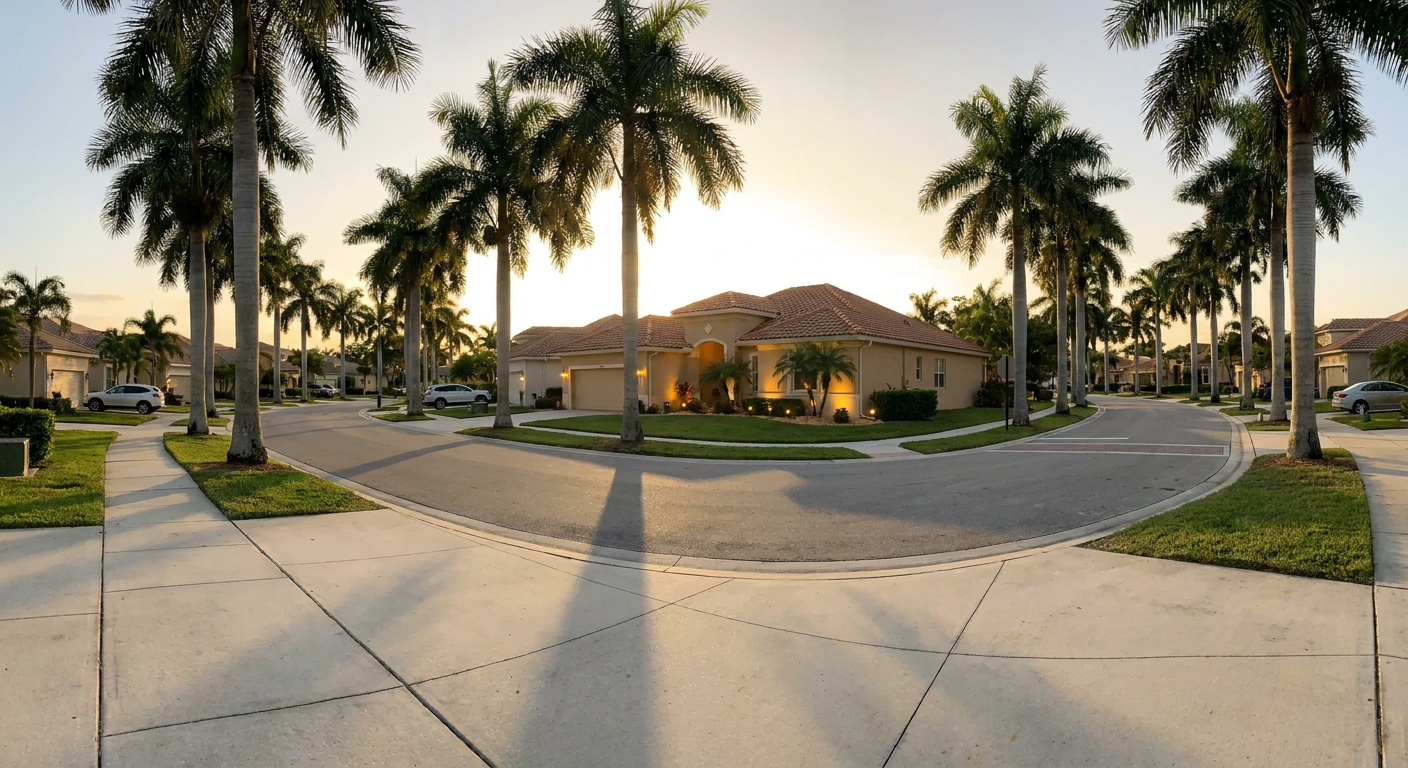
The west palm beach setting: why location is a clinical decision, not a perk
Geographic distance from your home environment is not a luxury consideration. A 2014 study published in Substance Abuse and Rehabilitation found that patients who traveled more than 100 miles from their home community for treatment had measurably lower early relapse rates, largely because access to familiar triggers, using contacts, and domestic stressors was removed during the most neurologically vulnerable phase of recovery.
Palm Beach County has become one of the most concentrated areas of evidence-based addiction treatment in the United States for reasons that go beyond climate. The density of licensed clinical professionals, dual-diagnosis specialists, and structured sober-living infrastructure in the region is genuinely unusual. West Palm Beach specifically sits within a healthcare corridor that includes major hospital systems, addiction psychiatry practices, and recovery support networks that many mid-size markets simply don’t have.
The climate and physical environment carry therapeutic weight that’s grounded in research. A 2020 study in Frontiers in Psychiatry found that access to outdoor activity and natural settings during residential treatment improved mood regulation scores and reduced cortisol levels in male participants. The practical translation: being able to walk outside in January without a coat, train near the water, or access green space isn’t a brochure selling point. It’s a recovery variable.
That said, not every South Florida facility earns the “destination rehab” label honestly. The marker of a clinically grounded location decision is whether the physical environment is woven into the treatment model. Ask specifically how the outdoor setting and climate are incorporated into the programming, not just whether the facility has a pool.
Levels of care: matching the program to where you are
The American Society of Addiction Medicine (ASAM) criteria define a continuum of care based on clinical severity, not marketing categories. Most men entering treatment don’t accurately self-assess where they fall on that continuum. SAMHSA’s 2022 National Survey on Drug Use and Health found that men entering addiction treatment present with higher rates of physiological dependence on alcohol, opioids, and benzodiazepines than women, which means the level-of-care decision carries real medical weight.
The honest self-assessment starts with one question: are you physically dependent on alcohol, benzodiazepines, or opioids? If yes, the first call is not to a residential program; it’s to a medically supervised detox. Everything else comes after that.
Medical detox: when it’s non-negotiable
Alcohol and benzodiazepine withdrawal can kill. This is not hyperbole. Withdrawal seizures from alcohol dependence occur in approximately 5 to 10 percent of untreated cases, according to research published in New England Journal of Medicine, and without medical management, severe cases progress to delirium tremens with a mortality rate approaching 15 percent. Opioid withdrawal is rarely fatal but produces a level of physical suffering that drives the majority of unassisted quit attempts back to use within 72 hours.
Medically supervised detox means 24-hour monitoring, medication management (typically benzodiazepines for alcohol/benzo withdrawal, buprenorphine or methadone for opioids), and clinical assessment of complications as they arise. If you’re drinking daily or using benzodiazepines regularly, detox is not optional; it’s the starting point.
Residential treatment: the immersive foundation
A 2018 meta-analysis published in JAMA Psychiatry, covering over 11,000 patients across 53 studies, found a clear dose-response relationship between treatment duration and sustained abstinence at 12 months. Stays under 30 days produced the weakest outcomes. Stays of 90 days or more produced the strongest. The mechanism is neurological: the prefrontal cortex, which governs impulse control and decision-making, takes approximately 90 days of abstinence to begin recovering measurable function after chronic substance use.
A well-designed residential program for men structures each day around therapeutic contact hours, not free time. Expect individual therapy several times per week, group therapy daily, psychoeducation sessions, and physical programming integrated throughout. Evening structure matters as much as daytime programming; unstructured evenings in early recovery are when cravings peak.
The 30-day question has a straightforward answer: if you have more than one previous treatment attempt, a long history of use, or a significant co-occurring mental health condition, 30 days is not enough. Ask the admissions team for their outcome data by length of stay.
PHP and IOP: the bridge that most men skip
Partial hospitalization (PHP) and intensive outpatient (IOP) are the step-down levels between residential and standard outpatient care, and skipping them is one of the most reliable predictors of relapse. A 2020 study in the Journal of Addiction Medicine found that men who discharged directly from residential to standard outpatient or no care relapsed at a rate 2.4 times higher than those who completed a PHP or IOP step-down.
The structure of step-down care serves a specific purpose: it gradually reintroduces the stressors, decisions, and relationships of daily life while maintaining a high density of clinical support. Men who skip this phase re-enter their lives with none of the residential scaffolding in place and none of the real-world coping practice that step-down provides.
Before entering any residential program, ask for a written step-down plan. If the clinical team can’t describe what PHP or IOP looks like for your situation on day one, that’s a gap in the program design.
Evidence-based therapies that actually move the needle for men
Not every modality that appears on a program’s clinical menu carries equal research support. For male addiction populations specifically, the evidence clusters around a few core approaches. Knowing what to look for protects you from programs that fill their brochures with compelling-sounding names and deliver little clinical substance.
Cognitive behavioral therapy (CBT) for addiction
A 2020 Cochrane Review analyzing 53 randomized controlled trials involving over 6,000 participants found CBT produced significant reductions in substance use frequency and severity across alcohol, cannabis, cocaine, and opioid use disorders. The mechanism is specific: CBT teaches you to identify the thought-action chains that lead from trigger to craving to use, and to interrupt them with practiced alternative responses.
For men, CBT’s structured, problem-solving orientation tends to produce strong engagement because it fits how many men prefer to process information: concretely and with a clear goal. Ask the admissions team how many individual CBT sessions per week are scheduled. The answer should be specific.
EMDR and trauma-focused therapy
A 2017 study published in the Journal of EMDR Practice and Research, specifically examining male veterans and first responders, found that 77% of participants no longer met PTSD diagnostic criteria after completing EMDR treatment. Trauma drives addiction in men at rates most people underestimate: a 2013 SAMHSA report found that 75% of men entering substance use treatment reported significant trauma histories.
Eye Movement Desensitization and Reprocessing (EMDR) works by helping the brain reprocess traumatic memories so they lose their physiological charge, the automatic threat response that many men self-medicate with substances. If your history includes combat, childhood abuse, serious accidents, or other high-impact events, confirm that the facility has a licensed EMDR practitioner before enrolling.
Medication-assisted treatment (MAT)
The FDA has approved buprenorphine, naltrexone (including the injectable Vivitrol formulation), and acamprosate for alcohol and opioid use disorders. A 2019 NIDA-funded study tracking 40,000 patients found that MAT combined with behavioral therapy reduced opioid overdose mortality by 38% compared to behavioral therapy alone. For alcohol use disorder, naltrexone reduces heavy drinking days by approximately 25% according to a Cochrane Review of 50 trials.
MAT is not substituting one drug for another. Buprenorphine acts on opioid receptors to reduce cravings and withdrawal without producing significant euphoria at therapeutic doses. Naltrexone blocks opioid receptors entirely and has no abuse potential. If opioids or alcohol are your primary substance, ask the program’s medical director directly which MAT medications are available and what the prescribing criteria are.
Group therapy: the peer mechanism men undervalue
A 2016 study in Psychological Services, examining 2,400 men in addiction treatment, found that therapeutic alliance with peers, not just with clinicians, was the second strongest predictor of treatment completion after length of stay. Men who formed meaningful peer bonds in group therapy were 1.8 times more likely to remain abstinent at six months post-discharge.
All-male group therapy creates a specific disclosure environment that mixed groups don’t. Competitive social dynamics in co-ed settings drive men toward performance rather than honesty. In a room of men who share reference points around work identity, physical struggle, and the particular shame architecture of male addiction, something different becomes possible. Ask how many group therapy sessions are scheduled daily and whether groups are facilitated by a licensed clinician or a peer support specialist. Both have value, but the clinical quality differs.
Co-occurring mental health conditions: the variable most programs ignore
According to NIDA, more than 60% of men entering addiction treatment meet diagnostic criteria for at least one co-occurring mental health condition. Depression, PTSD, ADHD, anxiety disorders, and bipolar disorder are the most common. The critical clinical distinction is between dual diagnosis treatment, where both conditions are addressed simultaneously by an integrated team, and sequential treatment, where you complete addiction programming first and then get a referral for mental health care later.
Sequential treatment fails men with co-occurring disorders consistently. The untreated mental health condition drives relapse during or immediately after addiction treatment, and the cycle repeats. For those exploring options across the region, understanding how programs structure dual diagnosis care is one of the most important questions to ask before committing to any facility.
Ask the admissions team directly: does the program have an on-site psychiatrist? Are mental health conditions treated concurrently with addiction from day one? If the answer is “we refer out for mental health,” keep looking.
Insurance, cost, and how to avoid the financial trap
The Mental Health Parity and Addiction Equity Act requires that commercial insurance plans offering behavioral health benefits provide coverage at parity with medical and surgical benefits. For holders of commercial PPO plans, this means out-of-network behavioral health benefits are often more substantial than most people realize. A benefits verification call with your insurance carrier can determine your out-of-network deductible, your out-of-pocket maximum, and the reimbursement rate for residential treatment.
Most premium residential programs in Palm Beach County operate out-of-network with commercial insurers. That’s not inherently problematic; it’s how the market for serious, evidence-based care works. What matters is understanding your specific benefits before committing, not after.
South Florida has a documented history of patient brokering and sober home kickback schemes. In 2020, the U.S. Department of Justice prosecuted multiple South Florida defendants in one of the largest addiction treatment fraud cases in U.S. history, involving more than $1 billion in fraudulent insurance claims tied to patient brokering networks. The practical implication: be skeptical of anyone who contacts you proactively offering to help you find treatment, especially if they’re offering free transportation, free housing, or cash incentives.
Before committing to any program, call your insurance company and ask for a detailed explanation of your out-of-network behavioral health benefits. Then ask the program for a written estimate of the total cost of care at each level of treatment you’re likely to need.
Red flags: what to walk away from
The Florida Department of Children and Families licenses addiction treatment facilities in the state. JCAHO (The Joint Commission) and CARF International offer independent accreditation that signals a facility meets established quality standards in clinical care and operations. These are baseline requirements, not guarantees of quality, but their absence is disqualifying.
No licensed medical director on staff is a hard stop, particularly if you need detox or MAT. The absence of an on-site psychiatrist in a facility claiming to treat dual diagnosis is similarly disqualifying. Any program that promises guaranteed sobriety is either lying or defining sobriety in a way that has no clinical meaning. Commission-based patient recruiters, meaning people who receive payment for each client they bring to a facility, operate under an incentive structure that is almost never aligned with your clinical needs.
Programs that don’t develop individualized treatment plans within the first 72 hours of admission are delivering standardized programming, not treatment. And any facility without a structured family involvement protocol is missing one of the strongest predictor variables for long-term recovery.
Run every facility you’re considering through the SAMHSA Treatment Locator at findtreatment.gov and verify the license status directly with the Florida DCF before making a deposit on anything.
Family involvement: the clinical factor men resist most
The Community Reinforcement and Family Training (CRAFT) model, developed by researchers at the University of New Mexico, produced one of the most robust findings in addiction treatment research: family members trained in CRAFT helped 74% of their resistant loved ones enter treatment, compared to 29% for Al-Anon and 30% for traditional intervention approaches. Once in treatment, family involvement predicted long-term sobriety more strongly than most clinical variables.
Most men resist family involvement in treatment for the same reason they resist disclosing in group therapy: shame. The fear of being seen clearly by the people whose opinion matters most is, for many men, more threatening than the addiction itself. This resistance is worth naming, because yielding to it is one of the most reliable ways to guarantee a return to use after discharge.
Family involvement in treatment doesn’t mean your family directs your care. It means the people closest to you receive education about the neuroscience of addiction, learn to identify enabling behaviors, and participate in structured sessions that begin repairing communication patterns before you leave treatment. Ask the admissions team for the family program schedule and specifically whether family therapy includes sessions with your assigned primary therapist.
Aftercare and relapse prevention: where most programs under-deliver
NIDA’s chronic disease model of addiction treats relapse as a component of the recovery process rather than a treatment failure, and the relapse rate data supports this framing: 40 to 60% of people in recovery experience at least one relapse, a rate comparable to other chronic conditions like hypertension and type 2 diabetes. The variable that most consistently reduces relapse frequency and severity is the quality of structured aftercare.
Discharge planning is not aftercare. A list of outpatient providers and a 30-day medication supply is not aftercare. Real aftercare means sober living options are identified and contacted before discharge, outpatient therapy appointments are scheduled and confirmed, community support meetings (AA, SMART Recovery, or other structures) are identified in your home community or relapse destination city, and an alumni network provides peer connection in the weeks and months immediately following treatment, the highest-risk period for relapse.
For men returning to competitive professional environments or high-stress family systems, the aftercare plan needs to include specific strategies for managing occupational triggers and relationship dynamics that drove use. If you’re evaluating programs in the broader South Florida area, looking at how aftercare is structured across the region’s programs reveals significant variation in how seriously facilities take post-discharge support.
Before you enroll, ask to see a sample discharge plan. Aftercare coordination should begin in the first week of treatment, not the final days. If the program can’t show you what aftercare looks like until you’re almost out the door, that’s a structural failure in their model.
What to do this week
The research on treatment delay is unambiguous: each week of deferred entry into care increases the probability of a serious adverse event, including overdose, medical complication, and entrenched dependence. Analysis from the National Center on Addiction and Substance Abuse found that men wait an average of 11 years between first developing a substance use disorder and seeking treatment, a gap driven primarily by stigma, denial, and analysis paralysis disguised as research.
Call your insurance carrier today. Ask specifically for your out-of-network behavioral health benefits: your deductible, your out-of-pocket maximum, and the reimbursement percentage for residential treatment. Request a written summary of those benefits. Then call one accredited men’s program in West Palm Beach and ask the questions this guide has outlined: Is this a male-only facility? Does the clinical team have training in male trauma presentation? Is dual diagnosis treated concurrently? What does the step-down plan look like? What does aftercare coordination begin?
If you’re still in the process of comparing programs across different communities in Palm Beach County, how to evaluate and choose the right type of program provides a clear framework for narrowing that decision. The goal this week is one phone call, not a perfect decision. The data is clear on what further delay costs.
Frequently asked questions
Is a male-only rehab program actually more effective than a co-ed program for men?
The research says yes, for most men. Studies consistently show that men in gender-specific programs have higher treatment completion rates and lower short-term relapse rates than men in mixed-gender settings. The primary mechanism is disclosure: men speak more openly about trauma, shame, and emotional drivers in all-male groups than they do when women are present. At a male-only facility like The Palms Recovery, this isn’t a branding choice; it’s a clinical design decision that affects every group session, every peer interaction, and the overall culture of the program.
What level of care do I actually need?
The honest answer depends on two things: what substances you’re using and how physically dependent you are. If you’re drinking daily or using benzodiazepines regularly, medically supervised detox is the starting point, full stop. If you have opioid dependence, supervised detox with medication-assisted treatment is standard of care. Beyond detox, men with longer use histories, previous treatment attempts, or significant co-occurring mental health conditions typically need at least 60 to 90 days of residential care followed by structured step-down programming. The ASAM criteria, which any licensed clinical team can walk you through, provide the formal framework for this assessment.
How does insurance actually work for residential rehab in west palm beach?
Most premium residential programs in Palm Beach County operate out-of-network with commercial insurers. If you hold a commercial PPO plan, you likely have out-of-network behavioral health benefits that cover a meaningful portion of treatment costs. The process starts with a benefits verification call to your insurance carrier, where you ask specifically about out-of-network residential behavioral health coverage: your deductible, out-of-pocket maximum, and reimbursement rate. The program’s admissions team can often assist with this call and provide a written cost estimate based on your benefits.
What is dual diagnosis treatment and why does it matter?
Dual diagnosis treatment means that addiction and co-occurring mental health conditions, such as depression, PTSD, ADHD, anxiety, or bipolar disorder, are treated simultaneously by an integrated clinical team rather than sequentially. More than 60% of men entering addiction treatment meet criteria for at least one co-occurring condition, according to NIDA. When the mental health condition goes untreated, it drives relapse during or immediately after addiction treatment. Dual diagnosis care at a quality facility means an on-site psychiatrist, integrated psychiatric and addiction treatment planning, and medication management when appropriate. It’s one of the most important questions to ask any admissions team.
How do I know if a facility in west palm beach is legitimate?
Three baseline checks: verify the facility holds a current license from the Florida Department of Children and Families (searchable online), confirm the program holds JCAHO or CARF accreditation, and run the address through the SAMHSA Treatment Locator at findtreatment.gov. Beyond credentials, ask whether the program has a licensed medical director on staff, whether an on-site psychiatrist is part of the clinical team, and whether individualized treatment plans are developed within the first 72 hours. Be wary of anyone who contacts you proactively, offers free transportation or housing as an enticement, or cannot give you specific answers about clinical staffing.
What happens after residential treatment ends?
Discharge from residential treatment is when the real work of recovery begins, and it’s also the period of highest relapse risk. A quality aftercare plan includes a sober living placement confirmed before discharge, outpatient therapy appointments scheduled and on the calendar, community support meetings identified in your return city, and an alumni network connection for peer support. Aftercare coordination should start in the first week of residential treatment, not the final days. If a program cannot describe its aftercare structure clearly during the admissions conversation, that’s a significant gap in the model.