


Most men leaving a clinical program don’t relapse because treatment failed. They relapse because the transition home happened too fast, with too little structure around them. Finding the right sober living homes in Palm Springs, Florida means understanding what separates a genuine recovery bridge from a house that simply keeps drugs off the premises.
What sober living actually does (and why location matters)
A 2018 study published in the Journal of Substance Abuse Treatment, following 300 residents across 49 sober living homes in California, found that men who spent 90 or more days in structured transitional housing were significantly more likely to maintain sobriety at 18 months compared to those discharged directly to independent living. The mechanism is straightforward: daily accountability structures interrupt the isolation and unstructured time that drive relapse in early recovery.
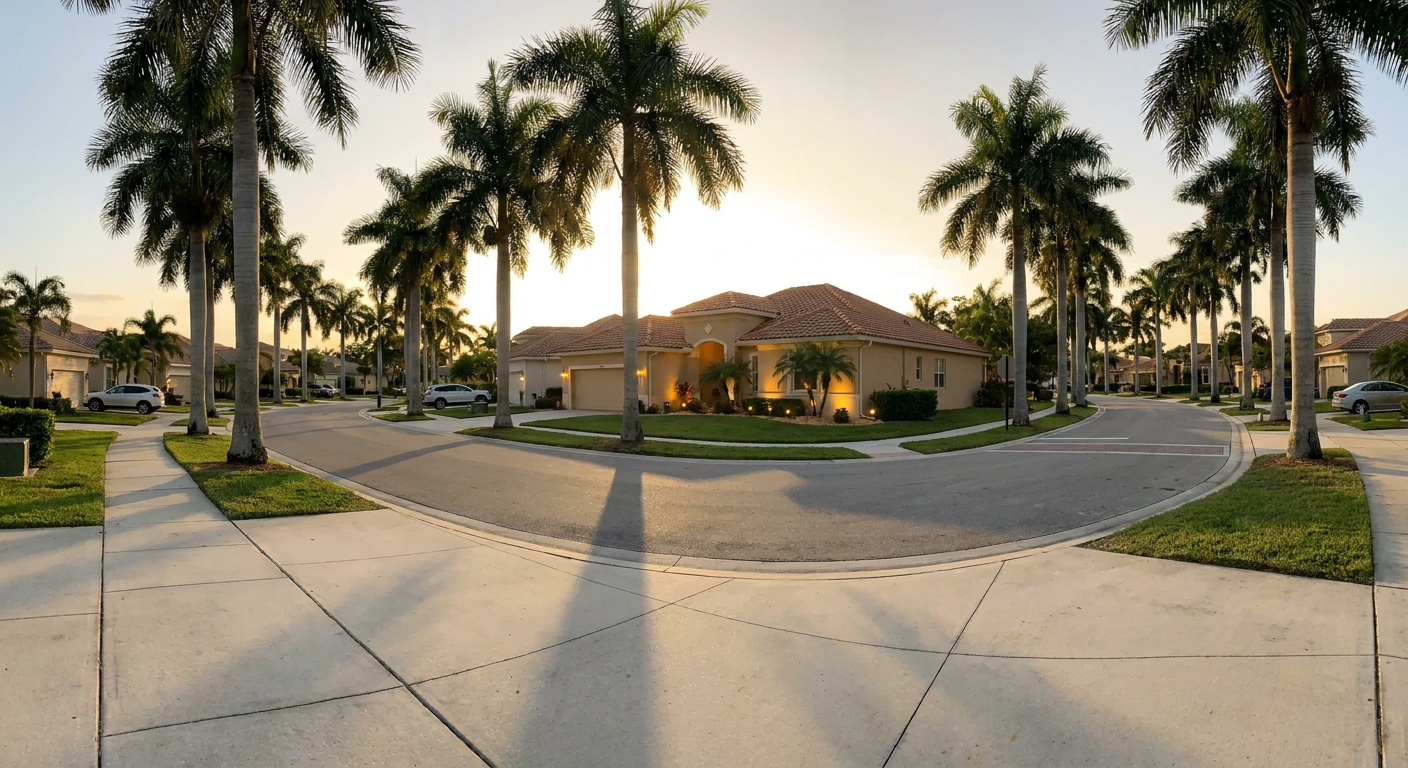
Location is not incidental to that outcome. Palm Springs, Florida sits within Palm Beach County, one of the most established recovery corridors in the country. The concentration of clinical outpatient programs, 12-step communities, peer support networks, and sober-friendly employers in this corridor means that what happens outside the residence walls actually supports recovery rather than working against it. For men coming from out of state, the distance from triggering environments at home is itself a therapeutic asset, not a lifestyle upgrade. Choosing a setting that structurally separates you from familiar people, places, and patterns is a clinical decision with real data behind it.
What to look for in a sober living home
Not all sober living is equal, and the gap between a certified, clinically integrated program and a loosely organized dry house is wide enough to determine your outcome.
Licensing, accreditation, and state oversight
Florida’s Department of Children and Families (DCF) certifies recovery residences, and the Florida Association of Recovery Residences (FARR) provides an additional layer of credentialing that signals adherence to national best practices. A 2016 report from SAMHSA found that residents in certified, quality-assured housing showed measurably better substance use outcomes than those in uncertified settings. An unlicensed house is not a budget alternative; it is a risk factor.
Before the tour ends, ask the facility to show its current DCF or FARR certification. If that request is met with vagueness or deflection, you have your answer.
Structure, rules, and accountability systems
A 2015 study in the American Journal of Drug and Alcohol Abuse, examining 245 sober living residents over 12 months, found that homes with enforced curfews, random drug testing, and required attendance at recovery meetings produced significantly higher rates of sustained sobriety than those without. Structure is not punishment; it is the mechanism that makes early recovery possible.
The distinction between a structured recovery residence and a “dry house” is real. A dry house provides shelter without programming. A structured program provides a daily schedule, house meetings, accountability systems, and clinical touchpoints. On your first call, ask for a written copy of the house rules and a sample weekly schedule. A program confident in its structure will send both without hesitation.
Staff qualifications and clinical support
A peer-run residence and a clinically supported environment are not equivalent. A 2019 study in Psychiatric Services found that sober living homes with access to licensed case managers or clinical staff produced better mental health outcomes and longer lengths of stay compared to peer-only models, particularly for men with co-occurring diagnoses.
Ask specifically whether a licensed clinician is on staff or on call. The answer will tell you more about a program’s clinical seriousness than any marketing language on its website.
Gender-specific programming
Male-only environments produce better outcomes for men in recovery, and this is especially true for men managing trauma histories or co-occurring mental health conditions alongside addiction. A 2020 study in the Journal of Dual Diagnosis found that gender-specific peer cohorts improved both accountability and therapeutic engagement, partly because shared experience reduces the social friction that disrupts group work.
This is a clinical rationale, not a preference. When evaluating how structured programs differ across recovery housing types, the gender composition of the environment belongs on your checklist alongside staff credentials and certification.
Insurance, cost, and paying for sober living in palm springs
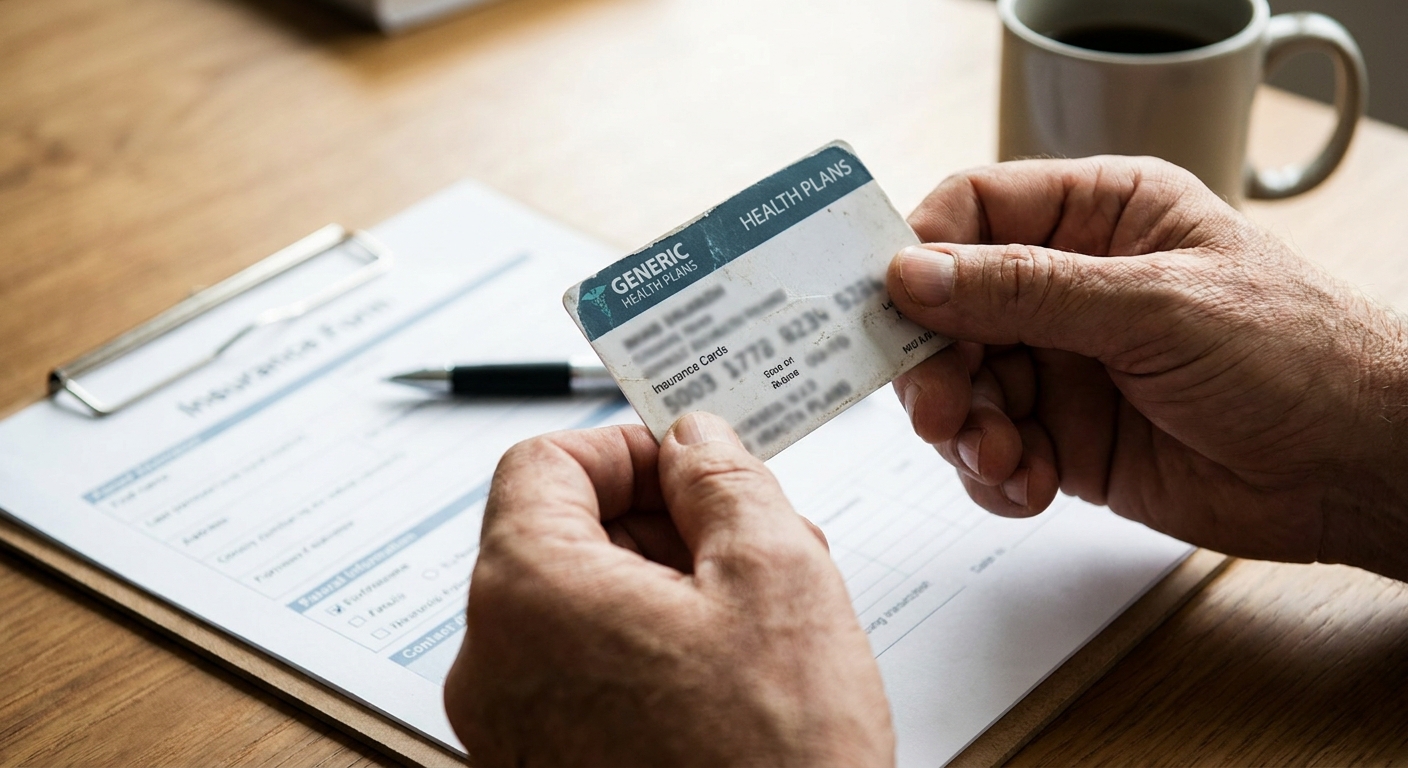
Sober living residences in South Florida typically run between $1,500 and $6,000 per month depending on amenity level, clinical integration, and length of program. Sober living itself is generally not billed directly to insurance as a line item the way inpatient or residential treatment is. However, the clinical programming attached to it, specifically PHP (partial hospitalization) and IOP (intensive outpatient) services, often is billable and covered under commercial PPO plans, including out-of-network benefits.
This distinction matters practically. If a program operates a bridge model where sober living is integrated with PHP or IOP clinical services, the clinical portion of your stay may be reimbursable through your PPO. Out-of-network benefits on commercial plans vary, but many families are surprised by how much coverage exists once they ask the right questions.
Call your insurance provider before ruling out any program on price. Ask specifically about coverage for “transitional housing,” “co-occurring mental health treatment,” and “intensive outpatient services.” Get the answers in writing, including your out-of-network deductible and reimbursement percentage.
How to evaluate a home before you commit
Research on treatment matching published in Drug and Alcohol Dependence (2017) found that the quality of pre-admission communication between a program and a prospective resident was one of the strongest predictors of treatment engagement and length of stay. How a program answers your questions before you arrive tells you how it will treat you once you do.
Questions to ask on the first call
Four questions carry the most weight. What does a typical day look like, hour by hour? What happens if a resident relapses while in the home? What clinical services are integrated into the residence, and are they on-site or referral-based? How are co-occurring mental health conditions handled, and is there a licensed clinician involved?
A 2014 study from the National Institute on Drug Abuse found that treatment matching, specifically placing clients in environments that address their full clinical profile, predicted retention better than any single treatment modality. Write down these questions before the call. Emotional pressure in early recovery is real, and having the questions on paper means you evaluate the answers rather than react to them.
Red flags during a tour or intake
Overcrowding, vague or inconsistent answers about staff credentials, no written house rules, pressure to decide on the same day, and no clear drug testing protocol are all signals worth taking seriously. A 2016 analysis of early treatment dropout in Addictive Behaviors identified poorly defined program structure and inadequate staff response to client concerns as the two strongest predictors of early departure.
If you notice two or more of these signs during a single visit, walk away. Recovery residence options in Palm Beach County are plentiful enough that settling for a program that raises serious concerns is never the only option.
Co-occurring mental health conditions: why this changes your search
According to SAMHSA’s 2022 National Survey on Drug Use and Health, more than 9.2 million adults in the United States have a co-occurring substance use disorder and mental illness. Among men seeking residential recovery support, rates of depression, anxiety, and PTSD are consistently elevated. A standard sober living home, without clinical mental health support integrated into its model, is not equipped to serve this population adequately.
If you or your family member carries a dual diagnosis, the clinical support structure of a residence is not a secondary consideration. It is the primary one. Before contacting any home, ask directly: “Do you accept clients with co-occurring mental health diagnoses, and what clinical support do you provide for them?” A program that cannot answer that question specifically does not have a real answer.
The palm springs and palm beach county recovery landscape
Palm Springs sits within the Lake Worth corridor of Palm Beach County, a region with one of the densest concentrations of recovery infrastructure in Florida. The area supports robust 12-step communities including multiple AA and NA intergroups, outpatient clinical providers across the PHP and IOP spectrum, and peer support networks with real continuity. For out-of-state clients, this means the support structure outside the residence walls is as real as what happens inside it.
Men coming from other states choose this region for legitimate clinical reasons: geographic distance from home environments, access to integrated programming, and a climate that supports outdoor therapeutic activity year-round. Family involvement is logistically manageable from most of the country, and most programs in the area have experience coordinating care across distance. Sober living options in nearby Lake Worth share much of this same infrastructure, giving families flexibility when evaluating the broader region.
To verify any home you are considering, use Florida’s DCF online registry or the FARR directory to cross-reference the facility’s certification status before committing.
Making the move: next steps this week
A 2021 study in Addiction Science and Clinical Practice found that treatment-seekers who delayed taking action for more than 72 hours after a crisis moment were significantly less likely to follow through with enrollment. Momentum at the decision point is not a soft variable. It is a clinical one.
The most important thing you can do in the next 48 hours is make one phone call to a certified sober living program in Palm Springs with the four questions from the earlier section written down in front of you. Ask about certification, daily structure, clinical staff, and co-occurring condition support. That single call, made with preparation rather than panic, is how you evaluate a program rather than simply react to one.
The infrastructure in Palm Beach County is real. The clinical models that work are documented. What changes outcomes is the call you make this week, not the one you plan to make later.
Frequently asked questions
What is the difference between sober living and inpatient rehab?
Inpatient or residential rehab provides 24-hour clinical care in a treatment facility, typically for the acute phase of recovery. Sober living is a structured transitional housing environment, usually following a clinical program, that bridges the gap between intensive treatment and independent living. The best programs integrate sober living directly with ongoing clinical services like PHP or IOP rather than treating housing and treatment as separate categories.
Are sober living homes in palm springs, florida licensed or regulated?
Florida regulates recovery residences through the Department of Children and Families (DCF), and the Florida Association of Recovery Residences (FARR) provides voluntary accreditation tied to national quality standards. Certified homes are listed in publicly accessible directories. Any home that cannot provide current certification documentation is operating outside the regulated system, which is a meaningful risk.
Does insurance cover sober living in palm springs?
Sober living housing itself is typically not directly billed to insurance. However, clinical services integrated into a sober living program, such as PHP or IOP, are often covered under commercial PPO plans, including out-of-network benefits. Call your insurer and ask specifically about transitional housing and co-occurring mental health treatment benefits before making a decision based on sticker price alone.
What should a man with a co-occurring mental health condition look for specifically?
Look for programs with licensed clinical staff on-site or on call, explicit dual-diagnosis intake protocols, and integrated mental health services rather than referral-only models. A co-occurring condition changes what adequate clinical support looks like. Ask directly whether the program accepts dual-diagnosis clients and what specific clinical resources are available for mental health treatment alongside addiction recovery.
How long should someone plan to stay in sober living?
Research consistently shows that longer stays produce better long-term outcomes. The 2018 Journal of Substance Abuse Treatment study found significantly improved 18-month sobriety rates among men who stayed 90 days or more. A 30-day stay may meet a minimum threshold, but 90 days gives structure and habit formation time to take root. Let your clinical team’s recommendations, not financial pressure alone, drive the length-of-stay decision.
Is palm springs, florida a good location for out-of-state clients seeking recovery?
Yes, and for clinical reasons beyond the setting. Palm Beach County has one of the most developed recovery ecosystems in the United States, with established outpatient networks, peer support communities, and accredited residences. Geographic distance from a triggering home environment is itself a documented protective factor in early recovery. Most programs in the area have experience coordinating care for families across the country.