


Opioid overdose deaths in Palm Beach County climbed for years before stabilizing, but the numbers remain stark: Florida’s Department of Health recorded more than 7,800 opioid-related overdose deaths statewide in a single recent year, with Palm Beach County consistently ranking among the hardest-hit areas. If you’re weighing suboxone treatment in Lake Worth, Florida, you deserve a clear-eyed look at what this medication actually does, what quality care looks like in practice, and whether this approach fits where you are right now.
What suboxone actually is (and how it works)
Suboxone is a combination of buprenorphine and naloxone. Buprenorphine is a partial opioid agonist, which means it binds to the same receptors in your brain that opioids attach to, but activates them only partially. The result is that cravings diminish significantly and withdrawal symptoms are suppressed, without producing the intense euphoria that drives compulsive use. Naloxone is added as a safeguard: if someone attempts to inject the medication to get high, the naloxone triggers immediate withdrawal instead. The FDA approved buprenorphine-naloxone as a first-line treatment for opioid use disorder, and a 2016 Cochrane Review of 31 randomized controlled trials confirmed that buprenorphine significantly reduces illicit opioid use and keeps people engaged in treatment longer than placebo.
What this means in practice: on day one, you can expect the edge of withdrawal to dull within a few hours of your first dose. By week four, with a stable dose established, most men report that the mental preoccupation with opioids has dropped substantially, which creates space for the therapy and behavioral work that actually restructures recovery.
The difference between suboxone and methadone
Both Suboxone and methadone are FDA-approved for opioid use disorder, but they differ in meaningful ways. Methadone is a full opioid agonist, meaning it fully activates opioid receptors. It carries a higher overdose risk and requires daily dispensing at a licensed opioid treatment program clinic. Suboxone, by contrast, can be prescribed in an office-based setting and taken at home, and its ceiling effect on receptor activation makes accidental overdose far less likely. A physician in Lake Worth typically recommends methadone for patients with very high opioid tolerance or those who haven’t responded to buprenorphine, while Suboxone is generally the first clinical choice for men beginning medication-assisted treatment.
The clinical evidence behind suboxone
A 2020 study published in JAMA Psychiatry, drawing on data from more than 40,000 patients with opioid use disorder in Massachusetts, found that buprenorphine treatment was associated with a 38% reduction in overdose mortality compared to no medication treatment. That is not a marginal difference. For a man in Palm Beach County deciding between a structured MAT program and an abstinence-only residential approach, that number is the most important context to carry into the conversation.
What the data says about long-term outcomes
Retention in treatment is the single strongest predictor of long-term recovery. A 2019 study in the American Journal of Psychiatry followed 2,000 patients in buprenorphine treatment and found that patients remaining in treatment for 24 months or longer had relapse rates roughly half those of patients who discontinued before 12 months. The takeaway is simple: duration matters more than most people entering treatment expect. If a program is pushing you toward a rapid taper inside 90 days without strong clinical justification, that’s a sign worth taking seriously.
The suboxone treatment process in lake worth
A Suboxone episode of care moves through three phases: induction, stabilization, and a tapering decision that depends on your individual clinical picture. In Lake Worth and across Palm Beach County, providers typically conduct an initial assessment to confirm opioid use disorder diagnosis, establish a baseline, and determine whether outpatient induction is appropriate or whether a more structured residential setting is needed. Week one demands real commitment: multiple provider contacts, honest reporting of symptoms, and a clear-headed willingness to stay the course through initial dosing adjustments.
Induction: the first 48 hours
Induction is the phase most men are anxious about, and for good reason. Suboxone must be taken only after you are already in mild-to-moderate withdrawal, typically 12 to 24 hours after your last opioid use. If taken too soon, buprenorphine can precipitate acute withdrawal, a sudden and severe syndrome caused by the medication displacing stronger opioids from receptors before they’ve cleared naturally. A competent Lake Worth provider will walk you through the Clinical Opiate Withdrawal Scale scoring before your first dose, monitor you during induction, and adjust dosing carefully. Your job in those 48 hours is straightforward: show up, be honest about your last use, and don’t try to speed the process.
Maintenance and tapering decisions
Clinical guidelines from the American Society of Addiction Medicine recommend against arbitrary time limits on Suboxone maintenance. For most patients, 12 to 24 months of stable maintenance produces the best outcomes, with tapering decisions made collaboratively based on sustained stability, robust psychosocial support, and absence of cravings rather than on a fixed calendar. The benchmark to use when evaluating any Lake Worth provider: if they’re presenting a preset taper schedule at your first intake appointment, before knowing your history, ask why.
What a quality suboxone program includes beyond the prescription
Medication alone is not treatment. A 2015 New England Journal of Medicine study comparing buprenorphine-only care to buprenorphine plus counseling found that the addition of structured behavioral therapy meaningfully improved abstinence rates and patient functioning. The programs that produce durable outcomes combine the prescription with individual therapy, psychiatric oversight, peer support, and case management. At The Palms Recovery, medication-assisted treatment is delivered as one clinically supervised component of an individualized plan that integrates 12-Step principles and evidence-based therapy, not as a standalone service handed over at a pharmacy window.
Understanding how different providers in the area structure their programs is part of choosing the right Suboxone clinic in Palm Beach County, and the program model matters as much as the medication itself.
How to spot a program that cuts corners
The clearest standard: a quality program requires therapy attendance as a condition of continued prescribing. If a provider offers refills without any behavioral health component, no psychiatric oversight, and no drug testing to verify adherence and monitor use, you’re looking at a prescribing operation rather than a treatment program. No individualized treatment plan within the first week is another concrete red flag. Suboxone is a powerful tool, but the program surrounding it is where recovery actually happens.
Suboxone treatment and co-occurring mental health conditions
A 2014 study in Drug and Alcohol Dependence, examining 2,616 men entering opioid treatment programs, found that more than 60% met criteria for at least one co-occurring psychiatric condition, most commonly depression, anxiety disorders, or PTSD. If that describes you, the medication component of your treatment plan needs a parallel mental health track running alongside it. A program that treats opioid use disorder while ignoring an untreated anxiety disorder or unprocessed trauma is not addressing the full picture. When vetting a Lake Worth provider, ask directly: what does your psychiatric assessment process look like, and how are co-occurring conditions treated within the program?
Suboxone in a residential vs. outpatient setting in lake worth
Outpatient Suboxone treatment works well for men with stable housing, strong social support, and a first or second episode of opioid use disorder without significant poly-substance involvement. Residential MAT integration is the more appropriate starting point for men who have relapsed through outpatient programs before, who are in unstable living environments, or whose daily surroundings are saturated with triggers and people connected to drug use. A 2018 study in the Journal of Substance Abuse Treatment found that residential treatment completion rates were 40% higher among patients with two or more prior outpatient treatment failures, a number that aligns with what clinicians see in practice across Palm Beach County.
Why setting matters as much as the medication
A 2020 study published in Addiction Science and Clinical Practice tracked 300 men through early recovery and found that environmental instability in the first 90 days was the strongest single predictor of relapse, outweighing medication adherence. The mechanism is direct: when your environment constantly exposes you to cues associated with past use, the neurological pull toward opioids overwhelms even good medication management. A structured residential setting removes that variable during the period when your brain’s reward circuitry is most vulnerable to it.
If you’re weighing program types, understanding how MAT fits into structured care for opioid addiction in the Palm Springs and Lake Worth area gives you a clearer framework for that decision.
Pros and cons of suboxone treatment
Where suboxone delivers measurable results
Suboxone’s advantages are well-documented. Craving suppression begins within hours of a stable dose and allows men to re-engage with daily functioning, family relationships, and therapy without the constant cognitive pull of withdrawal. Overdose risk drops dramatically: the 2020 JAMA Psychiatry data cited earlier places that reduction at 38% compared to no medication treatment. The partial agonist ceiling effect also means the medication is substantially safer in an accidental overuse scenario than methadone or full opioid agonists.
The real limitations to weigh before committing
Physical dependence on buprenorphine is real. Your body adapts to the medication, and stopping abruptly produces withdrawal, though typically milder than heroin or fentanyl withdrawal. Tapering requires clinical oversight and time. There is also a risk of diversion when programs lack structure: buprenorphine sold on the street is a well-documented phenomenon that regulators and quality programs take seriously. The question to ask any provider directly: how do you monitor for diversion, and what does your drug testing protocol look like?
Pricing, insurance, and what suboxone treatment costs in lake worth
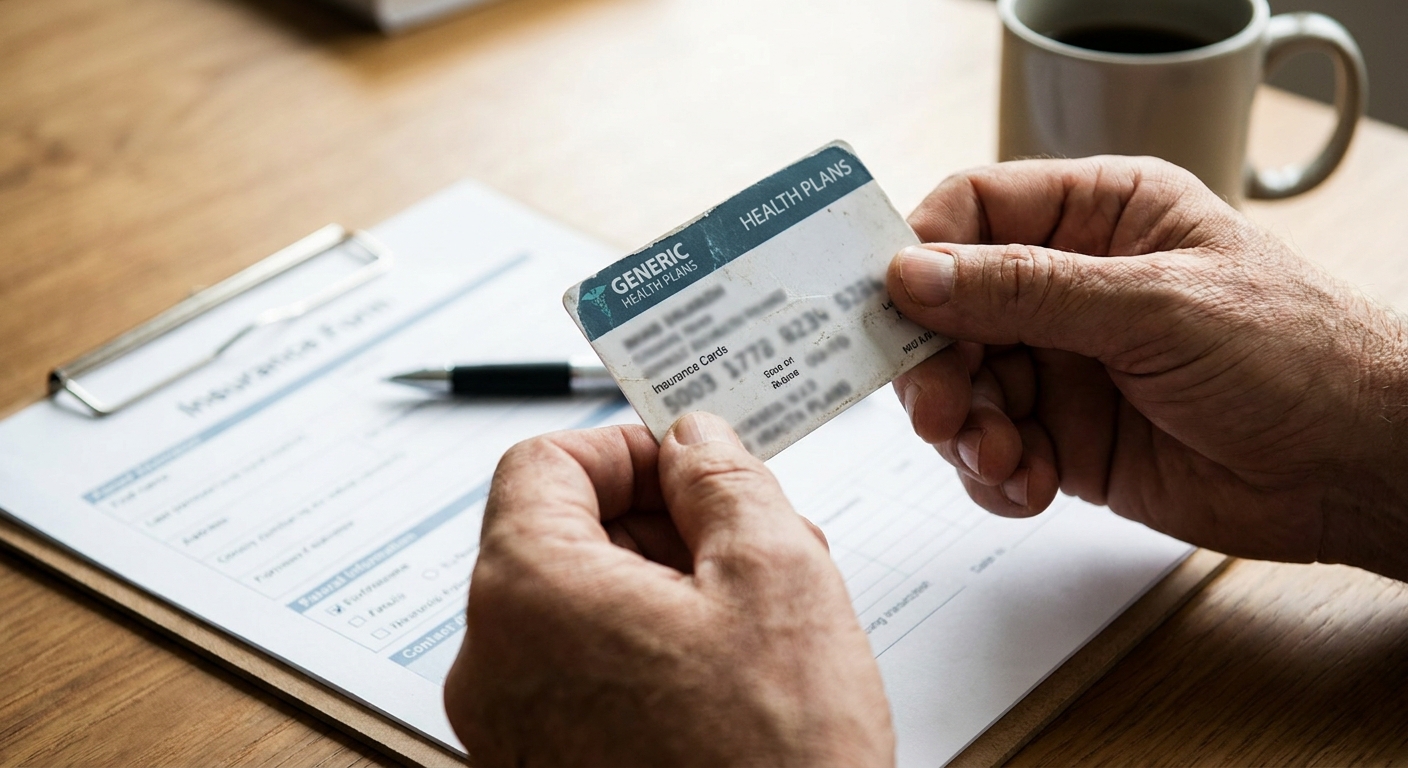
The realistic cost structure for outpatient Suboxone treatment in Lake Worth includes prescriber visit fees, the medication itself (generic buprenorphine-naloxone runs $50 to $150 per month; brand Suboxone can run higher without coverage), and therapy fees. For residential programs integrating MAT, costs vary significantly by facility type and duration. Commercial PPO insurance, which many men seeking private treatment carry, typically covers MAT under mental health and substance use disorder parity protections established by the Mental Health Parity and Addiction Equity Act of 2008. Under this federal law, insurers cannot impose more restrictive coverage limitations on substance use disorder treatment than they apply to medical or surgical care. Out-of-network benefits on a PPO plan often cover a substantial portion of residential treatment costs, though reimbursement rates vary by plan. The specific action to take this week: call the member services number on the back of your insurance card and ask specifically what your out-of-network behavioral health benefits cover for inpatient and outpatient substance use disorder treatment.
Who suboxone treatment in lake worth is right for
The clinical profile of the right candidate: a confirmed opioid use disorder diagnosis, genuine motivation to engage with a structured program including therapy, no current requirement for medical detox from multiple substances simultaneously, and sufficient stability to manage outpatient appointments or qualify for a residential program with MAT integration. If that describes you, Suboxone embedded in a quality program is among the most evidence-supported paths available.
Who should consider a different approach first
For men with severe poly-substance dependence involving alcohol or benzodiazepines alongside opioids, medical detox comes before Suboxone induction. Benzodiazepine and alcohol withdrawal carry seizure risk that requires medical management independent of opioid treatment. Men in an active mental health crisis, or those whose previous outpatient attempts have failed repeatedly due to environmental factors, need a higher level of care before medication management can hold. For those men, a full residential program with integrated psychiatric care is the right starting point. Finding a qualified Suboxone doctor in Palm Springs who can conduct that initial assessment is a practical first step toward getting that level of care matched correctly.
Final verdict: is suboxone treatment in lake worth worth it?
Suboxone is one of the most rigorously studied and evidence-supported tools in addiction medicine. The clinical data on overdose mortality reduction, retention rates, and craving suppression is not ambiguous. But the medication is only as good as the program delivering it.
What to look for in a Lake Worth provider: a requirement for behavioral health engagement, psychiatric oversight for co-occurring conditions, individualized treatment planning from day one, and a tapering approach driven by your clinical stability rather than a predetermined calendar. A program that treats Suboxone as a component of recovery rather than the entirety of it will produce measurably better outcomes than one that doesn’t.
The specific next step to take this week: call your insurance company, confirm your out-of-network behavioral health benefits, and contact a licensed Lake Worth or Palm Beach County provider who can conduct a full clinical assessment rather than just a prescribing consult. That assessment is where an honest decision about level of care, program structure, and medication approach gets made correctly.
Frequently asked questions
How long does suboxone treatment typically last in lake worth?
Clinical guidelines from the American Society of Addiction Medicine do not support arbitrary time limits. Most patients benefit from 12 to 24 months of stable maintenance before a medically supervised taper is appropriate. The right duration depends on your stability, psychosocial supports, and the absence of active cravings, not a fixed program calendar.
Can you start suboxone treatment the same day you call a lake worth provider?
Some outpatient providers in Lake Worth offer same-day induction appointments. However, you must be in mild-to-moderate withdrawal before the first dose can be administered safely. A residential program will conduct a full intake assessment first, which typically occurs on admission day. Either way, the process moves quickly once you make the call.
Does suboxone treatment work if i’ve relapsed before?
Yes. Relapse history does not disqualify you from Suboxone treatment. In fact, the clinical evidence suggests that men with prior treatment attempts often benefit most from MAT combined with a higher level of care, such as residential treatment. Prior relapse is information about what level of structure you need, not a judgment about whether treatment can work.
Will my employer or anyone else find out i’m on suboxone?
HIPAA protections apply to all substance use disorder treatment, and 42 CFR Part 2 provides additional federal confidentiality protections specifically for records from substance use disorder programs. Your treatment information cannot be shared without your written consent in most circumstances. Suboxone is a prescribed medication, and your prescription information is protected health information.
Is suboxone treatment available in a residential setting in palm beach county?
Yes. Residential programs in the Lake Worth and Palm Beach County area integrate MAT, including Suboxone, as part of individualized treatment plans. This is the appropriate setting for men with prior outpatient failures, unstable home environments, or co-occurring conditions requiring structured daily oversight alongside medication management.
Can suboxone be combined with treatment for depression or anxiety?
It can, and for most men with co-occurring conditions, it should be. Suboxone does not interact adversely with most antidepressants or non-benzodiazepine anxiety medications. The combination of stable opioid use disorder medication and appropriate psychiatric care for a co-occurring condition produces better outcomes than treating either in isolation. Make sure any program you consider has an active psychiatric component, not just a prescribing physician.