


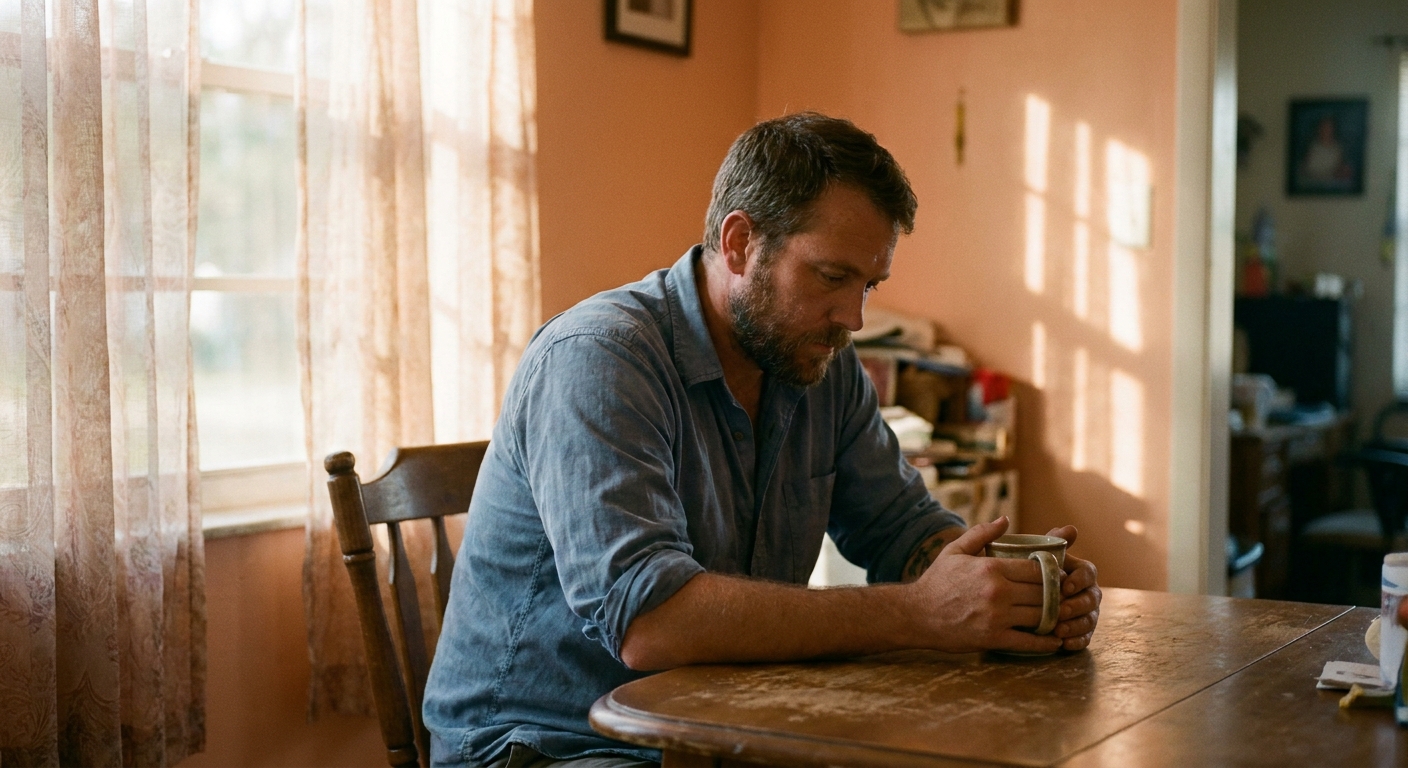
The current term for dual diagnosis is co-occurring disorders, and the two phrases mean the same thing: a substance use disorder and a mental health condition in the same person. If one treatment page used one label and the next page used the other, you may have started to wonder what the current term for dual diagnosis is, and whether your son has two separate problems. He does not. You are reading two names for one situation. It is a situation you may have watched build at home, where his drinking or drug use and his depression, anxiety, or trauma seem to pull on each other until it is hard to tell which one started it.
The label matters less than what happens next. At The Palms Recovery, a male-only adult program in Palm Springs, FL, a man with co-occurring disorders does not get one team for his substance use and a different office for his mental health. One team treats both, in one plan, starting with the first assessment. The belief behind that is simple: sobriety is a starting line, not a finish line. The first goal is working toward stability for your son. The broader goal is supporting him as he builds a steady life, as a son, a father, a provider, and a man his family may be able to rely on again.
What is the current term for dual diagnosis, and what does it mean?
Co-occurring disorders is the current term, and dual diagnosis is the older phrase for the same thing. Both describe a person who has a substance use disorder and at least one mental health condition at the same time.
MedlinePlus describes a person with dual diagnosis as someone who has both a mental disorder and an alcohol or drug problem, and it notes that these conditions often occur together. Over the years, researchers also noticed that “dual diagnosis” was being used for different pairs of conditions, which caused enough confusion to prompt a call for a standard definition. “Co-occurring disorders” says exactly what it means: two conditions occurring together. The Palms Recovery lists “co-occurring / dual diagnosis” as one service and uses both phrases on purpose, because families search with both terms and both should lead to the same program.
Here is a plain way to picture it. Imagine two extension cords that have been shoved in a drawer for years. When you pull one, the other comes with it, and every tug tightens the knot. Substance use and a mental health condition can work the same way. Alcohol may quiet anxiety for an evening, and then the anxiety may return harder the next morning. Depression may make getting high feel like the only relief available, and then the crash may deepen the depression. It is difficult to untie one cord and leave the other knotted, which is why the team works on both at once.
That is why treating only one condition may leave the other one active. A man can finish detox and still carry untreated depression that may pull him back toward using. A man can see a counselor for his anxiety while still drinking every night, and the drinking may undo some of that work. The Palms Recovery team describes what can happen when the mental health side gets missed: a man ends up trying to talk his way out of a chemical or physiological issue. If your son has said therapy “never worked,” this may be part of the reason. He may not have been treated for everything that was going on.
So what qualifies as co-occurring disorders? A diagnosed substance use disorder involving alcohol or drugs, plus a diagnosed mental health condition such as depression, an anxiety disorder, PTSD, bipolar disorder, or OCD. You do not need to know his diagnosis before you call. Sorting that out is the job of the assessment, not yours.
Which mental health conditions and substances most often occur together?
Depression, anxiety disorders, trauma and PTSD, bipolar disorder, and OCD are among the mental health conditions often seen alongside alcohol or drug use. Knowing the common pairings can help you put words to what you may have been watching at home.
Each pairing has its own pull. Here is what each one can look like from the outside, in plain language:
- Depression with alcohol or drug use: Alcohol and many drugs can feel like relief from heavy, flat days. Alcohol is a depressant, though, and the low that follows can worsen depression for some people, which can make the next drink feel more needed.
- Anxiety disorders with alcohol, benzodiazepines, or marijuana: These substances can calm racing thoughts for a while. As they wear off, anxiety may come back stronger. Stopping benzodiazepines suddenly can also be medically dangerous, so it calls for medical guidance.
- Trauma and PTSD with opioids or alcohol: Substances can numb memories, nightmares, and the feeling of always being on guard. Numbing can also keep the trauma from being worked through, so it may stay close to the surface.
- Bipolar disorder with stimulants such as cocaine or methamphetamine, or with alcohol: A man may use stimulants to chase energy during low periods or drink to come down from high ones. Substances can disrupt sleep and mood, which can make episodes harder to manage.
- OCD with alcohol or marijuana: Substances may briefly quiet intrusive thoughts. Once the effect fades, the thoughts and the urge to act on them can return with more force.
These five are common pairings, but they are not the only ones, and the assessment looks at whatever is actually present. On the substance side, The Palms Recovery treats alcohol, opioids, cocaine, crack, methamphetamine and other stimulants, benzodiazepines, marijuana, prescription drugs, inhalants, kratom, and polysubstance use, which means using more than one substance at a time. Many men who come in fit more than one of these descriptions. That is common, and it is what an integrated assessment is designed to sort through.
You may be wondering which came first in your son’s case. Sometimes anxiety or depression shows up years before the drinking. Sometimes drug use comes first and mental health symptoms develop alongside it. Often nobody can say for sure, and that is all right. The treatment does not depend on solving that puzzle. It depends on addressing both conditions as they are today, with a team that watches how each one affects the other.
What type of treatment is used for co-occurring disorders?
Integrated care is a widely used approach for co-occurring disorders: one team treats the substance use disorder and the mental health condition together, in the same plan, at the same time. At The Palms Recovery, that team includes medical, psychiatric, and therapy staff working from one shared picture of your son.
The sequence starts with safety. At intake, the team assesses what substances he has been using so he can be detoxed first if he needs it, because withdrawal is the primary condition to address before deeper work can begin. Therapy starts shortly after. From there, the medical and psychiatric team addresses co-occurring mental health challenges that may be contributing to the addiction.
You also deserve to know who is responsible for his care. The medical side is led by Jeffrey Bishop, MD, Medical Director. The clinical side is led by Lauren Tynes, LCSW, Clinical Director, and mental health care is led by Austin Pole, LMHC, Mental Health Director. The Palms Recovery is licensed by the Florida Department of Children and Families (license LIC-1045491), accredited by the Joint Commission and FARR, ASAM Level 2.1 certified, and LegitScript certified. These are markers you can check on your own when comparing Florida programs.
Here are the approaches the team uses together:
- Integrated team care: The therapist, group facilitator, case manager, and medical staff share what they see, so one plan covers both conditions.
- Cognitive Behavioral Therapy (CBT): Helps him spot the thought patterns that lead to using and to worsening mood, and practice new responses.
- Dialectical Behavior Therapy (DBT): Builds skills for handling intense emotions and distress without reaching for a substance.
- EMDR: A structured therapy used to help process traumatic memories, often part of care for men with trauma or PTSD.
- Motivational interviewing: A conversational approach the team uses to help guarded men open up about their experiences and traumas.
- Medication-assisted treatment (MAT): Medication used alongside therapy for certain substance use disorders, when the medical team decides it belongs in his plan.
- Individual and group therapy, plus 12-Step work: One-on-one sessions and groups, including dual-diagnosis groups tied to his vocational and education goals.
That last point is one way The Palms Recovery structures its program. Dual-diagnosis group sessions connect to the program’s vocational track, so the struggles a man faces while rebuilding his life become part of his therapy. Anxiety about a future job interview can be worked through in group. The frustration of studying for a GED can become a chance to practice handling stress without numbing it. The team calls this building the “muscle memory” of success: practicing sitting with a hard feeling while doing something productive, instead of running from it. The aim is for a man to leave with skills and preparation to support his recovery.
If your son has been through treatment before and says it did not help, the team does not argue with him. They take his experience seriously and look at what may not have been addressed. Their goal is to treat the whole person, including the conditions that may have been running in the background.
What levels of dual diagnosis care are offered in Palm Springs, FL?
The Palms Recovery offers three outpatient levels of care for men with co-occurring disorders: a Partial Hospitalization Program (PHP), an Intensive Outpatient Program (IOP), and an Outpatient Program (OP). Outpatient detox and MAT are available as supports, and the same team at the same facility stays with him as he steps down.
The program is based in Palm Springs, FL 33461, and serves adult men from Palm Springs and across South Florida. It is a male-only program for men 18 and older. Here is how each level of care usually fits:
| Level of care | What it looks like | Who it often fits |
|---|---|---|
| Partial Hospitalization Program (PHP) | The most structured outpatient level, with the most treatment hours each week | A man who has just finished detox, or whose mental health symptoms are still unsteady and who needs daily structure and close support |
| Intensive Outpatient Program (IOP) | Fewer weekly hours than PHP, with the same integrated care and room for more independence | A man stepping down from PHP who has shown stability, or whose needs fit this level from the start |
| Outpatient Program (OP) | The lightest level, with ongoing individual and group sessions | A man with steady coping skills, a safe home setting, and a need for continued support as daily life picks back up |
| Outpatient detox (support) | Medical oversight of withdrawal while he is not staying overnight at a facility | A man whose withdrawal the medical team judges safe to manage on an outpatient basis |
| MAT (support) | Medication used alongside therapy for certain substance use disorders | A man for whom the medical team recommends medication as part of his plan |
You will notice there are no hours in that chart. That is on purpose. The team sets his schedule at the assessment, based on his needs, rather than handing every man the same template.
Stepping down is based on readiness, not the calendar. Before recommending a move from PHP to IOP, the clinical team looks at his emotional stability, how fully he takes part in treatment, how well he manages triggers, and how consistently he uses the coping skills he has learned. One sign the team looks for is a man showing independence and accountability, meaning he takes responsibility for his choices and spots risks early. The team also weighs his relapse risk, any ongoing mental health needs, and whether he has a safe, supportive place to live. Stepping down does not mean treatment is finished. It means the team believes a different level of support fits his current needs.
Because The Palms Recovery keeps the same facility and team across these levels, your son does not have to start over with strangers each time he moves forward. The people who noticed how he handled a hard group session in PHP are still there in IOP. Different team members see different sides of him: a therapist may notice emotional struggles in a private session, a group facilitator may see him pull back in group, and a case manager may hear his worries about work or going home. Those small observations get shared, and they inform the next step.
How do I start treatment and what does insurance cover?
You start with one call to The Palms Recovery, followed by a confidential assessment and an insurance check before treatment begins. The Palms Recovery accepts Aetna, Allied Benefit Systems, Blue Cross Blue Shield, Cigna, Curative Health, Harvard Pilgrim, TRICARE, and UnitedHealthcare, and it does not accept Medicaid or Medicare.
Here is how the first steps usually go:
- Call The Palms Recovery at 844-80-PALMS. You can call for your son or with him. Tell the admissions team what you have been seeing. They explain the next steps on that first call, so you are not left guessing about what comes after.
- Complete the assessment. The team looks at both sides of the picture: what substances he uses and how much, and what mental health symptoms are present. This is where co-occurring disorders get identified.
- Verify his insurance. The team checks his plan’s benefits before treatment starts. Coverage depends on the plan, so verification is how you learn what applies to him. If his plan is not one listed above, ask the admissions team what options exist.
- Start detox first, if he needs it. If he is physically dependent on a substance, withdrawal is addressed before deeper therapy begins, under the medical team’s oversight.
- Begin therapy shortly after. Once he is medically stable, he moves into individual and group therapy, and the psychiatric side of his care begins alongside it.
- Expect the plan to change as the team learns more. His plan is not locked in on day one. It is adjusted as the team learns more about him.
That sixth step deserves a closer look. In one case the clinical team shared, with identifying details left out, one man came in appearing to need help mainly with substance use. During group sessions, staff noticed he was struggling with emotional regulation, low self-esteem, and stress, and that those struggles seemed to be affecting his recovery. The team met, reviewed his progress, and changed his plan to add coping skills, emotional awareness, relapse prevention, and healthy communication. This is one man’s experience and not a typical result. Every man is different, and his treatment should follow his actual needs, not just what showed up on paper at intake.
You also have a role here. The Palms Recovery offers Family Services because addiction affects the whole family. The team has found that when family or friends are involved early in detox or therapy, it can send him a clear message that you are there to support him. After years of carrying this weight, you are allowed to hand the clinical work to the team and step back into being his support, not his police officer.
Is dual diagnosis the same as co-occurring disorders, and what else do parents ask?
Yes, dual diagnosis and co-occurring disorders mean the same thing. If you are still asking what the current term for dual diagnosis is, the answer is co-occurring disorders, and dual diagnosis is the older phrase. Here are the other questions parents ask most often.
What qualifies as a dual diagnosis? A substance use disorder together with a mental health condition such as depression, anxiety, PTSD, bipolar disorder, or OCD. A clinician confirms both diagnoses during the assessment.
Can both conditions be treated at the same time? Yes. Integrated care means one team treats both together, since treating only one may leave the other active. At The Palms Recovery, the medical and psychiatric team works alongside his therapists from the start, so his mental health is not put on hold until after detox.
Does The Palms Recovery accept Medicaid or Medicare? No. The Palms Recovery accepts several commercial plans and TRICARE, and it verifies benefits before treatment begins so you know where you stand before he starts.
Does The Palms Recovery treat women? No. It is a male-only adult program serving Palm Springs, FL and South Florida. Men work alongside other men, in a setting where accountability and brotherhood are part of the daily structure.
If your son is living with both a substance use disorder and a mental health condition, call The Palms Recovery at 844-80-PALMS to start a confidential assessment and insurance check in Palm Springs, FL. One thing you can do before that call: write down two short lists. On the first, put every substance you know or suspect he uses. On the second, put every change you have noticed in his mood, sleep, or behavior, with a rough idea of when each one started. That simple timeline gives the assessment team a head start, and it gives you something concrete to hold onto while you take the first step.
Questions About Co-Occurring Disorders Are Welcome Here
Learning that the current term is “co-occurring disorders” can bring relief, but it may also leave you wondering what it means for someone you love who is struggling with both opioid use and their mental health. You do not have to sort through the terminology or the next steps alone. The team at The Palms Recovery in Palm Springs, FL is here to talk through your family’s situation, so when you’re ready, call the office and ask your questions.
Individual experiences and outcomes vary, and insurance coverage varies by plan and is confirmed only through benefit verification. If your loved one is in immediate danger, call 911 or the 988 Suicide and Crisis Lifeline.