

Where to Find Sober Living in Palm Springs That Supports Your Recovery
Picture the day your son finishes PHP at The Palms Recovery. His discharge planner asks where he plans to live, and he names a sober living house he found on Google. The planner pulls up the listing, scrolls for thirty seconds, and asks one question: “Who runs your case management there?” Your son goes quiet. The house has a website, a phone number, and fifteen beds. It has no clinical director, no tie to his IOP, and no one checking whether he is engaging in therapy. That silence is when this decision gets serious. If you are a parent searching for sober living in Palm Springs tonight, answer that question before anyone signs a lease.
You have already carried a lot to get here. Maybe you made the calls, drove him to intake, and lay awake waiting to hear he was safe. Now treatment is ending, and the next step is a house full of strangers. It makes sense to fear that this is where his progress could slip away. That fear is reasonable, and you can put it to work.
One thing to know up front: The Palms Recovery is a men-only treatment program in Palm Springs, FL, operating since 2016, and we provide the clinical care your son receives while he lives in sober housing. This guide is meant to help you tell a supportive house apart from one that is only a place to sleep.
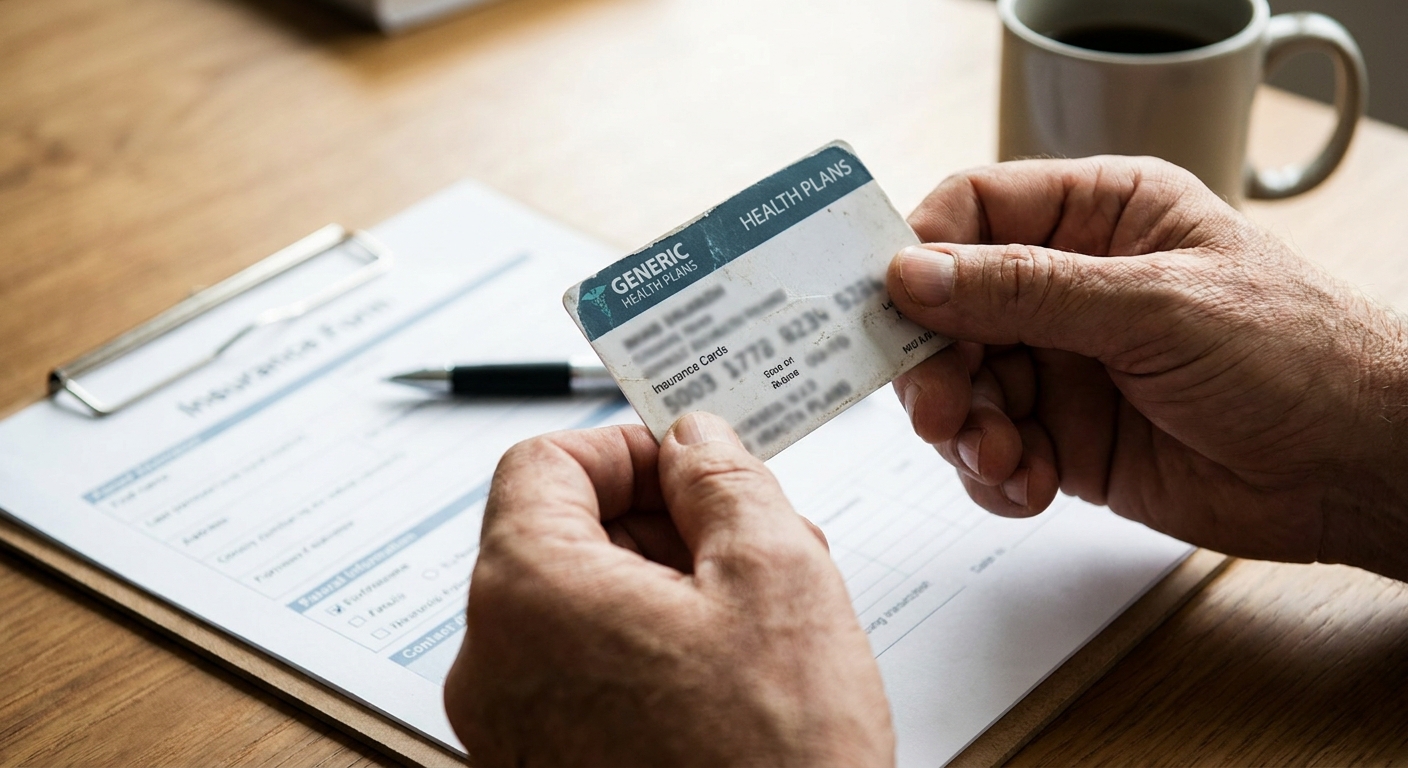
Most families also ask about money right away, so here is the plain answer. Insurance may pay for the clinical treatment your son gets while he lives in sober housing, such as his PHP, IOP, or OP sessions. It usually does not pay the rent at the house. The Palms Recovery accepts Aetna, Blue Cross Blue Shield, UnitedHealthcare, Cigna, Tricare, and Curative, and our admissions team can check his benefits for that clinical care with no obligation. With that settled, you can focus on finding the right house. Sobriety is the starting line, not the finish line, and where he lives in the next few months shapes what he builds on top of it.
Why Do Many Recovery Houses Offer Structure but Not Support?
Most sober living houses are peer-run homes built to enforce rules: curfews, chores, house meetings, and drug tests. That structure has real value. But most of these homes have no clinician on staff, no case manager, and no working link to your son’s therapist, so when he starts to slip, nobody with clinical training is watching.
A national framework helps explain the difference. The National Alliance for Recovery Residences describes four levels of recovery housing, ranging from Level I, a peer-run house with very little oversight, to Level IV, where housing sits inside a clinical service setting. Most houses you find in a quick search fall near the peer-run end. That does not make them bad houses. They are built to do one job, and that job is housing, not treatment.
Here is how the gap shows up in daily life. A curfew tells you where your son is at 11 p.m., but not how he is doing. A house manager may notice he sleeps until noon, skips dinner, and has stopped talking at house meetings. In a peer-run home, the manager may give a warning or ask him to leave. Neither one gets your son in front of someone trained to recognize that he may be drifting toward relapse.
A man can follow every house rule while his recovery quietly stalls. Structure without support can look like progress from the outside. SAMHSA describes recovery as resting on four dimensions: health, home, purpose, and community. A house can give your son a home, but if it is cut off from his treatment, the other three depend on his individual efforts and circumstances. You are too tired to keep hoping, and you should not have to.
What Should Clinical Support Look Like While Your Son Lives in Sober Housing?
Real support means the people treating your son and the people housing him are not strangers to each other. With his written consent, his therapist hears when he misses curfew, the house knows his IOP schedule, and someone with clinical training can act on early warning signs before they become a relapse.
Know the consent rules before you tour anywhere. Federal confidentiality rules for substance use treatment records, known as 42 CFR Part 2, generally require your son’s written permission before his treatment team can share information with a house manager or with you. A good house and a good program will both explain this up front and help him sign the right releases. If a house says it “just talks to everyone,” treat that as a warning sign, not a perk.
On the treatment side, The Palms Recovery keeps the same team with a man as he moves from PHP to IOP to OP. He does not change facilities or start over with new clinicians at each step. The therapist who notices he seems flat on a Tuesday afternoon already knows what he looked like at intake. That therapist works alongside our family services clinicians and our medical team, using evidence-based methods including CBT, DBT, EMDR, and individual and group therapy. For men with co-occurring depression, anxiety, or trauma, dual-diagnosis care continues throughout, so his mental health is not set aside while everyone watches his drug screens.
Accountability runs our way too. The Palms Recovery is licensed by the Florida Department of Children and Families for substance abuse treatment and accredited by the Joint Commission, and we receive regular compliance visits. When you ask a house to show you its credentials, you can expect the same transparency from us.
Now picture your son missing two IOP groups in one week. In a house with no clinical link, those absences may never reach anyone who can act on them. In his program at The Palms Recovery, missed groups lead to outreach and a fresh clinical look. If he needs more support, the team may consider moving him back up a level of care, such as from IOP to PHP, based on his individual clinical needs, instead of discharging him and leaving you scrambling. A slip is treated as clinical information, not proof he has failed. The level of care can change; the team stays the same.
This is also where you get support of your own. Addiction affects the whole family, and our family services give you room to step back from managing his recovery and pay attention to your own. You do not have to be his case manager from your kitchen table anymore.
What Should You Ask Before He Signs a Lease at Any Sober Living House?
Once you know what good support looks like, find out whether a house can deliver it. The answers to a few direct questions will tell you more than any photo on the website.
Bring this list to every phone call and every tour:
- Is the house certified through the Florida Association of Recovery Residences (FARR), and can I see the current certificate? FARR is Florida’s credentialing body for recovery residences, and Florida law generally limits licensed treatment providers to referring patients only to certified residences. Certification shows the house meets baseline safety and operating standards. It does not show whether the house offers clinical support, so keep asking.
- What happens if he relapses here? Listen for the full answer. If the only response is “he’s out,” your son could be on the street at the moment he is most at risk. A better answer covers safety first, a call to his treatment team, and a plan for what comes next.
- Do you allow medication-assisted treatment, and how are medications stored? If your son takes buprenorphine or naltrexone as prescribed, the house needs a clear policy that supports it, plus a secure way to store medication.
- How does the house work with his IOP schedule? Ask about transportation, whether curfew allows for evening groups, and whether the house manager will talk with his therapist once he signs a release.
- Who is on staff, and when? Ask who is in the house overnight, what training the manager has, and who responds after hours.
- What is the total cost, what does it include, and is there a deposit? Get it in writing, and ask what happens to the deposit if he has to leave.
Watch for one red flag in particular: any house that offers free rent, travel, or other perks if your son enrolls at a specific treatment program. Florida’s patient brokering law makes it a crime to pay or receive kickbacks for patient referrals. Free rent with strings attached is often a sign that someone is profiting from your son’s insurance rather than caring for him.
Will Insurance Pay for Sober Living in Palm Springs, FL?
That red flag leads straight to the money question. Insurance may pay for the treatment your son receives while he lives in sober housing, not for the rent. Coverage depends on his plan and on documented medical necessity for each level of care, so verify his benefits before move-in and get the answer in writing.
You may be wondering whether a program cares about your son or mostly cares about your benefits. That is a fair worry, and many families have been burned before. Here is exactly what The Palms Recovery does. Our admissions team checks his benefits for PHP, IOP, or OP before he starts, tells you what the plan reports, and makes no promises the plan has not made. We accept Aetna, Blue Cross Blue Shield, UnitedHealthcare, Cigna, Tricare, and Curative, and we also accept private pay. We do not accept Medicaid or Medicare.
“Medical necessity” is the term insurers use to decide whether they will pay for a level of care, and in practice it rests on documentation: a clinical assessment, a diagnosis, a treatment plan tailored to his unique needs, and progress notes showing why he still needs that level of support. When a man steps down from PHP to IOP while living in sober housing, his records need to explain why continued structured treatment makes clinical sense for him right now.
When you call to verify, ask about his deductible, his copay or coinsurance, whether prior authorization is required, and how many days or sessions the plan approves before it reviews again. Write down the date, the name of the person you spoke with, and the reference number. If someone tells you a sober living house “bills your insurance for the room,” ask exactly what is being billed and to whom.
Why Does It Matter How Close the House Is to His Treatment Program?
Even with coverage confirmed, location can quietly make or break the plan. Distance is a clinical issue, not just a convenience. Every extra mile between your son’s bed and his IOP group is another chance to miss a session, and missed sessions can be a sign that early recovery is losing momentum.
Many men coming out of treatment do not have a car or a valid license. Some lost them to a DUI, while others sold the car or let the insurance lapse while they were using. A house that looks great online can become a daily problem if it depends on two bus transfers or a roommate who may or may not show up. When getting to group feels hard, a man starts bargaining with himself. He tells himself one missed morning won’t matter, and then it happens again the next week.
The Palms Recovery is located in Palm Springs, FL 33461. When you compare houses, map the drive from each one to our program. Then ask a practical question: could he get to a morning group reliably even on a bad day? A short trip removes excuses and keeps him in the room with his group, which is where much of the real work happens.
Closeness also matters when something unexpected comes up. If his cravings spike, if lingering withdrawal symptoms flare, or if his medication needs adjusting, he can be seen quickly instead of waiting out a long weekend. Our Medical Director is board certified in both family medicine and addiction treatment and brings more than 40 years of experience, and the medical team includes Dr. Jeffrey Bishop, D.O. and Brianna Dustin, PA-C, who support men on medication-assisted treatment. Telehealth is available when it fits, but in early recovery, being close enough to walk in can be an advantage.
Sobriety Is the Starting Line: How Does The Palms Recovery Build a Life Around It?
Getting him to group is the foundation, but the goal is bigger than attendance. The months in sober living are when your son practices being the man he wants to be. That is why The Palms Recovery treats the whole person, mind and body, rather than only tracking clean tests. A sober man with no plan for Monday morning may still face challenges.
Alongside CBT, DBT, and EMDR, his treatment can include 12-Step work and holistic practices such as mindfulness and meditation. A man might spend the morning in group working through a trigger he hit over the weekend, then use a meditation practice that evening when the house gets loud and the old urges show up. Small, repeated experiences like these can help him build skills and routines.
Family repair belongs in this stage too. Our family services give you a place to heal alongside him while you learn where your role ends and his begins. When a man starts rebuilding trust with his parents while he still lives in a safe and structured environment, the effect can reach everyone at the dinner table.
Aftercare planning and relapse prevention start well before he leaves treatment, so the next step is mapped out before he needs it. Because we treat people struggling with alcohol, opioids, cocaine, methamphetamine and other stimulants, benzodiazepines, prescription drugs, marijuana, inhalants, and polysubstance use, that plan is built around the substance and the patterns he experienced. Recovery from addiction is possible for many people for many people, and his life after the house is what all of this is for.
Questions Families Ask About Sober Living in Palm Springs
What is FARR certification and why does it matter for sober living?
FARR, the Florida Association of Recovery Residences, certifies recovery residences that meet standards for safety, operations, and resident rights. Certification shows a house has passed a baseline review and receives compliance checks. It does not show whether the house works with his treatment team or responds well to a relapse, so treat FARR as the minimum standard and then ask the harder questions.
Can he take Suboxone or Vivitrol while living in sober housing?
Many houses allow prescribed medication-assisted treatment, but policies vary, so ask before he moves in. The Palms Recovery offers MAT, and our medical team can manage his prescriptions and adjust them as needed while he attends IOP or OP. The house still needs secure storage and a written policy that supports him.
What happens if he relapses while living in a sober house?
At many peer-run houses, a positive drug test means eviction, sometimes the same day, so ask every house for its written relapse policy. On the treatment side at The Palms Recovery, a relapse leads to a clinical reassessment and, when clinically appropriate for that individual, may lead to a move to a higher level of care with the same clinicians. It does not mean he is cut loose.
How do I know if insurance will cover his care while he is in sober living?
Call The Palms Recovery admissions team to verify his benefits for PHP, IOP, or OP. We accept Aetna, Blue Cross Blue Shield, UnitedHealthcare, Cigna, Tricare, and Curative. Coverage depends on his plan and on documented medical necessity. Rent at the house itself is usually paid out of pocket, so confirm every detail in writing.
How long should he stay in sober living after treatment?
Many families plan on at least 90 days. That lines up with research from NIDA showing that treatment lasting at least three months is associated with better outcomes for many people. The right length depends on him: whether he has finished IOP, how steady his job is, and how far family repair has come.
What is the difference between sober living and a halfway house in Florida?
People often use the terms interchangeably, but there is usually a difference. A halfway house is often tied to the justice system, may be court-ordered, and comes with legal conditions, while sober living is usually voluntary housing a man chooses for himself. In either setting, clinical support varies, so ask the same questions about staff, relapse policy, and coordination with his treatment.
Take the First Step Before Anyone Signs a Lease
Call The Palms Recovery at 844-80-PALMS to verify his insurance benefits for IOP or OP care and talk through what to look for in sober living in Palm Springs, FL with a compassionate, non-judgmental team that treats men in this transition. The call is confidential, there is no obligation, and our support is available 24/7.
Before you tour a single house, do one thing: call each place on your list and ask, “Who runs case management there, and will they talk to his therapist?” How a house answers will tell you more than the photos, the price, or the reviews. It is the same question that changed the conversation in that discharge planning office, and it is the first step in helping your son work toward reclaiming his life.
Ready to Learn More About Sober Living Options?
Finding the right environment after treatment can feel overwhelming, especially when you’re trying to balance structure with independence. Our team at The Palms Recovery in Palm Springs, FL understands what makes sober living truly supportive of long-term recovery. If you’d like to discuss how our approach might fit your situation, we’re here to answer your questions.
Individual experiences in treatment and recovery vary. Outcomes depend on each person’s unique circumstances, the nature of their substance use, co-occurring conditions, engagement in treatment, and many other factors. No treatment program can guarantee specific results.