


By the fourth website, the words stopped making sense. One treatment center said your son needs dual diagnosis care. The next called it co-occurring disorders. A third used both terms in the same paragraph, and half the search results were for a city with the same name nowhere near home, when all you wanted was help in Palm Springs, FL. So you typed the plain question into the search bar: what is dual diagnosis called now? The short answer is that most clinicians and federal health agencies now say “co-occurring disorders.” The longer answer matters far more to your son than the label does.
The name changed because the thinking changed. Your son’s drinking, pills, or cocaine use is not a separate problem from his anxiety, depression, or trauma, and the two are not waiting in line to be handled one at a time. They grew up together, and each one feeds the other. A program that understands this will assess both from the first conversation and treat both at once. A program that does not may address one while the other remains untreated.
You may be tired in a way that sleep does not fix. You may have heard “not yet” or “wrong program” before, and part of you expects to hear it again. You may also wonder whether the next place will see your son as a whole person or only as an insurance card. Those are fair fears, and this guide tries to answer them honestly. The Palms Recovery has been treating men in Palm Springs, FL since 2016. It is a male-only center, and co-occurring disorder care is built into treatment there, not bolted on. The center accepts Aetna, Blue Cross Blue Shield, Cigna, Tricare, UnitedHealthcare, Curative, and private pay. Below, you will find what the new language means, how integrated treatment works, and what a week of care can look like.
What Is Dual Diagnosis Called Now, and Why Did the Name Change?
Dual diagnosis is now usually called co-occurring disorders. The term means a person has a substance use disorder and at least one mental health condition at the same time. The newer term took hold because the two conditions develop together, shape each other, and may respond when they are treated together rather than one after the other.
You will still see both terms. Some health systems and government researchers keep the older wording. For example, a government research paper on mental ill health and substance misuse uses “dual diagnosis” in its title. The federal Substance Abuse and Mental Health Services Administration uses the newer phrase in its evidence-based practice materials, including its Integrated Treatment for Co-Occurring Disorders kit. Insurance paperwork may use either one. If your son’s records say “dual diagnosis” and a clinician says “co-occurring disorders,” they mean the same thing.
So what is dual diagnosis treatment, in plain terms? It is care that treats the substance use and the mental health condition at the same time, delivered by one team following one plan. The word “dual” quietly suggested two diagnoses with two separate fixes, often handled by two providers who rarely talked to each other. It also undercounted. Many men arrive with more than two conditions, such as polysubstance use along with trauma and depression. “Co-occurring” leaves room for that.
The change shows up most clearly at intake. At The Palms Recovery, assessment is shaped by a clinical team that includes Clinical Director Lauren Tynes, LCSW, and Mental Health Director Austin Pole, LMHC. Substance use patterns and mental health symptoms are looked at together from the first appointment, because one condition often hides or intensifies the other. Anxiety can look like a stimulant comedown. Depression can stay buried under nightly drinking until the drinking stops. Many men are skilled at saying “I’m fine.” A thorough assessment does not take that at face value. It means asking patient, honest questions, expecting a second condition may be there, and continuing to look until the picture is clear.
His Substance Use May Be the Answer He Found to a Problem No One Named
Now that the language is clear, it helps to see how these conditions actually show up in a real life. Co-occurring disorders usually look like a substance problem on the surface with a mental health condition underneath. Often the substance use began as a way to manage symptoms nobody had diagnosed, and then it grew into its own crisis.
Think about how it might have started for your son. A young man who could never focus in school finds that cocaine or another stimulant finally quiets the noise, and no one ever told him the noise might have a name. A man who went through something terrible finds that alcohol softens the flashbacks and lets him sleep, until he needs more every night just to feel normal. A man with crushing anxiety gets a benzodiazepine prescription that works a little too well. In each case the substance started as a tool. Over time the tool became the problem, and the original condition was never treated.
This pattern is well known. The National Institute on Drug Abuse explains that substance use disorders and other mental illnesses often occur together and share risk factors such as genetics, stress, and trauma. For you as a parent, this means the son you see right now may not be the whole story. Some of the anger, the isolation, and the missed workdays come from the substance. Some of it may come from a condition he has carried alone for years.
The Palms Recovery treats co-occurring mental health conditions alongside addiction to these substances:
- Alcohol, which many men use to quiet anxiety or numb trauma until drinking becomes its own disorder.
- Opioids, including heroin, where medically supervised detox and Medication Assisted Treatment may be part of care.
- Cocaine, methamphetamine, and other stimulants, which some men use without realizing they may be self-treating focus or mood problems.
- Benzodiazepines and other prescription drugs, often starting with a legitimate prescription for anxiety or sleep.
- Marijuana, which can mask depression or anxiety while in some cases making both harder to manage.
- MDMA and inhalants, which carry their own risks for mood and thinking.
- Polysubstance use, where a man is using more than one substance and the mental health picture is often more tangled.
Common co-occurring conditions families ask about include depression, anxiety, and trauma. Medication is part of care for some men. Under the oversight of Medical Director Jeffrey Bishop, MD, decisions about mental health medication are coordinated with addiction treatment. They are not made in a separate office by someone who does not know your son’s full history.
Why Can’t He Just Get Sober First and Deal With the Depression Later?
Many parents ask this question, and it comes from a good place: you want to handle the most dangerous problem first. The trouble is that the depression, anxiety, or trauma that may have contributed to substance use does not leave when the substance does. In early sobriety, untreated symptoms often come back louder, and they can become a force pulling a man back toward using.
The “one thing at a time” plan sounds reasonable. Handle the drinking, then look at the depression. In practice, the plan can break down. The substance was doing a job, even a destructive one. Take it away without treating what it was covering, and a man may be left alone with panic, flashbacks, or a heavy low mood and no new way to cope. He may sit through groups about cravings while nobody names the panic attack he had that morning. That is time spent in a building, not comprehensive treatment.
Integrated treatment works differently. One team builds one plan, tailored to his unique needs, that addresses both conditions in every part of care. His therapy targets the anxiety and the drinking together, because for him they are tied together. His relapse prevention plan includes the early warning signs of a depressive episode, not just a list of people and places to avoid. His medication is managed with his addiction treatment in mind. Learning to get through a panic attack without a drink becomes relapse prevention in its own right.
The outpatient setting adds something a locked-down setting cannot. Suppose your son has a panic attack at work on Thursday morning. In The Palms Recovery’s intensive outpatient program, he can bring that exact moment into group on Friday while it is still fresh: what he felt, what he wanted to reach for, and what he did instead. The trigger and the treatment happen in the same week, in his real life.
Medication follows the same unified logic. A man with opioid use disorder and depression might receive buprenorphine through Medication Assisted Treatment (MAT) and an antidepressant, if his prescriber decides both may be appropriate for his situation. Both are tracked in one care plan that the clinical and medical teams review together. The Palms Recovery is accredited by The Joint Commission, licensed by the state of Florida, LegitScript certified, and FARR accredited. Integrated care addresses one of the common reasons recovery can be challenging. Sobriety is the starting line, not the finish line, and a man may start stronger when the condition underneath is being treated too.
He Can Keep His Job and Still Get Integrated Care in Palm Springs, FL
Knowing why integrated care matters is one thing. Finding it close to home is another. The Palms Recovery treats co-occurring disorders through outpatient levels of care, including an intensive outpatient program, or IOP, in Palm Springs, FL 33461, serving men across South Florida.
That location matters more than it seems. Searches for “dual diagnosis treatment Palm Springs” often mix in listings from far away, and many of those results are programs that expect a man to relocate for weeks or months. For a South Florida family, that can mean plane tickets, a son far from home, and a job that may not be waiting when he returns. Treatment close to home lets you stay involved, lets him keep his routines, and lets the hard work happen in the same place he will have to live it.
IOP fits co-occurring disorders well for a simple reason. Your son attends structured treatment several days a week and then goes back to his life, where he tests what he learned the same day. When the anxiety shows up at his desk or the old craving hits on the drive home, he uses the skill, and the next session helps him sharpen it. Repeated week after week, that practice can help new coping skills become habits. You can read more about how our intensive outpatient program in Palm Springs is structured.
Continuity is the other half of the model. At The Palms Recovery, a man can move through levels of care without changing facilities or treatment teams. The therapist who learns his trauma history in week two can still be treating both his trauma and his substance use months later. Asking a man to retell his worst memories to a new person at each step is a heavy burden, and keeping one team removes it. Levels of care at The Palms Recovery include:
- Medically supervised detox, for a man who needs safe, monitored withdrawal management before therapy begins.
- Partial Hospitalization Program (PHP), the most structured outpatient level, with more hours of daily programming for a man who needs closer support at the start.
- Intensive Outpatient Program (IOP), with sessions several days a week scheduled to leave room for work and home life.
- Outpatient Program (OP), a lighter schedule that keeps him connected to his team as he takes on more responsibility.
- Mental health outpatient treatment, for continued care of the mental health condition as his recovery moves forward.
- Medication Assisted Treatment (MAT), available alongside these levels when his prescriber decides it may fit his care.
The work does not stop at symptoms. The Palms Recovery takes a whole-person approach that treats mind and body, with the goal of helping a man reclaim his life, not just stop using. Aftercare planning and relapse prevention help support that progress after formal treatment ends.
What Will Your Son’s Week Actually Look Like in Co-Occurring Disorder Treatment?
With the levels of care in mind, here is what the day-to-day can feel like. A week in IOP at The Palms Recovery combines individual and group therapy, focused work on his mental health condition, and medication oversight when he needs it. Sessions are scheduled around his work, so he practices new skills in his real life between appointments.
It begins with intake, where clinicians assess substance use and mental health together instead of handing him a single addiction checklist. From there, his week might look like this. On Tuesday, he works through a painful memory in an EMDR session. On Wednesday, a CBT session helps him catch the thought spiral that can turn ordinary stress into panic. On Thursday morning, in this example, a work deadline might set off a panic attack, and he could try working through it with what he practiced the day before. On Friday, he brings that moment into group, and other men share how they have handled similar situations. The evidence-based treatment he may receive includes:
- Cognitive Behavioral Therapy (CBT), which helps him spot and change the thought patterns that can feed both anxiety and cravings.
- Dialectical Behavior Therapy (DBT), which builds skills for intense emotions, distress, and impulsive urges.
- EMDR, a structured therapy for processing trauma so painful memories may carry less power.
- Individual therapy, where he works one-on-one with a clinician who knows his whole history.
- Group therapy, where men practice honesty and accountability with peers facing similar struggles.
- Medication Assisted Treatment (MAT), coordinated with any mental health medication under one plan.
- A 12-Step program, for men who want spiritual grounding and a lasting recovery community to support them as they recover.
- Holistic wellness practices, such as mindfulness and meditation, which can help him calm his body and mind without a substance.
- Family Services, which help parents and loved ones heal and learn how to support recovery without carrying it alone.
When one condition flares, the team responds as one unit. If his depression deepens, the clinical and medical staff review his plan together. That may mean more individual sessions, a medication review, or a temporary step up to more structured care with the same team. The goal is to catch problems early rather than wait for a crisis.
Because the facility is male-only, many men find it easier to drop the act. In a room of other men facing similar struggles, honesty can feel less risky. The facility itself was designed as a serene, retreat-like sanctuary rather than a clinical setting, a safe and structured environment where healing can happen. And because addiction affects the whole family, Family Services gives parents their own space to process what they have been carrying.
Will Insurance Help, and Can He Keep Working During Treatment?
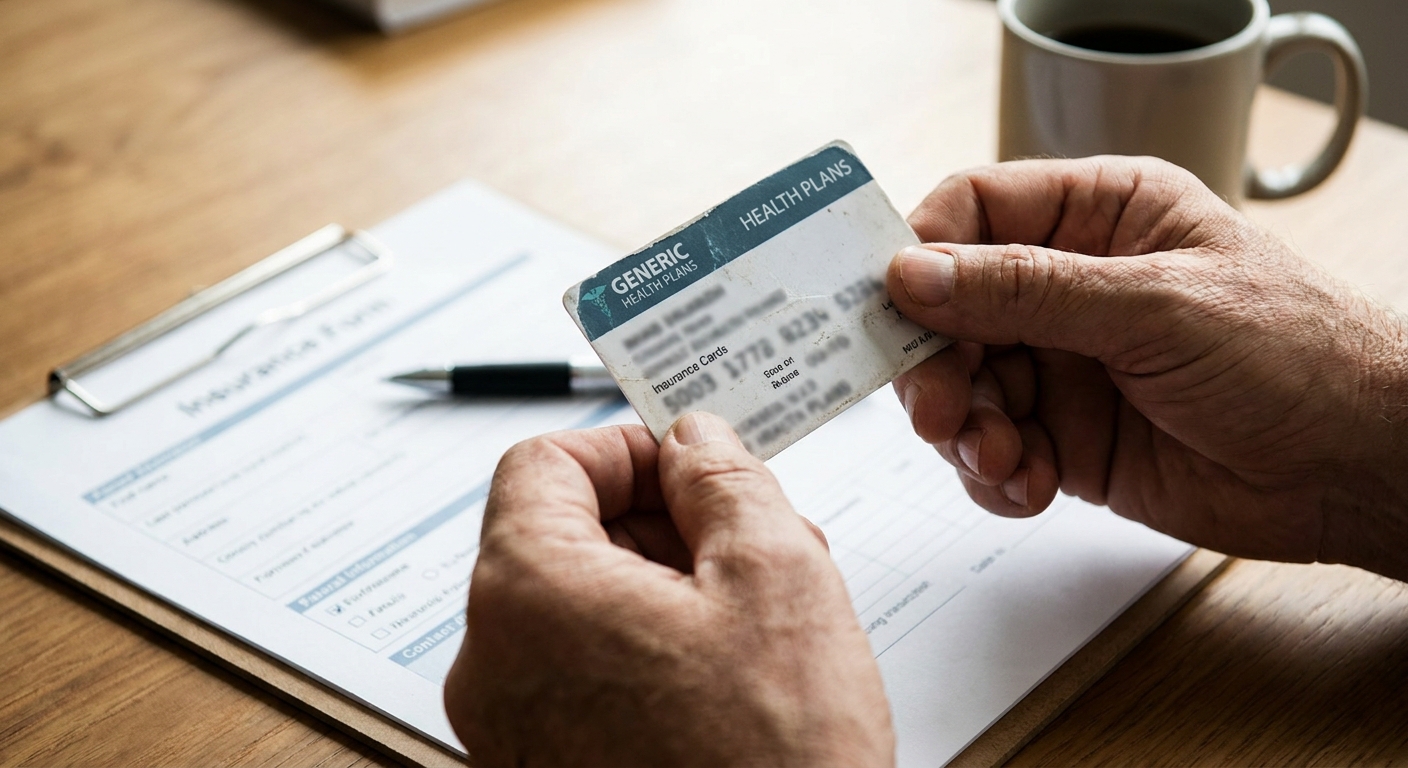
For many families, the next worry is practical. The Palms Recovery accepts Aetna, Blue Cross Blue Shield, Cigna, Tricare, UnitedHealthcare, Curative, and private pay. The admissions team can check your son’s specific benefits before he starts. IOP is also designed to leave room for work, so getting treatment does not automatically mean losing his paycheck.
It may feel like every call so far has ended with either a price you could not pay or an answer you did not want. That worry makes sense. Every plan is different, and what his plan pays for depends on its specific benefits, deductibles, and requirements. A benefits check gives you real information about your son’s actual plan before anyone asks you to commit to anything. That check comes with no obligation. Tricare acceptance also matters for military families, who often struggle to find outpatient programs that understand their situation.
Work matters too, especially for men supporting a household. A man who keeps his job keeps his income, his routine, and a piece of his identity that addiction has been wearing down. With IOP in Palm Springs, FL, he does not have to choose between treatment and the people who depend on him, and he does not have to fly across the country to get integrated care. He can sleep at home, show up for his family, and practice recovery where he actually lives. Telehealth is also available, which can help on weeks when getting to every session in person is hard. A man getting healthier can change the household around him.
Questions Parents Ask About Co-Occurring Disorders and Treatment
These are common questions families bring to a first conversation about co-occurring disorders, answered as directly as possible.
What is dual diagnosis called now?
Most clinicians and federal health agencies now use the term “co-occurring disorders.” You may still see “dual diagnosis” on insurance forms, older records, and some websites, and both terms describe the same thing.
Is dual diagnosis the same as co-occurring disorders?
Yes. Both terms describe a substance use disorder and a mental health condition present at the same time. “Co-occurring disorders” is the current preferred term because it reflects how the conditions develop and interact together.
Can you treat addiction and mental health at the same time?
Yes. Integrated treatment addresses both together, which may help keep untreated mental health symptoms from becoming a relapse trigger once the substance is out of his system.
How do you know if your son has a co-occurring disorder?
A licensed clinician conducts an assessment at intake that looks at both substance use patterns and mental health symptoms. One condition often hides or intensifies the other, so both have to be examined together.
Does insurance cover co-occurring disorder treatment?
It depends on your son’s specific plan. The Palms Recovery accepts Aetna, Blue Cross Blue Shield, Cigna, Tricare, UnitedHealthcare, Curative, and private pay, and the admissions team can verify his benefits before treatment begins.
Can he work while in treatment for co-occurring disorders?
In many cases, yes. An intensive outpatient program lets a man keep working, live at home, and attend therapy several times a week, so he can work through real-world triggers as they happen.
Where is The Palms Recovery located?
The Palms Recovery is in Palm Springs, FL 33461, and serves adult men across South Florida.
One Assessment Can Tell You What Your Son Is Really Fighting
After all the searching and all the confusing terms, the most useful next step is simpler than it seems: a clinical assessment that looks at substance use and mental health together. Knowing what your son is really fighting shapes every decision that follows.
Before you call, take ten quiet minutes and write down three things. First, when you think his substance use started. Second, what was happening in his life at that time, such as a loss, a breakup, a move, trouble at school, or something he never talked about. Third, anything you have noticed when he is not using, such as trouble sleeping, sudden panic, long low stretches, or racing focus. Those three notes give a clinician a head start on the condition that may be underneath, and they often reveal more than a dozen questions about how much he drinks.
When you are ready, Take the First Step. Call The Palms Recovery at 844-80-PALMS to talk through whether co-occurring disorders may be present and how an assessment works. The team can explain how the IOP program in Palm Springs, FL, treats both conditions at the same time while your son keeps working and living at home. The conversation is compassionate, non-judgmental, confidential, and comes with no obligation. Some families who see progress tell us it began when they stopped asking what the condition is called and started asking what is underneath it, though every recovery unfolds differently and no single approach guarantees a particular outcome.
Ready to Take the First Step Toward Integrated Care?
Understanding that mental health and substance use often intertwine is an important realization, and you don’t have to navigate co-occurring disorders alone. The Palms Recovery in Palm Springs, FL offers comprehensive treatment that addresses both conditions simultaneously, giving you the coordinated support you deserve. Our team is here to answer your questions and help you explore how integrated care can make a difference in your recovery journey.
- This article is for education only and does not replace advice from your son’s doctor or a licensed clinician.
- Individual experiences with treatment vary, and no program can guarantee specific outcomes.
- If he is in immediate danger, call 911 or go to the nearest emergency room.
- If he is thinking about suicide, call or text 988 to reach the Suicide & Crisis Lifeline.